The oil industry is navigating a period of strategic adaptation as energy markets evolve and stakeholders demand cleaner, more reliable supply chains. Companies that blend operational efficiency with environmental accountability are positioning themselves to remain competitive while responding to investor and regulatory pressure.
Shifting priorities: from volumes to value
Producers are rethinking traditional growth-by-volume models and focusing instead on value optimization. That means prioritizing high-margin basins, streamlining portfolios, and deploying capital where returns and resilience are strongest. Asset-level optimization and stricter discipline around project selection help free up cash for innovation and emissions-reduction measures.
Decarbonization pathways that make business sense
Decarbonization is no longer just a corporate narrative; it’s a practical agenda embedded in capital planning.
Operators are cutting emissions through a combination of approaches:
– Methane management: Leak detection and repair programs, electrification of pneumatic devices, and better fugitive emissions monitoring reduce greenhouse gas intensity and regulatory risk.
– Energy efficiency and electrification: Replacing diesel generators with grid or battery power at remote sites lowers fuel costs and reduces CO2 output from operations.
– Carbon capture and storage (CCS): Pairing large stationary emitters with CCS can materially lower net emissions, especially for refining and petrochemical hubs.
– Low-carbon products: Investments in lower-intensity fuels, feedstocks for chemicals, and blue hydrogen production create new revenue streams aligned with decarbonization goals.
Digitalization and analytics for smarter operations
Adoption of advanced analytics, predictive maintenance, and remote monitoring is transforming field operations. Digital twins and real-time data enable faster decision-making, reduce downtime, and improve safety performance. These tools also help quantify emissions sources more accurately, which is critical for tracking progress against reduction targets and complying with disclosure requirements.
Diversification into integrated energy services
Many oil companies are diversifying into adjacent energy segments to hedge demand risk.
Integrated portfolios that include renewables, energy storage, and hydrogen production can smooth earnings volatility and create synergies—such as using surplus renewable power to produce low-carbon hydrogen or to electrify operations.
Supply chain resilience and cost control
Supply chain optimization remains a top priority. Nearshoring key components, building strategic inventories, and using predictive sourcing tools reduce exposure to disruptions.
Cost control initiatives focus on standardizing procurement, digital contracting, and partnering with suppliers on efficiency gains that lower total lifecycle costs.
Regulatory and investor dynamics
Regulators and investors are increasingly focused on transparency, emissions reporting, and alignment with climate frameworks. Companies that publish clear metrics, set credible reduction pathways, and demonstrate progress through verified data tend to attract more favorable financing terms and broader investor support.
Key actions for stakeholders
– Operators: Accelerate methane detection, electrify site power where feasible, and prioritize high-return projects that align with emissions goals.
– Investors: Look for clear emissions metrics, credible transition plans, and diversified revenue models that mitigate demand-side risks.
– Policymakers: Encourage predictable policy frameworks that reward emissions reductions and support infrastructure for CCS and hydrogen.
Outlook
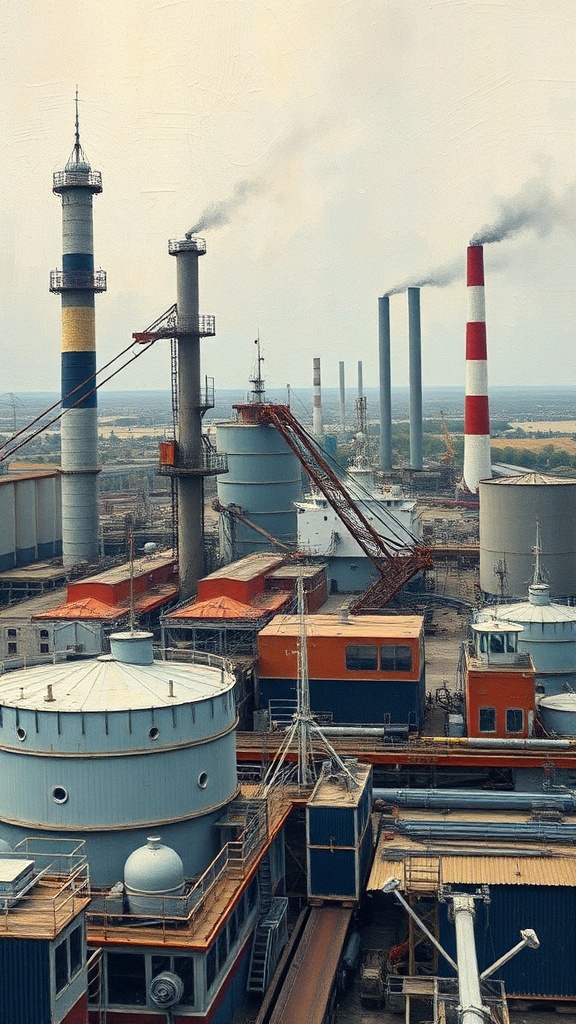
The oil industry’s near-term challenge is balancing reliable energy supply with a credible transition agenda. Companies that invest in emissions management, digital transformation, and portfolio resilience can lower operational risk and unlock long-term value. Strategic, measurable steps—rather than headline commitments—are what will determine competitive advantage as markets and policy landscapes evolve.