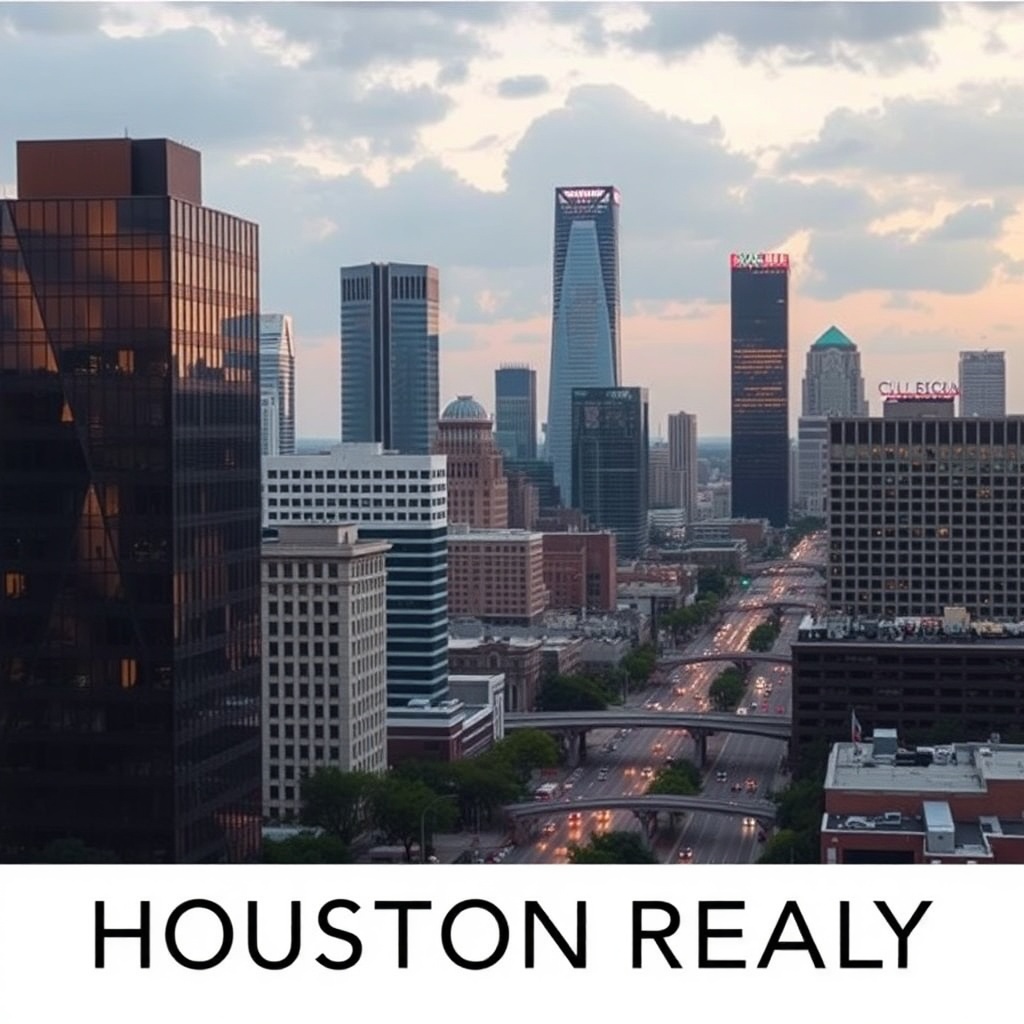
Houston real estate remains one of the most dynamic markets in the country, shaped by energy, healthcare, and a diversifying economy. Whether you’re a first-time buyer, an investor chasing rental yield, or a homeowner considering a move, understanding local drivers and practical considerations will set you up for smarter decisions.
What’s shaping the market
– Economic anchors: Major employers in oil and gas, medical research, aerospace, and tech create steady demand for housing across price ranges.
Corporate relocations and expansions often lift neighborhoods near employment hubs.
– Urban infill and conversions: Downtown and inner-loop areas are seeing continued interest in walkable living, with conversions of offices and older buildings into apartments and condos appealing to those who want city amenities.
– Suburban expansion: Suburbs around Houston continue to attract families seeking larger yards, newer schools, and comparatively lower price per square foot. Commuter-friendly corridors and new commercial nodes support this growth.
Neighborhood highlights
– Central neighborhoods like River Oaks, Museum District, and The Heights offer established tree-lined streets, cultural amenities, and higher price points with strong resale value.
– Emerging pockets, including pockets of gentrifying inner neighborhoods, present opportunities for appreciation as retail and dining scenes grow.
– Suburban communities such as Katy, Sugar Land, Pearland, and parts of northwest and west Harris County provide newer construction, master-planned communities, and strong school options.
Flood and foundation risk: non-negotiable checks
Houston’s geography and weather patterns make flood risk an essential part of any transaction.
Obtain an elevation certificate and review floodplain maps as part of due diligence. Even properties outside mapped flood zones can experience surface drainage issues after heavy rains, so look at recent water events and speak with neighbors.
Foundation concerns are common in areas with expansive clay soils. Older homes may have pier-and-beam foundations; newer builds often use slabs with engineered solutions. Always order a thorough inspection focused on drainage, grading, and foundation integrity.
Insurance, taxes, and financing
– Flood insurance: Standard homeowners policies don’t cover flood damage. Verify flood insurance availability and premiums early—this can affect affordability and mortgage approval.
– Property taxes: Texas relies heavily on local property taxes. Check current tax rates for the county and city, and ask about homestead exemptions that can lower annual taxes for primary residences.
– Financing: Competitive lending options exist, including conventional and government-backed loans. Because appraisal gaps can occur in hot pockets, buyers should budget for inspections and contingencies.
Investment considerations
Rental demand is strong near major employment centers and universities.
Multi-family and single-family rentals both perform well, but factor in operating expenses: property management, maintenance (especially for climate-related wear), and insurance. Short-term rental rules vary by jurisdiction and can change—verify local regulations and HOA restrictions before converting a property for short-term use.
Smart strategies for buyers and sellers
– Buyers: Prioritize inspections, verify flood elevation, and work with a local agent who knows micro-markets and resale history. Consider long-term total cost of ownership, not just purchase price.
– Sellers: Improve curb appeal, address visible drainage and foundation issues, and stage to highlight functional outdoor spaces—Houston buyers value usable yards and shade trees.
– Investors: Focus on neighborhoods with steady rental demand, strong schools, and access to transit or major employment corridors to minimize vacancy.
Houston offers a wide range of housing options and resilient demand drivers.
With thoughtful due diligence around flood risk, foundation health, taxes, and local rules, buyers and investors can find opportunity in both established neighborhoods and growth corridors. Work with experienced local professionals to navigate the city’s unique considerations and to capture the best opportunities available.