Houston is a city of contrasts — sprawling neighborhoods, dense business districts, and stretches of bayou and parkland that shape daily life.
As the region faces more intense storms, hotter summers, and ongoing development, residents and planners are focusing on resilience: how to reduce flood risk, cool neighborhoods, and keep essential services running when weather events strike.
Green infrastructure has become central to Houston’s approach.
Projects that restore wetlands, expand urban parks, and retrofit streets with rain gardens and permeable pavements slow stormwater runoff, reduce pressure on drainage systems, and provide recreational space.
Signature corridors like Buffalo Bayou demonstrate how multiuse green space can combine flood protection, habitat restoration, and public access — and smaller neighborhood-scale interventions multiply those benefits across the city.
Heat mitigation is another priority. Urban tree canopy and reflective or green roofing lower temperatures at the street level, reduce energy demand, and improve public health during heat waves.
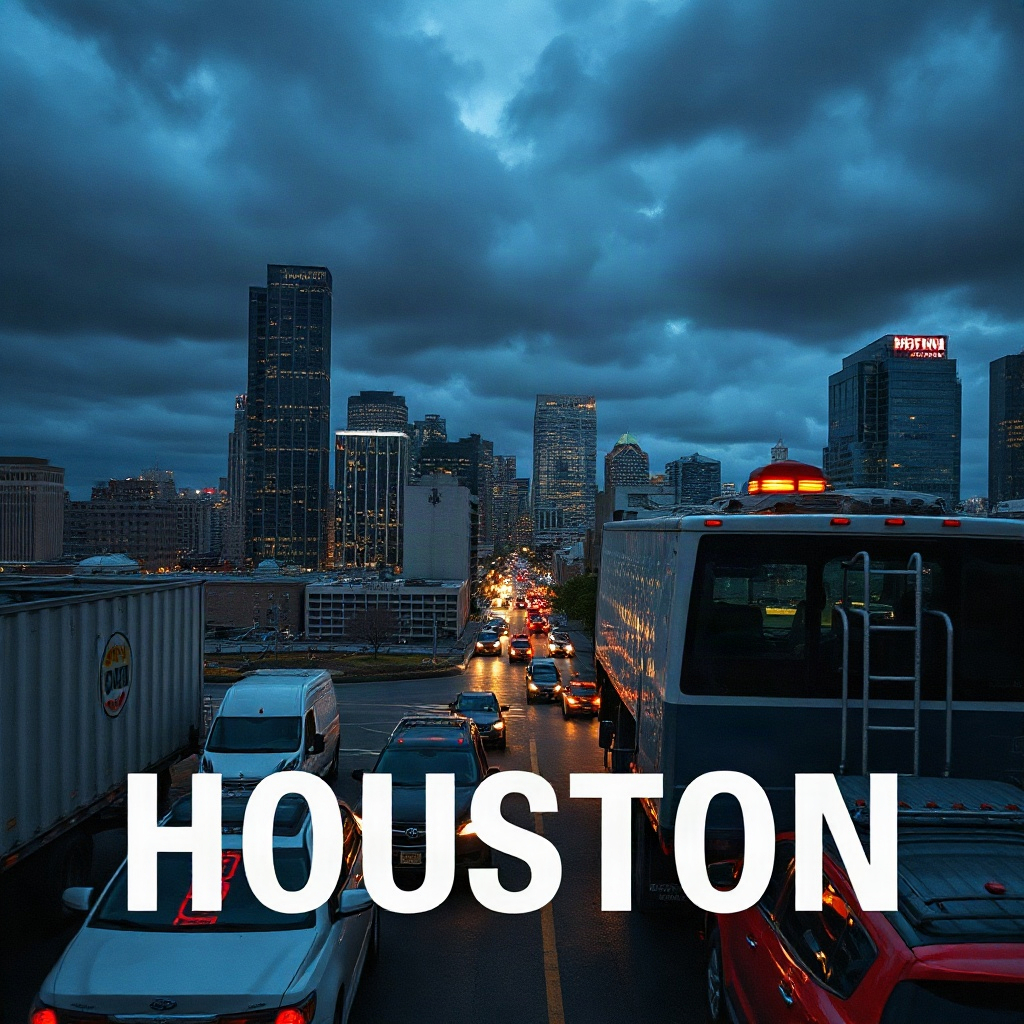
Community-driven tree planting programs and incentives for cool roofs can help older neighborhoods that lack canopy cover catch up. Landscape choices also matter: native and drought-tolerant plants require less water and support local biodiversity.
Practical steps homeowners and renters can take to lower risk and increase comfort:
– Know your property’s flood risk: consult local floodplain maps and elevation data, and consider a professional assessment before making major investments.
– Protect utilities: elevate HVAC units, electric panels, and major appliances above expected flood levels; install backflow and sump pump systems where appropriate.
– Landscape for resilience: use native plants, install rain barrels or cisterns for nonpotable water use, and create permeable driveways or rain gardens to reduce runoff.
– Invest in cooling: add shade with trees or pergolas, use reflective roofing or interior shades, and upgrade insulation to lower cooling costs.
– Prepare a plan: assemble emergency kits, document valuables, maintain important contacts, and know evacuation routes and local shelter locations.
Community-scale actions amplify individual choices. Neighborhood associations, business improvement districts, and faith-based groups can coordinate on block-scale drainage projects, community cooling centers, and bulk tree-planting events. Public-private partnerships often unlock funding for larger retrofits, while advocacy helps prioritize resilience in planning and permitting.
Transportation and energy resilience also matter. Improving transit corridors and adding micro-mobility options reduces reliance on long car commutes and helps keep people moving during disruptions.
On the energy side, supporting distributed energy resources — like community solar and resilience hubs with backup power — can keep critical services online when the grid is strained.
Funding and technical support are increasingly available through municipal programs, regional planning bodies, and community development organizations. Residents should explore local grant programs, utility rebates, and nonprofit initiatives that reduce the cost of resilience upgrades.
Houston’s landscape and culture make resilience a community effort: the city’s bayous and neighborhoods are both a challenge and an asset. Thoughtful investments in green infrastructure, cooling strategies, and community preparedness create multiple payoffs — safer homes, healthier streets, and more livable neighborhoods. Small actions by residents add up, and coordinated efforts between communities, planners, and utilities turn individual resilience into citywide strength.