Houston is reshaping how a sprawling, water-rich city lives with and around its bayous. With flooding and heat as perennial challenges, green stormwater infrastructure (GSI) and neighborhood-led resilience efforts are turning streets, parks, and yards into productive, climate-smart places that reduce risk and boost quality of life.
Why green infrastructure matters in Houston
Houston’s network of bayous and flat coastal plain mean heavy rains can overwhelm traditional gray infrastructure like pipes and curbs. Green solutions—rain gardens, bioswales, permeable pavement, urban trees, and restored wetlands—slow and absorb runoff at the source. That reduces street flooding, eases pressure on drainage systems, cools neighborhoods, and supports urban biodiversity.
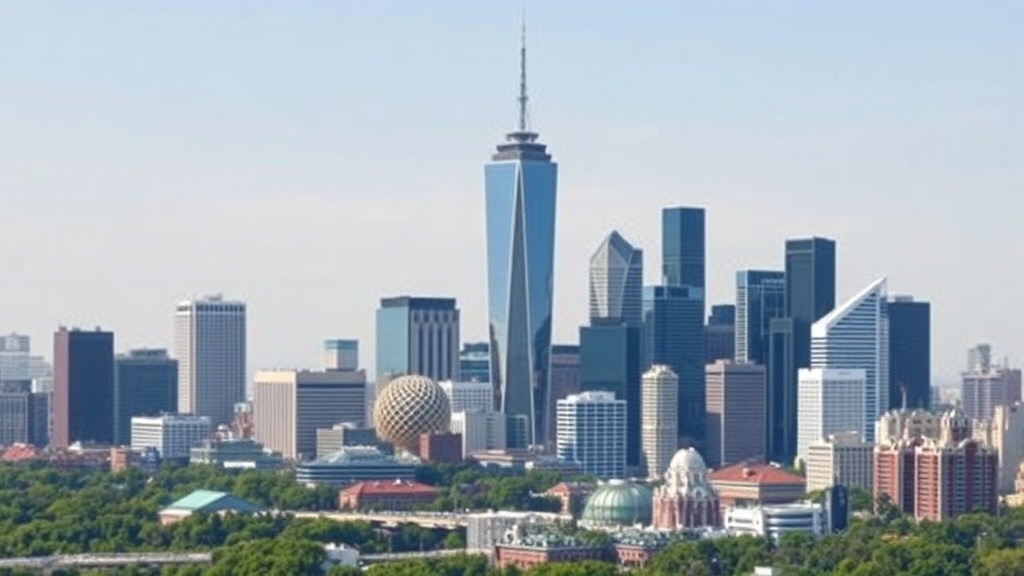
Where you’ll see it working
Linear parks along bayous, pocket parks built in dense neighborhoods, and retrofits to medians and parking lots are increasing. Large rehabilitation projects along major waterways have combined recreational trails with floodplain restoration, creating continuous green corridors that double as stormwater management. Community groups and local agencies often partner to turn vacant lots into rain gardens and native plant nurseries, making resilience visible and accessible.
Practical steps homeowners and renters can take
– Capture roof runoff: A rain barrel or cistern can store water for landscape use and reduce peak runoff. Even small barrels connected to downspouts make a difference.
– Soften hard surfaces: Replace portions of driveway or walkway with permeable pavers or gravel to let water infiltrate.
– Plant for resilience: Choose native and drought-tolerant plants that handle wet-dry cycles—these add curb appeal while improving infiltration.
– Add a rain garden: Install a shallow, planted basin where runoff naturally flows; it filters water and encourages infiltration.
– Maintain drainage: Keep gutters, downspouts, and street-facing swales clear. Simple maintenance prevents minor issues from becoming major problems.
– Advocate locally: Ask neighborhood associations and elected officials for street tree planting, green medians, or bioswale retrofits near schools and business districts.
Community and economic benefits
Beyond reducing flood risk, green infrastructure creates jobs in landscaping, nursery operations, and park maintenance. It cools the urban environment, lowering air conditioning use and improving comfort during hot periods.
Green corridors also increase walking and biking options, supporting local businesses and connecting neighborhoods to major parks and transit nodes.
How to get involved and find support
Local public works departments, county flood control districts, and parks organizations often offer design guidance, workshops, and sometimes rebates or fee credits for approved GSI installations. Community nonprofits frequently host volunteer planting days, native plant sales, and educational events. Joining a neighborhood association or a volunteer stewardship group is an effective route to influence local projects and access shared resources.
Design with nature, plan for people
Successful green infrastructure balances engineering and ecology. Well-designed projects manage water while creating attractive public spaces that strengthen social ties.
For property owners and city leaders alike, prioritizing multifunctional landscapes—ones that manage stormwater, reduce heat, support wildlife, and invite community use—yields the most resilient and cost-effective outcomes.
Whether you’re improving your yard, supporting a park retrofit, or advocating for policy change, participating in Houston’s green infrastructure movement helps build neighborhoods that are safer, cooler, and more vibrant.