The oil industry is navigating a pivotal shift: meeting continuing demand for liquid fuels while responding to tightening emissions expectations from regulators, investors, and customers. Energy companies that balance operational efficiency with credible decarbonization strategies are best positioned to protect cash flow, manage risk, and access capital as markets evolve.
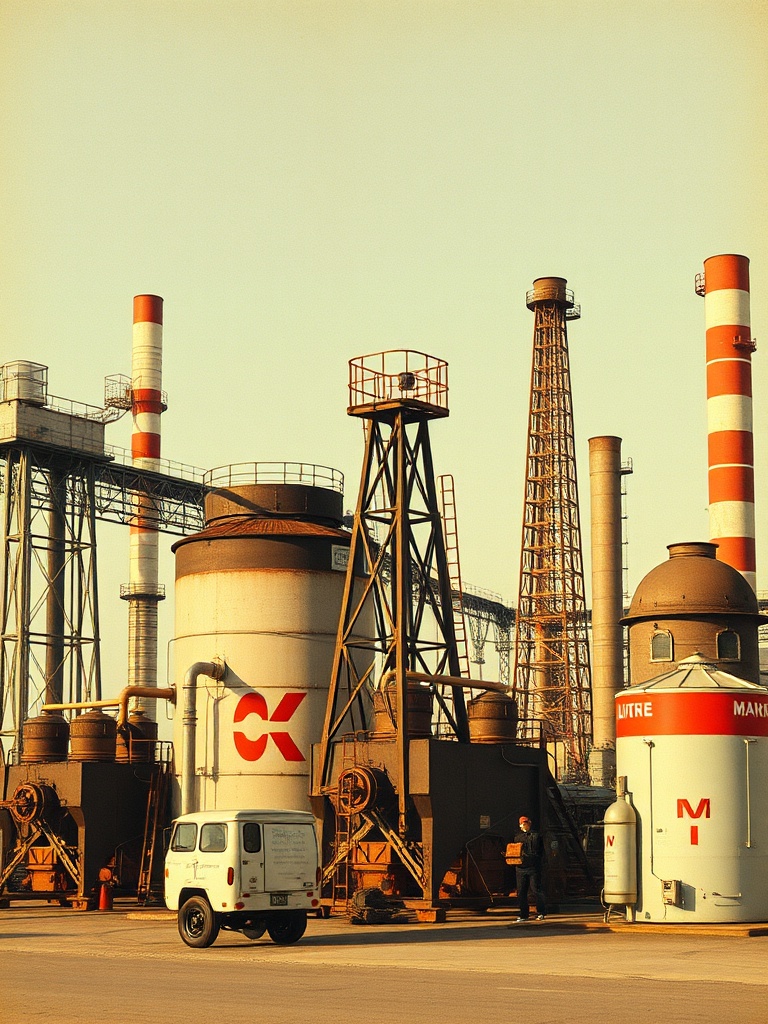
Key strategies oil companies are deploying
– Methane emissions reduction: Methane is a potent greenhouse gas and a focus for regulators and investors.
Companies are prioritizing leak detection and repair programs, replacing high-emitting equipment, and improving venting and flaring practices.
Enhanced monitoring—using ground sensors, aircraft surveys, and satellite data—helps operators pinpoint fugitive emissions and measure progress more reliably.
– Carbon capture, utilization, and storage (CCUS): CCUS projects capture CO2 from industrial operations or directly from the air and either store it underground or use it in industrial processes. For oil companies, CCUS can reduce the carbon intensity of producing and refining hydrocarbons and create new revenue streams by offering capture services to hard-to-abate sectors.
– Low-carbon fuels: Investment in lower-carbon products—such as renewable diesel, sustainable aviation fuel (SAF), advanced biofuels, and hydrogen—allows oil companies to maintain market relevance as fuel demand shifts. Blending low-carbon components into traditional fuel supply chains can reduce lifecycle emissions and meet evolving fuel standards.
– Operational efficiency and digitalization: Applying digital tools to optimize drilling, production, logistics, and refining reduces emissions by cutting waste and improving energy efficiency. Data-driven maintenance reduces downtime and prevents equipment-related emissions, while smarter logistics reduce flaring and transport-related fuel use.
Drivers shaping industry choices
Regulatory pressures, shareholder expectations, and customer demand are converging to require more transparent emissions reporting and stronger action. Environmental, social, and governance (ESG) metrics increasingly influence capital allocation, underwriting decisions, and corporate valuations. At the same time, demand for reliable energy—particularly in emerging markets and heavy transportation sectors—means oil and gas will remain part of the global energy mix for the foreseeable future.
Challenges and trade-offs
Transition strategies can be capital-intensive and carry technology and deployment risks. CCUS projects require suitable geology and long-term liability frameworks.
Scaling low-carbon fuels depends on feedstock availability and policy incentives. Methane abatement programs can deliver rapid emissions reductions, but require consistent measurement and enforcement to be effective.
Balancing near-term cash flow from traditional operations with longer-term decarbonization investments requires disciplined capital allocation and transparent communication with stakeholders.
What success looks like
Successful operators adopt an integrated approach: measure first, then prioritize actions that deliver the largest emissions reductions per dollar spent. Transparent reporting that follows recognized frameworks builds credibility with regulators and investors. Partnerships across industry, government, and academia accelerate cost reductions and technology deployment. Equally important is workforce planning—retraining existing staff and attracting new skill sets to operate emerging technologies.
Opportunities ahead
Companies that demonstrate verifiable reductions in the carbon intensity of their operations and products can unlock new markets and financing, benefit from favorable contract terms, and improve their license to operate.
For countries and communities reliant on the oil sector, transition investments present opportunities for job creation in low-carbon projects and infrastructure.
The oil industry’s path forward is not one-size-fits-all. Combining emissions reduction, responsible production practices, and targeted investments in low-carbon solutions provides a practical roadmap to remain competitive while responding to evolving environmental and market expectations.