Houston’s urban landscape is changing in ways that make the city more livable, walkable, and resilient.
From revitalized bayous and sprawling parks to a food scene that celebrates global flavors, there’s plenty to explore beyond the skyline.
Green corridors and bayou resiliency
Houston’s network of bayous is becoming the backbone of urban green infrastructure. Continuous trails along Buffalo Bayou and connecting greenways invite long walks, kayaking, and cycling while also serving flood mitigation and water-quality functions.
These corridors prioritize native plantings and tree canopy expansion to cool neighborhoods and reduce stormwater runoff, making green space a practical part of resilience planning.
Parks that double as community hubs
Parks across the city offer a mix of organized activity and quiet nature. Large greenspaces host mountain-biking trails, dog parks, and running loops, while smaller pocket parks provide places for lunchtime breaks and neighborhood gatherings. Community stewardship programs encourage local volunteers to maintain trails, plant pollinator gardens, and lead educational events, keeping parks vibrant and well-used.
Active transportation and connectivity
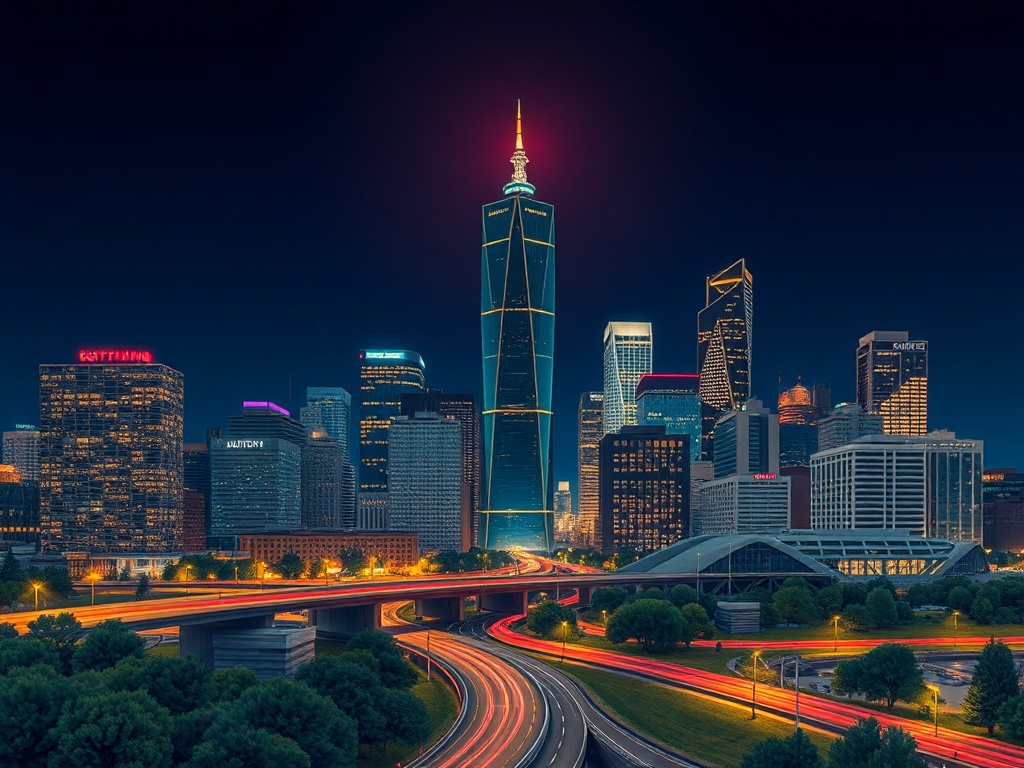
Expanded trail systems and protected bike lanes are changing how people get around. Bike-share stations and improved pedestrian crossings make short trips more feasible without a car. For longer commutes, light rail and transit corridors are gradually linking employment centers with arts districts and residential neighborhoods, supporting a shift toward more multimodal travel.
Neighborhood culture and walkable districts
Neighborhoods like Montrose, The Heights, and EaDo showcase Houston’s neighborhood-level diversity. Independent boutiques, art galleries, and a range of dining options line tree-shaded streets, making them great areas for walking and discovery.
Adaptive reuse projects—turning warehouses into creative workspaces and eateries—preserve character while supporting small businesses.
Food and drink to explore
Houston’s culinary scene reflects the city’s diversity, with acclaimed barbecue, Tex-Mex, Vietnamese phó, Nigerian pepper soups, and Cuban bakeries often found within blocks of each other. Food halls and markets offer a low-risk way to sample multiple cuisines in one visit. For a more immersive experience, neighborhood restaurants and family-run spots typically reward repeat visits with authentic flavors and community warmth.
Culture, arts, and live music
Cultural institutions and creative pockets thrive alongside public art projects and outdoor performance spaces. Museums anchor cultural tourism, but it’s the smaller galleries, live-music venues, and pop-up performances that keep the cultural calendar bustling. Outdoor festivals and night markets provide accessible ways to engage with artists and makers across the city.
Practical tips for visitors and locals
– Plan outings around weather and trail conditions; bayou trails can be closed after heavy rains.
– Use multimodal options—bike, transit, and rideshares—to avoid parking headaches in busy districts.
– Support local businesses by visiting neighborhood shops and restaurants during off-peak hours.
– Check community calendars for volunteer opportunities or guided nature walks to learn more about local ecology.
Why it matters
As urban priorities shift toward resilience, sustainability, and placemaking, Houston’s public spaces are becoming key assets for quality of life. Greenways not only offer recreation but also tackle environmental challenges. Walkable neighborhoods and vibrant local businesses strengthen social connections, creating healthier, more adaptable communities.
Whether seeking outdoor adventure along a bayou trail, a culinary tour across neighborhoods, or a cultural afternoon in a museum district, Houston offers layers of experience that reward exploration and curiosity.