Houston real estate continues to attract attention for its affordability, job diversity, and vast choice of neighborhoods. Whether you’re a first-time buyer, investor, or seller, understanding the unique factors that shape the Houston housing market will help you make smarter decisions and protect your investment.
Why Houston stands out
Houston’s housing market is driven by multiple employment anchors—energy, healthcare, ports, and a growing technology sector—creating steady demand for housing across price points. The city’s lack of traditional zoning and relatively available land mean a wide variety of product types: single-family homes with yards, townhomes, high-rise condos, mixed-use projects, and new construction suburbs. This diversity makes it easier to find a property that matches lifestyle priorities, whether that’s walkability, lot size, school district, or proximity to job centers.
Key considerations for buyers
– Flood risk: Houston’s geography requires careful due diligence.
Check FEMA flood maps, request elevation certificates for older homes, and consider a private flood elevation survey if needed. Even if a mortgage lender doesn’t require flood insurance, buying a policy can protect you against costly losses.
– Property taxes and exemptions: Property tax rates are set by local taxing entities, not by the city, and can significantly affect monthly carrying costs. Investigate available exemptions—such as homestead and over-65 exemptions—to lower tax bills.
– Inspections and maintenance: Have a thorough home inspection that covers slab conditions, HVAC, electrical, plumbing, and drainage issues. Mold and moisture-related issues are common in humid climates, so insist on moisture checks and clear documentation of any remediation work.
– New construction vs.
resale: New builds offer modern systems and warranties, but resale homes can be in established neighborhoods with mature landscaping and walkable amenities.
Compare total costs, timelines, and warranty coverage before deciding.
Tips for sellers
– Highlight resilience upgrades: If you’ve invested in raised foundations, sump pumps, French drains, or recent roof replacements, make those features prominent in listings. Buyers pay for peace of mind in flood-prone areas.
– Stage for lifestyle: Houston buyers often prioritize outdoor living and entertaining spaces. Showcase yards, patios, and indoor-outdoor flow.
– Price with local comps: Because neighborhoods can vary block by block, use recent comparable sales in the immediate area to set competitive pricing.
Neighborhood and investment trends
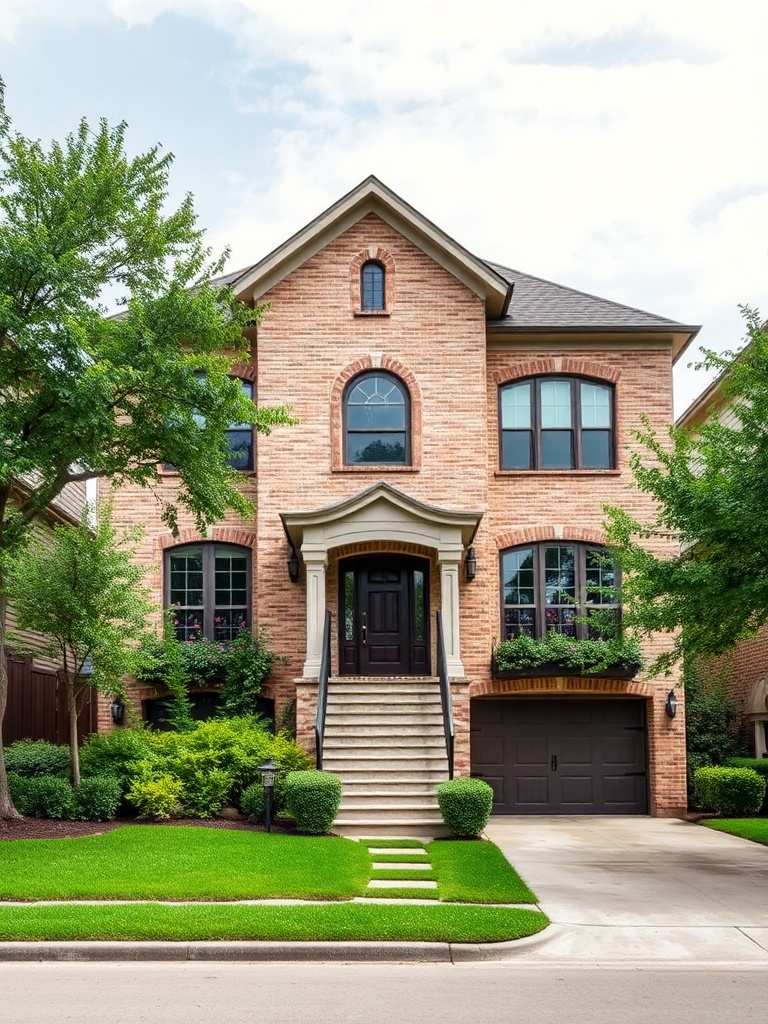
Inner-loop neighborhoods remain attractive for buyers seeking shorter commutes and nightlife, while suburban markets offer larger lots and newer schools—popular with growing families. Mixed-use developments that combine retail, dining, and residential space are increasing walkability in many parts of the city.
For investors, properties near major employment centers, medical complexes, and transit corridors tend to show steady rental demand.
Financing and negotiation
Mortgage availability and rates influence purchasing power, so get preapproved to understand your budget.
In negotiations, be ready to ask for inspection-based repairs, seller credits, or a home warranty to reduce short-term risk. For cash investors, title and survey issues can surface quickly, so include clear contingencies.
Final practical steps
Work with an agent who knows Houston’s micro-neighborhoods, get a thorough inspection, confirm flood exposure and insurance needs, and review property tax history. With careful due diligence and a focus on resilience and location, Houston real estate offers opportunities across budgets and lifestyles—making it a market worth watching for buyers and sellers alike.