Houston is quietly remaking its identity beyond oil and gas, positioning itself as a hub for clean energy, climate resilience, and innovation — while keeping the city’s signature cultural energy and diverse neighborhoods at the forefront.
For residents, businesses, and visitors, understanding this shift unlocks new opportunities and makes exploring Houston more interesting than ever.
Energy transition with a local advantage
Houston’s deep talent pool and infrastructure built around energy give it a competitive edge in the transition to low-carbon technologies. Companies are leveraging existing pipelines, engineering expertise, and port access to develop projects in renewables, hydrogen production, and carbon capture.
That combination creates demand for a wide range of jobs — from engineers and project managers to supply-chain specialists and policy experts — making Houston a hot spot for career pivots within the energy sector.
Flood resilience and green infrastructure
Repeated flooding events have driven innovative responses across the region.
Investment in bayou restoration, urban green spaces, and improved stormwater management has expanded use of nature-based solutions that reduce flood risk while improving parks and walkability. New development trends favor elevated design, permeable surfaces, and strategic buyouts in high-risk floodplains, which collectively make neighborhoods safer and more attractive over time.
Innovation ecosystem and research partnerships
Universities, research labs, and private startups are collaborating on cleantech, advanced manufacturing, and aerospace initiatives. The presence of major research institutions and a strong entrepreneurial community creates cross-sector opportunities — for example, applying petrochemical process expertise to hydrogen production or repurposing refinery sites for clean energy hubs. Public-private partnerships and regional convenings also help scale promising technologies faster.
Quality of life and culture
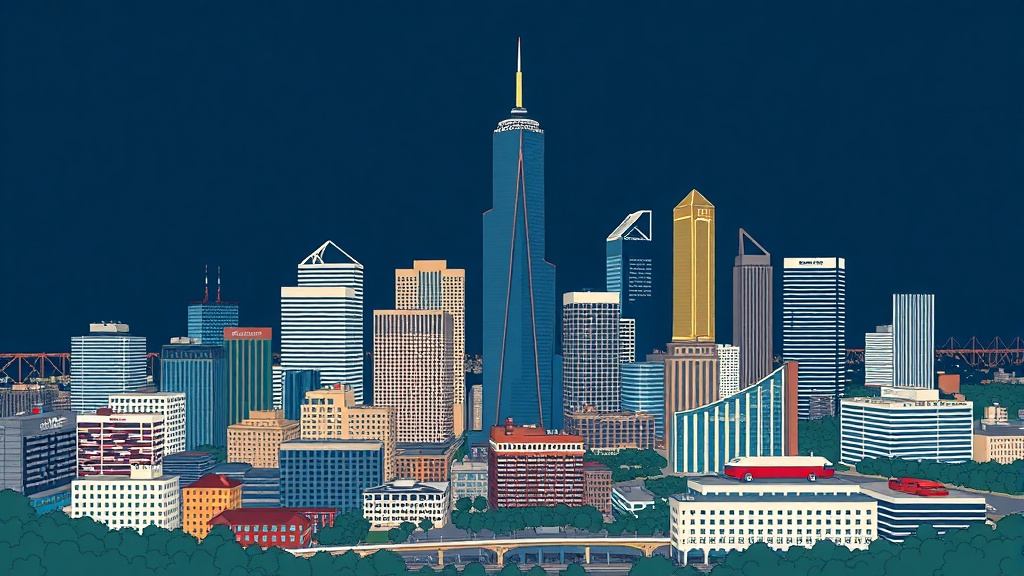
While Houston evolves economically, its cultural fabric remains vibrant. Neighborhoods like Montrose, Midtown, the Heights, and the Bayou corridor offer thriving dining scenes, art galleries, and parks. The city’s culinary diversity — from Tex-Mex and barbecue to Vietnamese and global fusion — continues to attract food lovers and supports small business growth.
Public spaces such as Buffalo Bayou Park and Hermann Park show how green infrastructure can double as recreation and climate adaptation.
What this means for businesses and residents
– For employers: Consider retraining and recruiting hybrid energy talent, and explore partnerships with local universities for internships and R&D collaborations.
– For job seekers: Look for roles tied to project development, environmental permitting, data analytics, and manufacturing for clean-energy equipment.
– For homeowners and renters: Keep informed about local flood maps and resilience incentives; green upgrades can increase property value while reducing risk.
– For investors: Opportunities exist across infrastructure, manufacturing, and service businesses that support decarbonization and resilience.
How to get involved
Attend community resilience workshops, follow local clean-energy meetups, and explore career fairs hosted by universities and industry groups. Visiting mixed-use developments and green neighborhoods offers a firsthand look at resilient design and community-driven change. Supporting local policies that prioritize equitable investment in vulnerable neighborhoods helps ensure benefits are widely shared.
Houston’s transformation is pragmatic: leveraging existing strengths while adapting to new economic, environmental, and social realities. That blend of grit, innovation, and culture makes the city a unique place to live, work, and build the next generation of energy and resilience solutions.