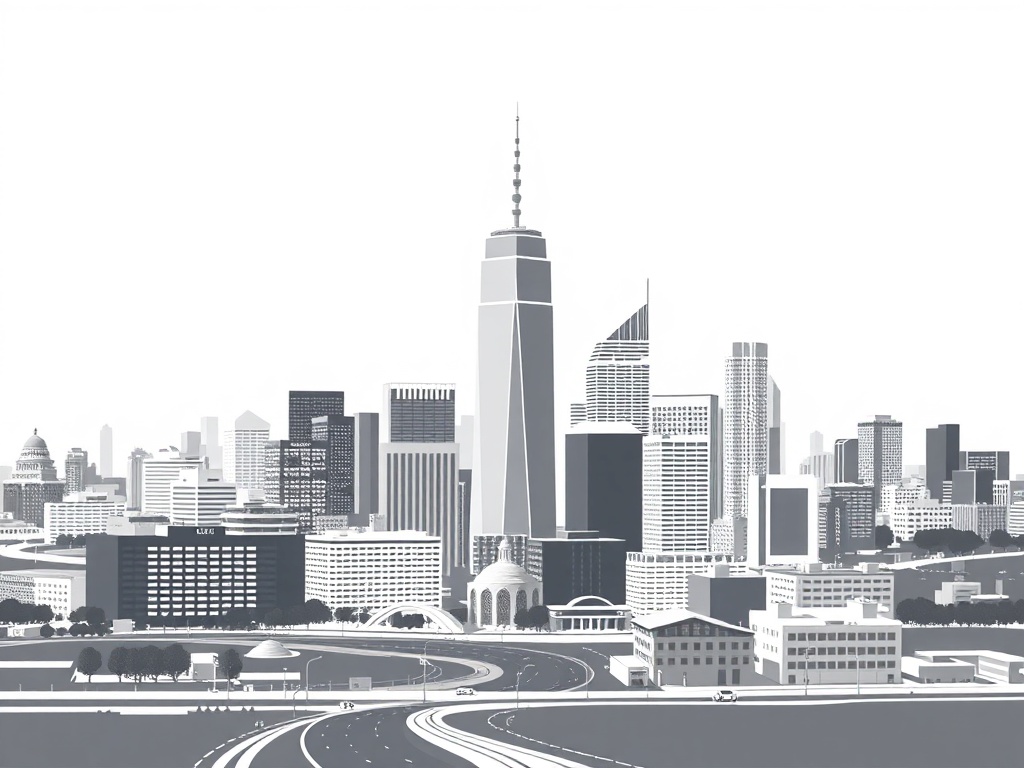
Houston is a city of contrasts: sprawling neighborhoods, a thriving energy economy, an internationally recognized medical complex, and a food scene defined by cultural fusion. For visitors and residents alike, the city delivers a blend of big-city amenities and local flavor that keeps it constantly evolving.
Energy and innovation
Houston’s long-standing role as an energy hub is shifting toward cleaner, diversified approaches. The region is become a center for renewable infrastructure, hydrogen development, carbon management, and energy tech startups. Corporations, labs, and entrepreneurial teams are converging to rework supply chains and build new markets, creating opportunities for engineers, policy makers, and investors. That mix of legacy expertise and new technology makes Houston a particularly interesting place for anyone tracking the energy transition.
Parks, bayous, and resilience
The city’s network of bayous and urban parks defines how Houston grows. Buffalo Bayou Park, Memorial Park, and the Bayou Greenways system offer miles of trails, paddling spots, and places to relax in a green corridor that threads through dense neighborhoods.
City planning and civic groups have placed increasing emphasis on flood resilience and natural infrastructure — from restored wetlands to expanded greenways — aimed at protecting neighborhoods while improving recreational access.
Food and neighborhoods
Houston’s culinary reputation comes from its diversity. Montrose, the Heights, Chinatown, and Gulfton each bring distinct dining scenes: from classic Tex-Mex and barbecue to Vietnamese pho, Nigerian jollof, Cajun seafood boils, and inventive fusion food trucks. Neighborhood farmers markets, pop-up kitchens, and a lively brunch culture mean there’s always something new to try. Dining here is as much about community and conversation as it is about flavor.
Arts, science, and performance
The Museum District concentrates major cultural institutions that appeal to a broad audience. Art lovers can linger at modern and contemporary collections; science fans gravitate toward interactive natural history and space exhibits. The Theater District supports world-class opera, ballet, and plays, while outdoor venues host music and festivals that draw families and nightlife crowds alike. The proximity of cultural institutions to parks and public transit makes it easy to plan a full day of museums and performances.
Healthcare and research
The Texas Medical Center is a global leader in clinical care and biomedical research, driving breakthroughs in patient care and attracting talent from around the world.
Collaboration among hospitals, research labs, and startups fuels advances in medical technology and biotech commercialization, with spillover benefits for the broader local economy.
Getting around and practical tips
Driving remains the most common way to get around, but bike lanes, pedestrian improvements, and transit investments are expanding options for commuters and visitors. Two major airports serve the region with domestic and international connections. For a compact downtown experience, bike or walk between museums, parks, and theaters; for neighborhood hopping, ride-hailing and light rail help bridge longer distances.
Whether you’re exploring new restaurants, touring greenways, attending a gallery opening, or tracking developments in energy and medicine, Houston offers a lively blend of innovation and culture. Keep an eye on neighborhood calendars and local newsletters to catch pop-ups, open-air markets, and community-led events that showcase the city’s evolving character.
