Houston moves with a restless energy — a sprawling metropolis where rockets lift off, skyscrapers hum with corporate shifts, and neighborhoods pulse with food, art, and culture. For newcomers and longtime residents alike, the city offers a compelling mix of economic opportunity and everyday life that keeps attention focused on its next chapter.
A diversified economy drives Houston’s momentum. Energy remains a backbone, but the narrative has broadened to include renewable tech, life sciences, aerospace, and logistics. The Texas Medical Center functions as a global hub for medical innovation and patient care, attracting talent and startups. Nearby, research institutions and private ventures are pushing advances in biotech, diagnostics, and health tech. At the same time, aerospace activity — both government and private — keeps Houston linked to launchpads and orbital ambitions.
Urban planning and resilience shape daily life. After powerful storms prompted a rethink of development patterns, the city has invested in flood mitigation, green infrastructure, and natural waterway restoration. Trails, parks, and renovated bayou corridors not only manage stormwater but create new recreational corridors that stitch neighborhoods together. Homebuyers and renters increasingly factor in elevation, stormwater management, and transit access when choosing where to live.
Neighborhoods offer striking contrasts. The Museum District and Midtown attract culture and nightlife; Montrose remains an eclectic center for galleries, cafes, and independent shops; the Heights delivers tree-lined streets and small-business charm; and southeast pockets of the city showcase booming culinary scenes and affordable housing options.
Suburban areas continue to grow, but urban infill and mixed-use development are reshaping how people live close to jobs and entertainment.
Food and culture are central to Houston’s identity. The city’s culinary scene is a global tapestry — from celebrated barbecue and Tex-Mex to Vietnamese pho, Nigerian and Ethiopian eateries, and farm-to-table restaurants. Food halls and pop-ups keep the dining scene nimble, while long-standing establishments anchor culinary traditions. Museums, performing arts centers, and festivals provide a rich arts calendar that complements the food scene and supports vibrant nightlife.
Transportation and logistics remain strategic advantages. Major ports and airports make Houston a crucial node for international trade and supply chains.
Investment in freight infrastructure, rail connections, and last-mile logistics continues to attract businesses that rely on efficient distribution networks. Public transit expansion and micro-mobility options aim to ease commutes, though many residents still depend on cars — a reality that shapes infrastructure priorities.
Real estate patterns favor both opportunity and caution. Commercial real estate adapts to hybrid work models, while housing markets reflect a demand for walkable neighborhoods and resilient construction. Developers increasingly incorporate green building practices and community amenities to meet buyer expectations.
For visitors and residents looking to get the most from Houston, a few practical tips help: explore the bayou trails for an accessible taste of urban nature; sample neighborhoods beyond downtown to discover diverse dining and entertainment; check flood maps and building elevation when considering property; and use cultural calendars to find free or low-cost events that showcase local talent.
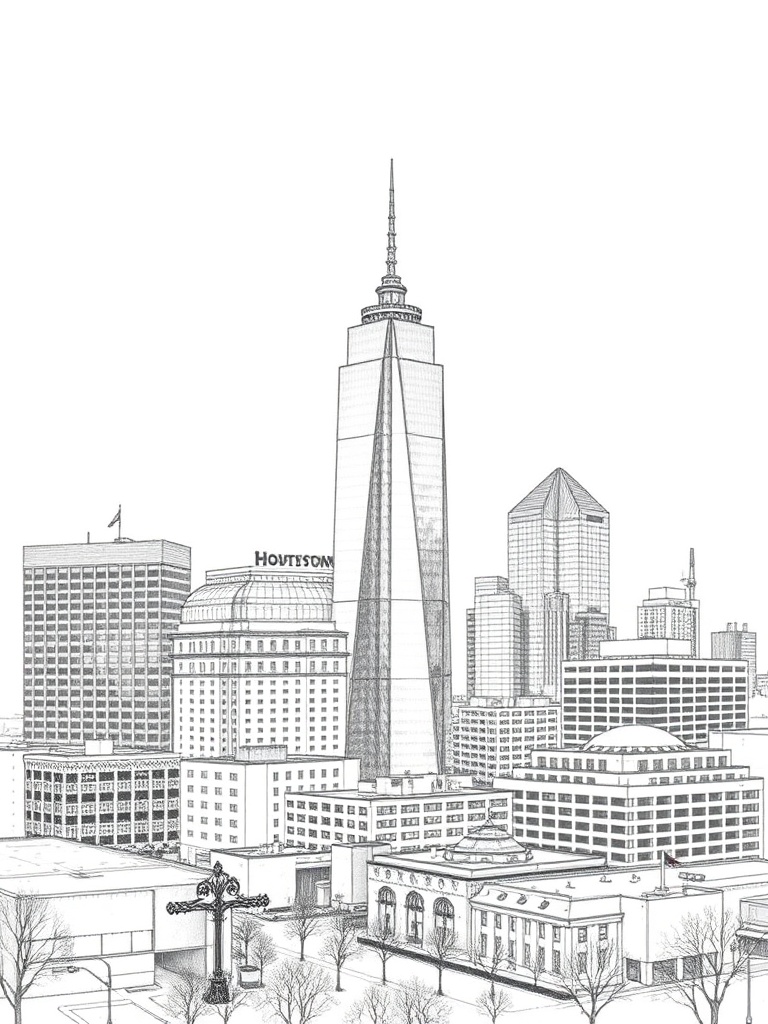
Houston’s story is one of reinvention and ambition.
Its mix of global commerce, scientific discovery, and neighborhood-level creativity creates a landscape where the next innovation, restaurant, or community project often feels just around the corner.