Houston is reshaping itself around resilience, innovation, and cultural vibrancy — a city learning to grow smarter as weather extremes, population shifts, and an evolving economy converge. For residents and visitors alike, understanding how Houston balances its energy roots, flood challenges, and neighborhood life offers a clear picture of how a major American metropolis adapts for the future.
A city without traditional zoning, Houston’s landscape is a patchwork of distinctive neighborhoods where development decisions are often market-driven.
That flexibility has helped spur rapid growth and a famously diverse culinary and arts scene, but it has also created challenges when heavy rains and coastal storms test drainage systems. Flood mitigation has moved from being a reactive priority to a central planning objective: improved drainage projects, strategic buyouts of repeatedly flooded properties, and more stringent building standards are reshaping how homes and infrastructure are sited and constructed.
Green infrastructure plays a major role in Houston’s approach. Extensive bayou corridors are being transformed into linear parks and multiuse trails that serve both recreation and flood management.
These greenways act as natural buffers, slowing runoff and providing space for floodwater while reconnecting neighborhoods to public open space.
Bioswales, permeable pavements, and expanded tree canopy initiatives are also being used across residential and commercial developments to reduce stormwater impact and cool urban heat islands.
Energy remains a core part of Houston’s identity, but the city’s energy sector is diversifying. Companies and research institutions are investing in technologies tied to renewables, carbon management, hydrogen, and offshore wind supply chains.
That transition creates opportunities for job growth and positions Houston as a center for energy innovation, blending traditional industry expertise with new low-carbon solutions.
Transportation and mobility are evolving to match resilience goals. Efforts to expand high-capacity transit, integrate micro-mobility options, and electrify public fleets aim to reduce congestion and emissions while improving access across neighborhoods. Streetscape projects and pedestrian-friendly design also contribute to safer, more walkable communities and support local businesses.
Community preparedness is another key focus.
Resilience hubs, emergency readiness programs, and neighborhood-level planning help residents better respond to storms and flooding.
Local organizations often lead education on flood maps, insurance choices, and home-hardening strategies — practical steps that complement larger infrastructure investments. For renters and homeowners alike, staying informed about flood risk, signing up for emergency alerts, and having a basic emergency kit can make a meaningful difference during severe weather.
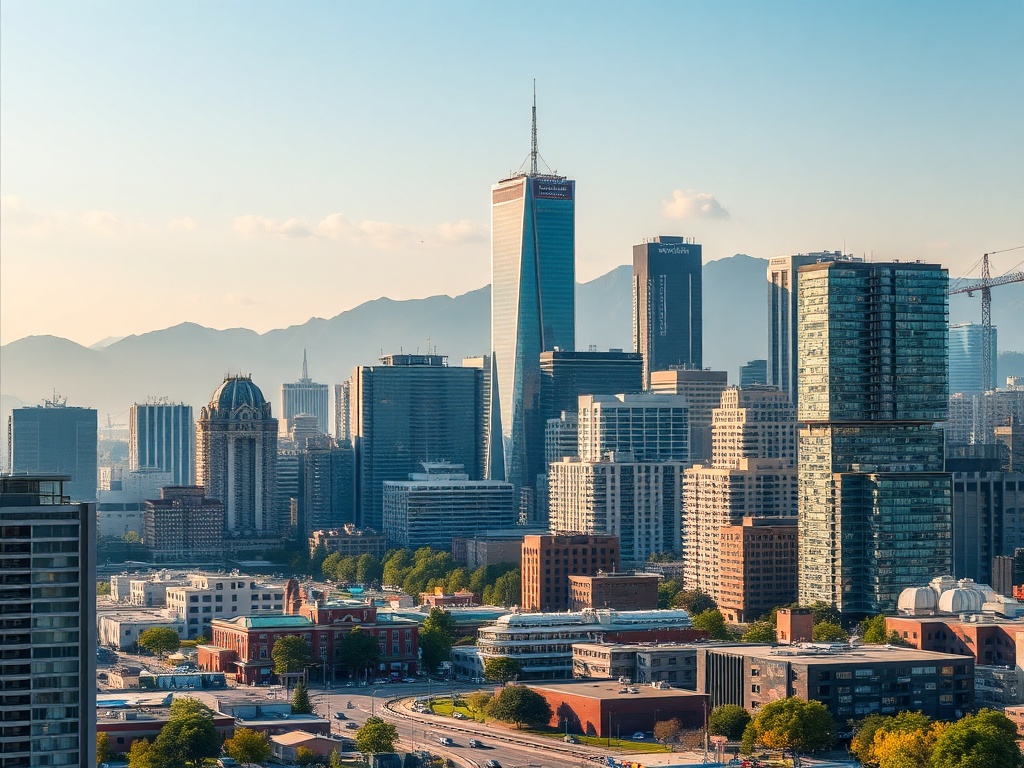
The city’s cultural fabric remains a powerful anchor. Restaurateurs, artists, and small businesses continue to thrive in Houston’s eclectic neighborhoods, offering everything from global cuisine to cutting-edge performance spaces.
Those cultural assets not only enrich daily life but also contribute to economic resilience by attracting visitors and talent.
Whether you’re considering a move to Houston, planning a visit, or simply watching the city’s evolution, the balance between innovation, community action, and practical planning is clear. Houston’s efforts to harden infrastructure, diversify its economy, and expand green space demonstrate a long-term commitment to living with — and adapting to — the environmental realities of the region. Staying engaged with local planning efforts and neighborhood groups is one of the best ways residents can help shape a resilient, thriving city for everyone.