Houston’s bayous are more than drainage channels — they’re the backbone of an evolving urban landscape that blends flood resilience, outdoor recreation, and neighborhood revitalization. As the city continues to grow, local planners, nonprofits, and residents are reimagining the bayou network as a green infrastructure system that improves water management while creating accessible parks, trails, and wildlife corridors.
Why bayous matter
Houston’s natural waterways collect and move stormwater across a highly developed metropolitan area.
When bayous are healthy and connected to functioning floodplains and wetlands, they reduce downstream flooding and filter pollutants. When neglected or constrained by hard infrastructure, they contribute to more frequent and severe urban flooding. Transforming these channels into multiuse green corridors addresses both public safety and quality of life.
What’s changing on the ground
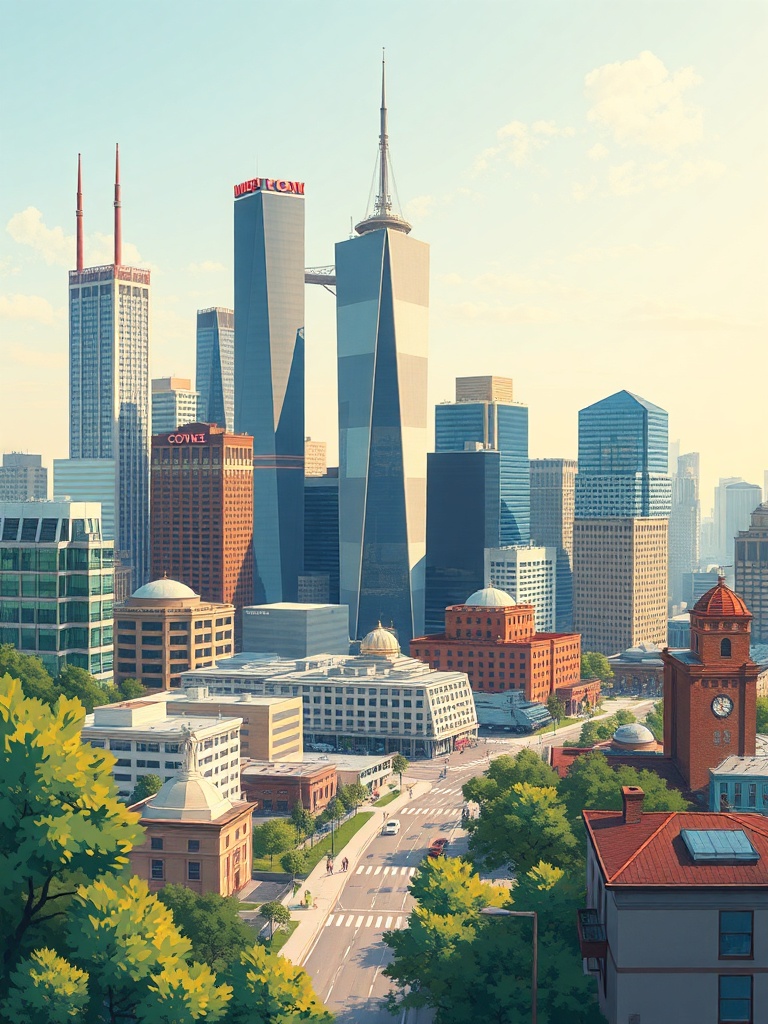
Recent efforts focus on reconnecting fragmented green space and creating continuous trails that link neighborhoods to employment centers, schools, and transit. Projects often combine trail construction with flood mitigation features such as widened channels, stormwater detention basins, restored wetlands, and bioswales. Urban parks along bayous now include native plantings that support pollinators, habitats for birds and aquatic life, and engineered features that absorb and slow stormwater.
Key benefits
– Flood mitigation: Expanded floodplains and detention areas reduce peak flows and give stormwater space to spread out safely.
– Recreation and health: Continuous hike-and-bike trails encourage walking, cycling, and outdoor exercise, improving public health and reducing car dependence.
– Climate resilience: Native landscaping and shaded corridors reduce urban heat island effects and increase biodiversity.
– Economic uplift: Parks and trails stimulate local businesses, increase property values, and attract more residents and visitors.
– Community building: Volunteer cleanups, native planting days, and neighborhood stewardship programs foster local ownership and civic engagement.
How communities can get involved
– Walk or bike a local trail and report maintenance needs to park authorities.
– Join a neighborhood or citywide bayou cleanup event; many nonprofits organize regular volunteer opportunities.
– Support native landscaping at home and advocate for permeable surfaces, rain barrels, and rain gardens in your neighborhood to reduce runoff.
– Encourage elected officials to fund green infrastructure and prioritize nature-based solutions in city planning.
Practical tips for visiting
– Trails are best enjoyed in early morning or evening when temperatures are milder and wildlife is more active.
– Wear sun protection, bring water, and use insect repellent in warmer months.
– Respect posted rules for pets and wildlife; many bayou areas double as habitat corridors.
– Check local park or conservancy websites for trail maps, special events, and volunteer opportunities.
The bigger picture
Reconfiguring urban waterways into multifunctional green corridors offers a scalable model for other cities facing rapid growth and climate-related risks. By treating the bayous as assets — not liabilities — Houston shows how cities can integrate flood safety, recreation, and ecological restoration into one cohesive strategy that enhances neighborhood resilience and livability.
Supporting ongoing maintenance and expansion of these green systems ensures they continue to protect communities while providing spaces for recreation, wildlife, and connection to nature.
Whether you’re a resident, visitor, planner, or business owner, engaging with the bayous is a tangible way to invest in a safer, greener, more enjoyable city.