The oil industry is navigating a period of pragmatic adaptation: balancing ongoing demand for hydrocarbons with pressure to lower emissions and align with broader energy transitions.
Operators, investors and policymakers are shaping strategies that keep supply reliable while pursuing cleaner, more efficient production and refining.
Market dynamics and supply management
Producers continue to manage output carefully to support price stability amid fluctuating demand. Cartels and producing alliances play a role in smoothing supply, while independent producers adjust drilling and completion activity based on margins and regional costs. This fine-tuning affects investment decisions across exploration, production and downstream projects, making flexibility a competitive advantage.
Decarbonization on the well pad and beyond
Reducing greenhouse gas emissions is a major operational priority.
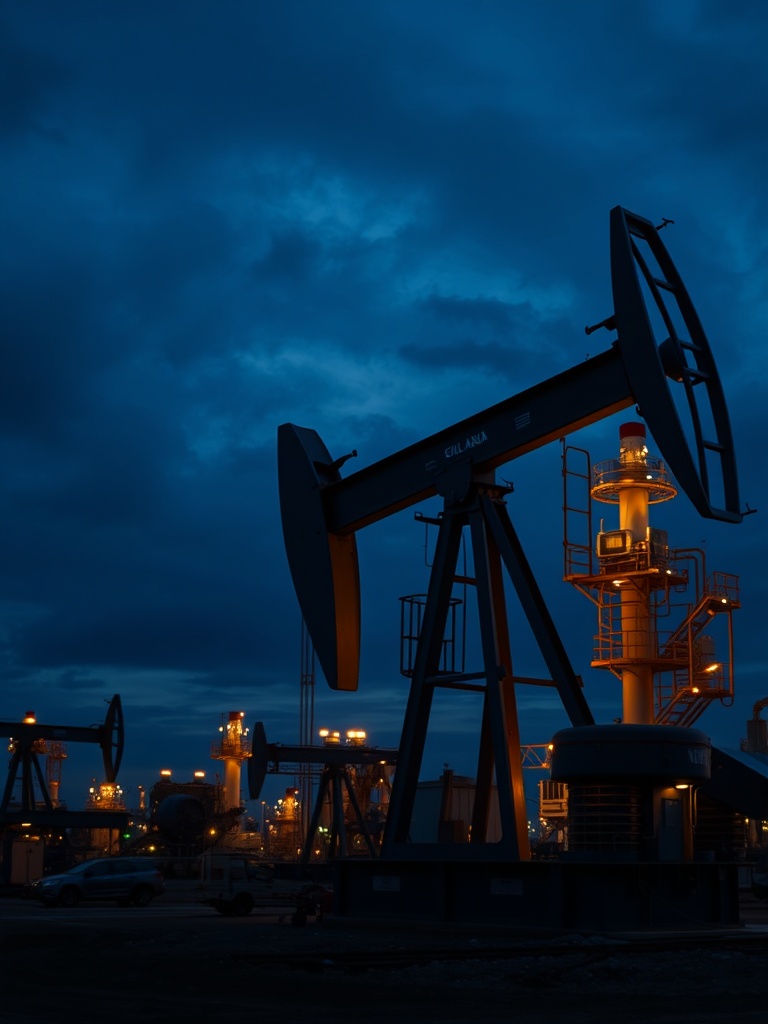
Methane detection and mitigation programs are expanding, with continuous monitoring, leak detection cameras and improved maintenance practices becoming standard on many sites. Electrification of site equipment and use of low-carbon power for offshore platforms reduce diesel consumption and emissions.
Carbon capture and utilization are gaining traction where large point-source emissions exist, such as refineries and petrochemical complexes. Captured CO2 can be stored underground or used for enhanced oil recovery and as a feedstock for specialty products. Meanwhile, investment in hydrogen — both “blue” (from fossil fuels with capture) and “green” (from renewables) — is progressing as companies plan to decarbonize hard-to-abate segments like heavy transport and refining.
Petrochemicals: a resilient demand driver
Petrochemicals remain a structural source of oil demand as plastics, solvents and industrial chemicals underpin countless consumer and industrial goods. Growing demand for packaging, construction materials and medical-grade polymers supports long-term feedstock needs. This resilience is prompting refiners to optimize crude slates toward higher-value petrochemical production, while also exploring circular solutions like chemical recycling.
Technology and digitalization
Digital tools are improving exploration success rates, optimizing reservoir management and lowering operating expenses. Data analytics, remote operations and predictive maintenance reduce downtime and extend asset life. Drones and autonomous inspection tools increase safety and speed for pipeline and offshore integrity checks. These technologies also help firms meet regulatory and investor expectations on environmental performance by providing transparent, auditable data streams.
Offshore and unconventional fronts
Deepwater and ultra-deepwater projects remain attractive for large, long-lived reserves, though they require disciplined capital allocation.
Onshore unconventional resources continue to provide flexibility, with producers using shorter-cycle projects to respond quickly to market signals. Co-development with renewable projects — such as using offshore platforms to support wind farm operations or repurpose infrastructure for carbon storage — is emerging as a pragmatic way to leverage existing assets.
Refining, fuels and shipping
Refineries are adapting to changes in fuel demand by increasing flexibility to process a wider range of crude qualities and to produce cleaner fuels and feedstocks. Low-carbon fuels for shipping and aviation, including sustainable aviation fuels and bio-based marine fuels, are attracting partnerships between oil companies and renewable fuel producers to meet regulatory and market demand.
Financing and ESG integration
Capital markets are scrutinizing projects for carbon intensity and resilience under varied demand scenarios. Companies that demonstrate credible emissions reduction plans, transparent reporting and alignment with regulatory frameworks tend to access capital more favorably. Collaborations between oil firms, technology providers and governments are accelerating pilot projects that can scale low-carbon solutions.
Path forward
The oil industry’s near-term role will remain significant as global energy systems evolve.
Those that combine operational excellence with aggressive emissions reduction, smart capital allocation and strategic partnerships are best positioned to deliver value while addressing environmental and societal expectations. Continuous innovation and pragmatic policy will determine how the sector contributes to a reliable, lower-carbon energy future.