The oil industry is navigating a fast-evolving landscape where traditional strengths meet urgent pressure to decarbonize. Producers, refiners, and service companies are balancing near-term market dynamics with long-term strategic shifts—investing in efficiency and new technologies while managing price volatility and geopolitical risk.
Market dynamics and demand
Global energy demand is changing as electrification and efficiency reduce fuel use in some sectors while petrochemicals and aviation fuels maintain robust consumption. Liquids demand is shifting regionally, with growth concentrated in emerging markets and persistent demand in heavy transport. Supply-side flexibility remains a core advantage for oil majors and independents, who can quickly ramp output from shale basins and offshore fields to meet short-term imbalances. Price volatility continues to be driven by geopolitical events, inventory trends, and policy shifts that affect investment outlooks.
Decarbonization and low-carbon fuels
Decarbonization is reshaping business models across the value chain. Major operators are investing in carbon capture, utilization, and storage (CCUS), hydrogen production, and lower-carbon fuels such as sustainable aviation fuel (SAF) and renewable diesel. CCUS projects aim to mitigate emissions from hard-to-abate sources like refining and petrochemicals, while blue and green hydrogen are being pursued to decarbonize industrial and transport sectors. These strategies help companies meet emissions targets and access new revenue streams tied to low-carbon products and carbon credits.
Petrochemicals as growth engines
Petrochemicals are a resilient growth area, driven by plastics, packaging, and specialty chemicals demand. Refiners are optimizing feedstocks to capture higher-value petrochemical margins, while integrated players are expanding crackers and derivative capacity.
This shift helps offset slower transport fuel demand and supports refinery utilization in regions where feedstock access and market fundamentals are favorable.
Digitalization and operational efficiency
Digital transformation is reducing operating costs and improving recovery rates. Advanced data analytics, AI-enabled reservoir modeling, predictive maintenance, and automation optimize drilling and production workflows. Digital twins and remote operations centers increase safety and lower emissions by reducing rig and platform footprints. Cybersecurity has become a strategic priority as operations become more connected, requiring robust defenses and contingency planning.
Capital allocation and investment trends
Capital discipline remains central as companies balance shareholder returns with the need to fund transition projects. Upstream investments prioritize high-return, low-breakeven assets, while downstream and midstream investments focus on decarbonization retrofits and new value chains like hydrogen and carbon management hubs. Access to capital is increasingly influenced by ESG metrics, with lenders and investors favoring transparent emissions reporting and credible transition plans.
Regulatory and geopolitical context
Policy frameworks, carbon pricing, and trade dynamics shape project economics. Governments are incentivizing clean fuels and CCUS deployment through subsidies and offtake agreements, while geopolitical tensions continue to create supply-side risks that ripple through global markets. Companies that build resilient, diversified portfolios are better positioned to manage these uncertainties.
What operators should prioritize
– Integrate low-carbon projects with core operations to capture synergies and scale.
– Use digital tools to reduce costs and emissions across the asset base.
– Expand petrochemical and specialty product exposure to diversify revenue.
– Strengthen supply chain resilience and cybersecurity posture.
– Communicate credible emissions pathways to attract capital and partners.
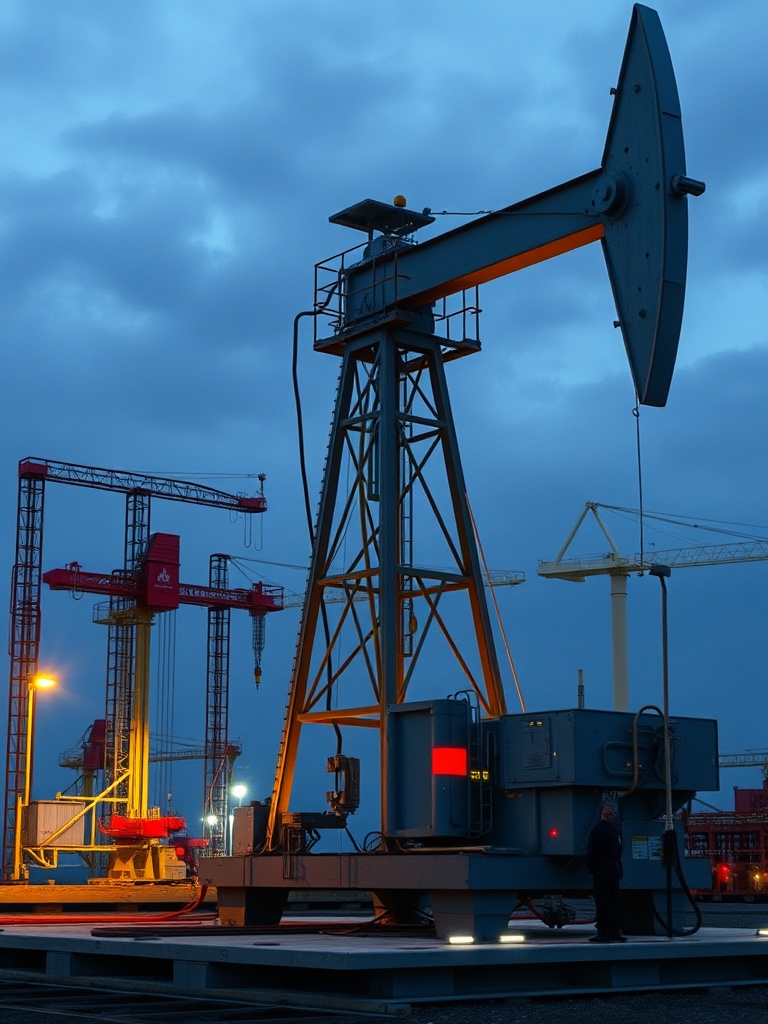
The oil industry’s near-term focus is twin-tracked: delivering reliable energy and cash flow while investing in transition technologies that reshape long-term value. Companies that move decisively on efficiency, decarbonization, and digitalization will likely lead as markets evolve and new low-carbon opportunities emerge.