Houston’s waterways are no longer just drainage channels — they’re fast becoming the city’s most vital public spaces. A network of bayous and greenways weaves through neighborhoods, linking parks, cultural districts, and commercial corridors while helping manage stormwater, increase biodiversity, and give residents more options for outdoor recreation.
At the heart of this shift are transformed corridors such as Buffalo Bayou Park, which blends flood-resilient landscape design with recreation: paved trails for walking and cycling, sculptural bridges, native planting that supports pollinators, and overlooks that showcase the skyline. Other corridors — White Oak, Brays, and Sims bayous — are likewise seeing improved trails, kayak-friendly access points, and restored riparian zones that absorb runoff and reduce erosion.
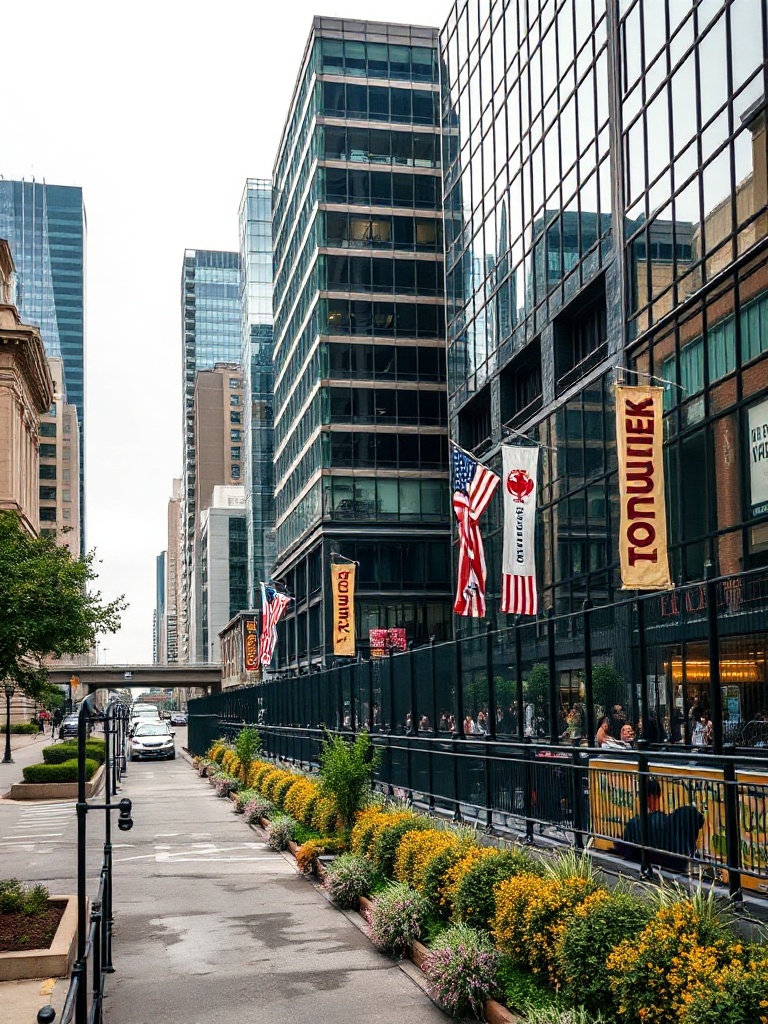
Why this matters: greenway projects deliver layered benefits. They create safer, car-free routes for commuting and leisure; they increase property values and attract small businesses along trailheads; and they act as natural infrastructure that cushions neighborhoods from heavy rainfall. For families and commuters, more continuous trails mean practical options for biking to work or school. For nature lovers, restored bayou banks offer habitat for birds, turtles, and native plants that were once squeezed out by development.
Planning a visit? A few practical tips make outings easier and more enjoyable:
– Best ways to explore: bike lanes and multi-use trails handle both cyclists and pedestrians; guided kayak tours or outfitters supply gear and local knowledge where waterways are paddling-friendly.
– What to bring: water, sun protection, comfortable shoes, and a lightweight rain shell.
In warmer months, start early to avoid the heat. Mosquito repellent is handy near shaded, vegetated sections.
– Safety and etiquette: stay to the right on trails, announce passes, yield to pedestrians, and leash dogs in shared-use areas. If paddling, wear a life jacket and check water conditions before launching.
– Accessibility: many parks now include ADA-compliant trails and amenities; check local park maps for accessible entry points and parking.
Community involvement is a big part of the greenway story. Volunteer groups organize cleanups, native-planting days, and stewardship events that strengthen civic ties and keep parks activated year-round. Local artists often contribute installations and programming that reflect neighborhood identity, turning ordinary bridges and underpasses into canvases.
Getting there is straightforward via a mix of driving, bike routes, and public transit options that connect major trailheads.
For a compact urban outing, link a bayou stroll with nearby attractions — museums, food halls, or neighborhood coffee shops — to round out the day.
These greenways are more than recreational assets; they’re a strategy for living with a subtropical climate and growing urban population. By prioritizing natural systems and people-centered design, the city’s bayous are being recast as resilient community spaces that serve recreation, transportation, and environmental goals all at once. Whether you’re a daily commuter, weekend explorer, or someone looking for quieter green space, Houston’s bayou corridors offer accessible ways to connect with nature inside the city.