The oil industry is navigating a period of intense change as demand patterns, investor expectations, and technology converge to reshape how companies operate. Today’s landscape is defined by a twin focus: maintaining reliable energy supplies while reducing carbon intensity across the value chain. That balancing act is driving new strategies in production, refining, and corporate planning.
Market dynamics and volatility
Volatility in oil prices remains a constant driver of strategic decisions. Producers are prioritizing cash-flow resilience through disciplined capital allocation and lower breakeven projects.
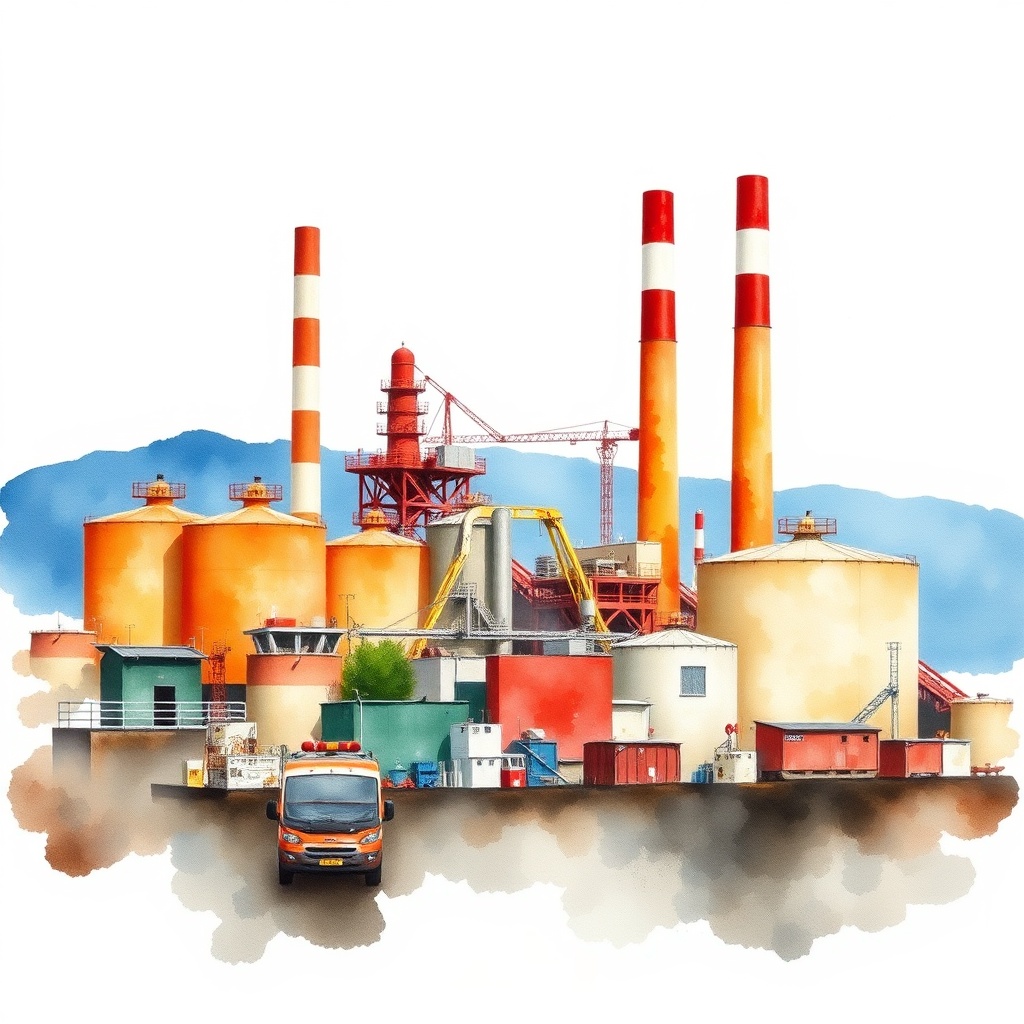
Downstream businesses are optimizing refinery slates and margins by shifting feedstocks and improving yield flexibility to respond to swings in fuel demand and petrochemical opportunities. Meanwhile, traders and planners are paying closer attention to inventory management and logistics to avoid bottlenecks that can amplify price moves.
Decarbonization and technology adoption
Decarbonization is no longer optional. Operators are investing across multiple levers: energy efficiency, electrification of operations, methane leak detection and mitigation, and carbon capture, utilization and storage (CCUS). CCUS projects are being paired with hard-to-abate operations to materially cut emissions, while captured CO2 is increasingly used for enhanced oil recovery or stored underground to offset residual emissions.
Hydrogen — particularly low-carbon hydrogen produced via electrolysis powered by renewable electricity or through natural gas with carbon capture — is emerging as both a product and an input for refining and petrochemical processes. This diversification supports long-term demand resilience and opens pathways to new revenue streams.
Digital transformation and operational efficiency
Digital tools are improving both upstream recovery and downstream efficiency. Predictive maintenance, AI-driven reservoir modeling, and remote monitoring reduce downtime and operating costs. In supply chains, blockchain and advanced analytics enhance traceability and optimize logistics, helping companies reduce emissions from transportation and storage while improving compliance and cost control.
Environmental, social and governance (ESG) pressures
Investors, lenders, and regulators are increasingly asking for transparent reporting on emissions across Scope 1, 2, and 3. This has prompted more rigorous measurement and verification practices, including satellite-based methane monitoring and third-party assurance of emissions data. Companies that proactively disclose performance and set credible targets are more likely to secure capital and favorable financing terms.
Strategic portfolio shifts and partnerships
Major players are diversifying portfolios to include low-carbon fuels, renewables, and petrochemical feedstocks with higher margins. Joint ventures and strategic partnerships are accelerating technology deployment—sharing risk and speeding up commercialization of CCUS, hydrogen, and advanced recycling for plastics.
Geopolitics and supply chain resilience
Geopolitical developments continue to shape supply routes and investment decisions.
Energy security considerations are prompting some consumers to seek diversified supply sources, while onshore production and regional refining hubs gain attention for their ability to reduce transport-related risks.
Companies are building more resilient supply chains through regional sourcing, inventory buffers, and flexible contracting.
What this means for the future
The oil industry is evolving from commodity-centric operations toward integrated energy businesses that combine traditional capabilities with low-carbon technologies. Companies that blend operational excellence, transparent emissions management, and targeted investments in decarbonization will be best positioned to compete.
For stakeholders—operators, investors, and policymakers—the priority is clear: support pragmatic transitions that secure reliable energy while accelerating the technologies and policies needed to lower the sector’s carbon footprint.