Why the oil industry still matters
The oil industry continues to underpin global energy systems and industrial supply chains. While demand patterns are shifting with expanding electrification and renewable capacity, oil remains essential for transport fuels, petrochemicals, and heavy industry. Companies that balance near-term supply security with long-term decarbonization strategies are best positioned to navigate market volatility and regulatory pressure.
Decarbonization with practical tools
Carbon management is central to the industry’s future.
Carbon capture and storage (CCS) projects, hydrogen production (especially low-carbon hydrogen from natural gas with capture), and blending of sustainable aviation fuels (SAF) are realistic pathways to reduce lifecycle emissions from oil and oil-derived products. Deploying CCS at refineries and petrochemical plants, and investing in SAF feedstock and production, helps retain market access as carbon regulation and buyer preferences tighten.
Tackling methane and operational emissions
Methane emissions are an immediate climate and reputational risk. Advances in satellite monitoring, aerial surveys, continuous ground sensors, and leak detection programs make fugitive emission management more effective and transparent. Rapid detection paired with fast repair programs significantly lowers reported emissions and can reduce regulatory fines and investor scrutiny.
Tracking methane intensity across assets is increasingly standard reporting practice for forward-looking operators.
Digitalization, efficiency, and predictive maintenance
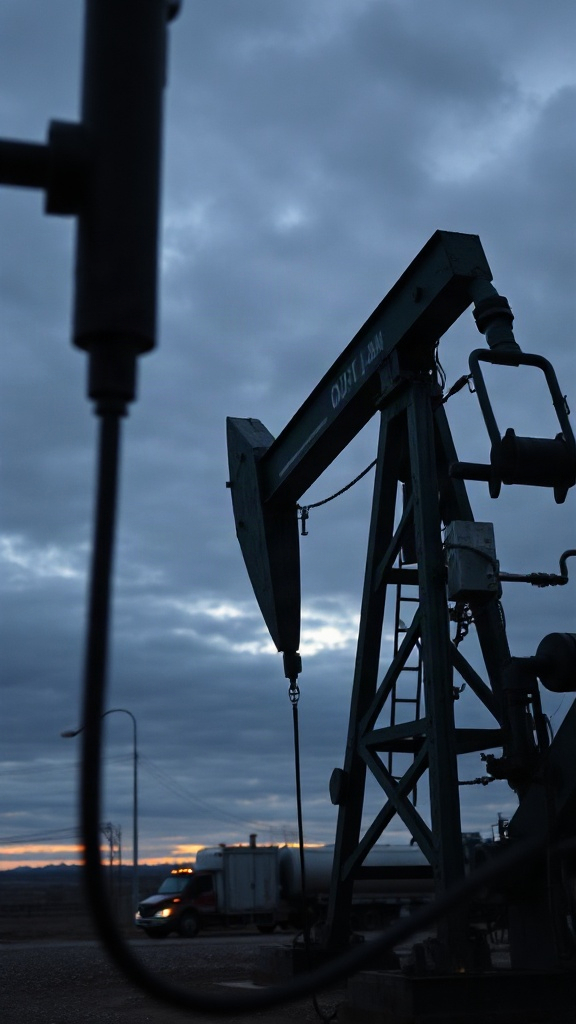
Data analytics, remote monitoring and automation are transforming upstream and downstream operations. Predictive maintenance reduces unplanned downtime, while advanced reservoir modeling and optimization tools improve recovery rates. Digital twin technology for refineries and offshore platforms enables scenario testing and incremental efficiency gains. These capabilities lower unit costs and support lower-emission operations by optimizing energy use.
Offshore innovation and electrification
Offshore developments are moving toward electrified platforms, floating production systems, and integrated subsea solutions that reduce surface footprints and emissions. Where grid or floating wind connections are feasible, electrification of offshore facilities can cut fuel use and local emissions. Floating production, storage and offloading (FPSO) vessels and modular designs extend the economic life of remote fields while improving environmental performance.
Supply chain resilience and market flexibility
Resilience in procurement, logistics and feedstock sourcing helps companies absorb price swings and geopolitical disruption. Integrating petrochemical growth with fuel strategies diversifies revenue streams. Strategic storage, flexible tolling arrangements, and closer collaboration with shipping and trucking partners reduce bottlenecks and improve margins during market shocks.
Investor expectations and regulatory dynamics
Investors increasingly expect credible transition plans, transparent emissions reporting and capital discipline. Carbon pricing, stricter methane rules and disclosure standards are shaping investment and operational choices. Companies that set clear targets, invest in credible mitigation technologies, and disclose progress attract more stable capital and lower financing costs.
Practical priorities for industry leaders
– Measure and disclose: standardize emissions tracking across scopes and assets.
– Invest selectively: prioritize projects that cut emissions and improve margins, such as CCS at high-emitting facilities and SAF capacity.
– Upgrade operations: scale leak detection, predictive maintenance and process optimization to reduce operating costs and emissions.
– Partner and diversify: seek joint ventures for large-scale decarbonization projects and expand into complementary businesses like low-carbon fuels and chemicals.
– Communicate progress: transparent reporting builds stakeholder trust and reduces regulatory and market risk.
Balancing reliable energy supply with credible climate action defines the next phase for the oil industry. Firms that combine operational excellence, targeted low-carbon investment and clear stakeholder communication will capture value while addressing the rising expectations of customers, regulators and investors.