How the Oil Industry Is Adapting to an Evolving Energy Landscape
The oil industry remains central to global energy systems, but its role is shifting as governments, investors, and consumers push for lower emissions and greater resilience. Companies that adapt strategically—reducing operational emissions, diversifying portfolios, and modernizing operations—are best positioned to thrive through volatility and demand shifts.
Decarbonizing operations, not just product portfolios
Reducing greenhouse gas emissions across upstream and downstream operations is a top priority. Operators are focusing on methane detection and reduction, electrification of offshore platforms where grid or low-carbon power is available, and switching to lower-carbon fuels for transport and logistics.
These measures cut emissions and often lower operating costs by reducing flaring, improving efficiency, and avoiding regulatory penalties.
Carbon capture and low-carbon fuels
Carbon capture, utilization and storage (CCUS) is emerging as a practical tool to manage industrial emissions while keeping essential hydrocarbon production online. Alongside CCUS, investment in low-carbon fuels—biofuels and hydrogen produced with low lifecycle emissions—offers oil companies a way to leverage existing distribution networks and expertise. Integrated strategies that pair traditional refining with production of cleaner fuels are becoming more common.
Digitalization and operational resilience
Digital transformation is improving safety, efficiency and decision-making across the value chain.
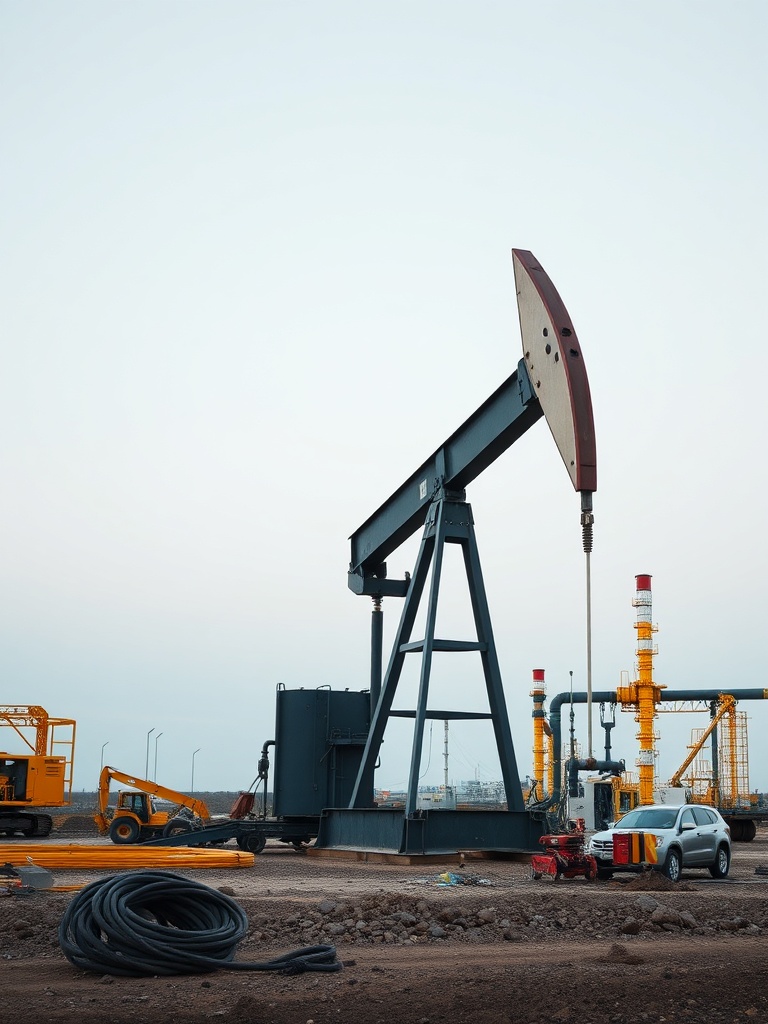
Remote monitoring, predictive maintenance, and advanced analytics enable operators to reduce downtime and optimize production.
Digital tools also enhance supply chain visibility, helping companies manage disruptions and maintain product flows during geopolitical or weather-related events.
Balancing investment and shareholder expectations
Capital allocation remains a delicate balance: maintaining cash flow from core oil and gas assets while funding low-carbon initiatives. Many companies are adopting clearer capital allocation frameworks that prioritize returns, sustainable operations, and selective growth in cleaner energy segments. Transparent reporting on emissions reduction targets and progress helps maintain investor trust.
Managing methane and other short-lived climate pollutants
Methane is a powerful climate forcer and reducing leaks in upstream systems yields rapid climate benefits. Greater deployment of continuous monitoring technologies, best practices for leak detection and repair, and stricter contractual and regulatory requirements are encouraging faster action across the industry. These reductions are both environmentally effective and economically sensible, as captured methane is a saleable product.
Supply chain and market dynamics
Global demand patterns, trade flows and refining capacity shifts influence trade balances and pricing. Companies that invest in flexible refining configurations, midstream infrastructure, and strategic storage can respond more nimbly to changing feedstock and product demand. Collaboration across stakeholders—producers, refiners, shipping companies and governments—strengthens supply chain resilience.
Workforce and community transitions
A just transition for communities dependent on oil and gas requires investment in reskilling and local economic development. Operators that engage proactively with local stakeholders build social license to operate and reduce project delays.
Recruiting a workforce skilled in both hydrocarbon operations and emerging energy technologies is increasingly important.
Where the industry goes from here
The oil sector is not disappearing; it’s evolving.
Firms that reduce carbon intensity, diversify into complementary energy businesses, and embrace digital tools will better navigate policy shifts and market volatility.
Success hinges on pragmatic investments that improve environmental performance while preserving value from existing assets—delivering energy security alongside the lower-emissions solutions that customers and regulators increasingly demand.