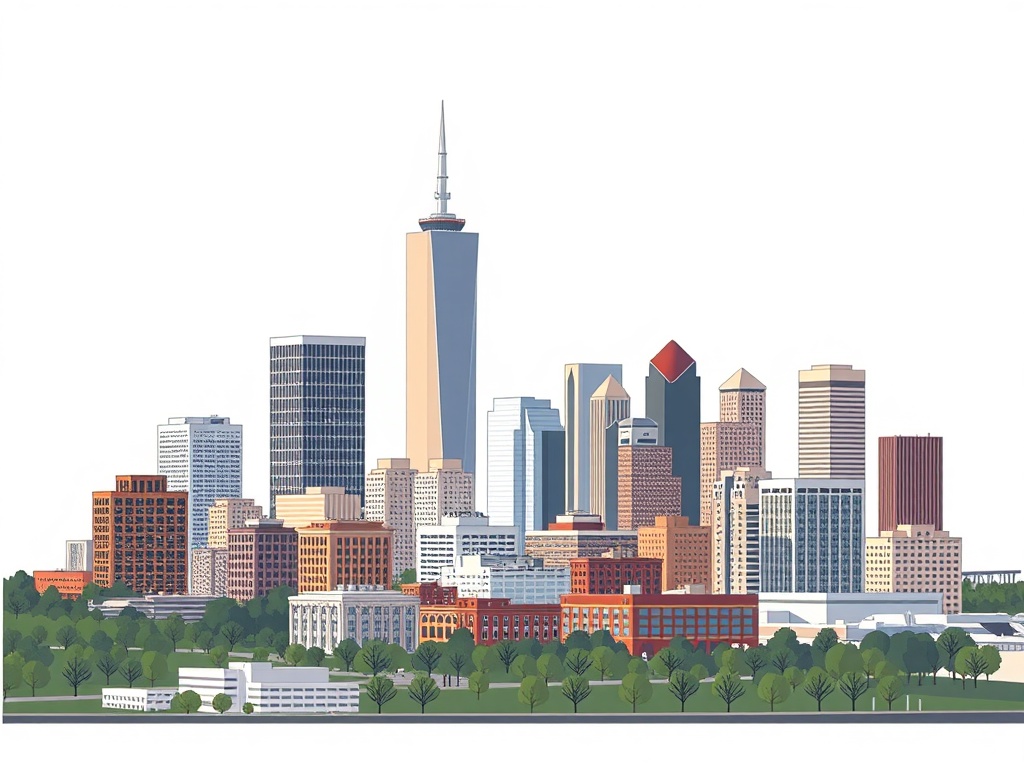
Houston is reinventing itself around resilience, green space and a wildly diverse food and cultural scene. Once known mainly for energy and industry, the city now blends major infrastructure investments with nature-based solutions and a creative urban culture that attracts residents and visitors alike.
Green infrastructure and flood resilience
Houston’s landscape is defined by its bayous. City planners, nonprofits and community groups have shifted from hard engineering alone to a mix of storage, detention and natural approaches. Projects that expand and connect parks along bayous are making stormwater management visible and usable — trails, wetlands and restored riparian zones help slow runoff while creating recreational corridors. Large-scale detention and reservoir improvements, combined with neighborhood-level measures like rain gardens and permeable pavement, reduce pressure on drainage systems.
Nature-based approaches aren’t just about storms.
Urban tree canopy programs, green roofs and street-level landscaping lower summer temperatures and improve air quality. Homeowners and developers are increasingly incorporating resilient building practices and elevating utilities where practical. For residents, staying informed about local flood maps, community resilience plans and available mitigation programs helps protect property and supports broader recovery efforts.
Parks, trails and public space
Buffalo Bayou Park and the expanding network of connected greenways now offer miles of trails for walking, biking and kayaking, linking neighborhoods that were once separated by industrial corridors.
These public spaces host art installations, fitness classes and community events, turning floodplain management into everyday urban amenities. Park improvements near downtown and in rapidly developing neighborhoods emphasize equitable access to green space, aiming to ensure that recreational and health benefits reach diverse communities.
Energy transition and the space economy
Energy remains central to Houston’s identity, but the sector is diversifying.
Traditional oil and gas companies are investing in low-carbon technologies, hydrogen, carbon management and offshore wind support services, while startups and research institutions collaborate on clean-tech innovation.
The presence of the nation’s human spaceflight and research hub brings a steady stream of aerospace activity, contract work and STEM-focused outreach — bolstering a local talent pipeline and attracting companies that feed off the region’s engineering expertise.
Food, culture and neighborhoods
One of Houston’s greatest strengths is its culinary diversity. From high-end tasting menus to humble plates in strip-mall taquerias and Gulf seafood joints, the city showcases cuisines from around the world. Neighborhoods such as Chinatown, Little India, and the international corridors across the city create a mosaic of flavors, while food halls and markets highlight small vendors and emerging chefs. Supporting local restaurants and farmers markets sustains entrepreneurship and keeps the city’s dining scene vibrant.
Getting around and enjoying the city
Houston’s car-centric reputation is changing.
Bike lanes, shared-mobility options and transit upgrades make short trips easier, while park-and-ride corridors and targeted infill development bring amenities closer to people. For visitors, combining a museum district morning with a bayou trail ride and an evening at a neighborhood eatery captures the city’s blend of culture and outdoors.
Looking ahead
Houston’s forward momentum hinges on partnerships among civic leaders, private investors and grassroots organizations. By anchoring growth in resilient infrastructure and inclusive public spaces, the city aims to manage environmental challenges while preserving its entrepreneurial, multicultural spirit. For anyone interested in urban innovation, food exploration or outdoor recreation, Houston offers a living laboratory of how a major city adapts and thrives.