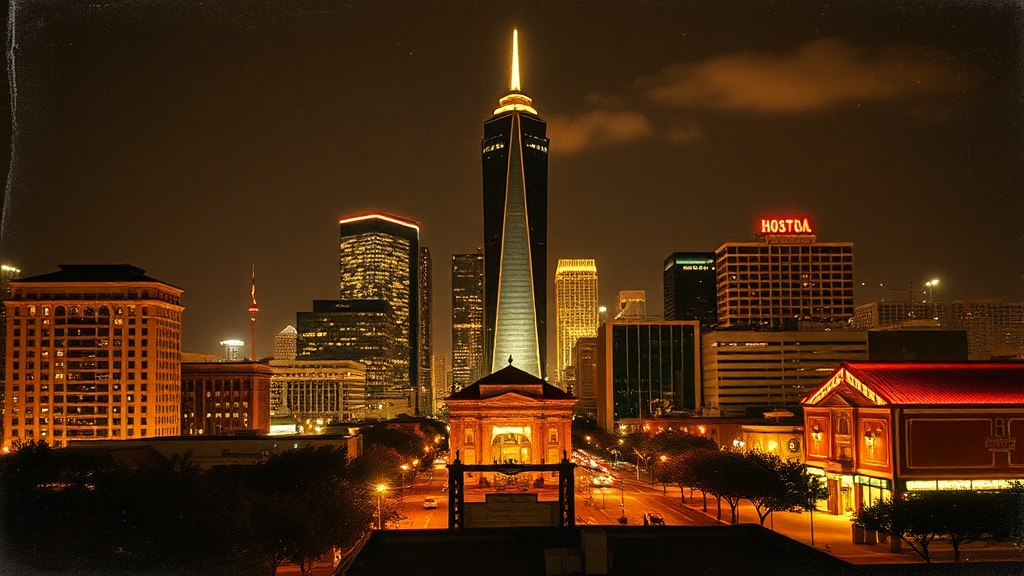
Houston’s growth and Gulf Coast location bring big benefits — cultural vibrancy, a booming economy, and access to the water — but also persistent challenges: flooding and intense heat. The city’s response is becoming a model for how large urban areas can adapt through green infrastructure, community-led projects, and practical homeowner choices.
What the city is tackling
Floods driven by heavy storms and rapid development remain a primary concern. Local efforts focus on giving stormwater more room to move: restoring bayous and creeks, expanding connected trails and green corridors that double as floodplains, and building detention basins and retention areas. Projects that convert concrete channels back into vegetated corridors help slow runoff, improve water quality, and create public spaces, turning risk into amenity.
Heat is another growing issue. Urban heat island effects make built-up neighborhoods considerably hotter than nearby suburbs. The response mixes policy and small-scale action: planting tree canopy in neighborhoods with the greatest need, encouraging cool roof and pavement materials, and developing community cooling centers for people without reliable air conditioning during extreme heat.
What residents can do now
Homeowners and renters play an essential role in resilience.
Practical, cost-effective measures include:
– Assess and reduce flood risk: review local flood maps, elevate utilities and appliances, install flood vents and check-valve systems, and consider a professionally installed backflow prevention device for drains. Sump pumps with battery backup provide an additional safety net.
– Harden smartly, not just heavily: use flood-resistant materials on ground floors, place important items out of basements or ground-level rooms, and create landscaping that absorbs water — for example, rain gardens and native, deep-rooted plants.
– Reduce heat exposure: add shade with trees and awnings, install reflective or light-colored roofing, use window films or insulated curtains, and prioritize energy-efficient HVAC maintenance and filters.
– Prepare for outages: keep a basic emergency kit with water, nonperishable food, batteries, portable phone chargers, and a battery-powered or hand-crank radio.
Know evacuation routes and local alert systems.
Community and city initiatives worth watching
Community-driven tree-planting programs, neighborhood nonprofit partnerships, and volunteer-led bayou cleanups multiply impact. Trail and greenway networks improve connectivity while serving as natural flood buffers and cooling corridors. Advocacy around smarter development — limiting impervious cover, incentivizing on-site stormwater capture, and preserving open space — shapes long-term resilience.
Financing and insurance
Financing resilience projects can come from grants, municipal bonds, and utility programs that incentivize conservation.
Flood insurance remains a critical consideration for many homeowners; for those unable to secure private options, federal programs and community outreach can help clarify coverage choices and mitigation discounts.
A resilient Houston balances immediate protective actions with investments in nature-based solutions and community capacity. Residents who combine practical home measures with neighborhood engagement strengthen both their own safety and the city’s ability to withstand whatever the next storm or heatwave brings. For those looking to get involved, local tree drives, bayou stewardship groups, and neighborhood resilience workshops are effective places to start.