Houston’s green renaissance is reshaping how residents live, move, and enjoy outdoor life. With an expansive network of bayous, parks, trails, and community projects, the city is leaning into nature to boost resilience, recreation, and quality of life.
Why Houston’s green spaces matter
Houston’s layout centers around its bayous—urban waterways that double as recreation corridors and natural drainage.
Efforts to protect and enhance these corridors suit more than aesthetics: they reduce flood risk, improve air and water quality, and create connected routes for walking, biking, and commuting.
For a sprawling metropolis, adding accessible green space translates into healthier neighborhoods and stronger property values.
Standout places to explore
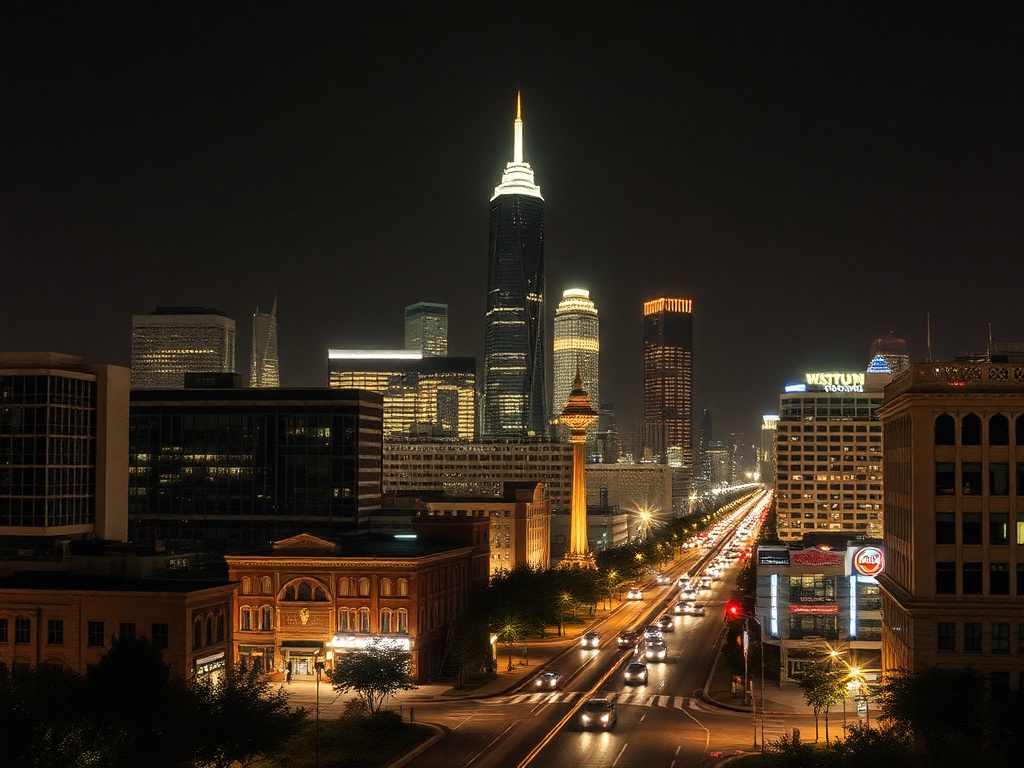
– Buffalo Bayou Park: A signature linear park with trails, dog-friendly areas, public art, and skyline views. Kayak launches and scenic overlooks make it a prime spot for both exercise and sunset photos.
– Memorial Park: One of the largest urban parks in the country, offering running trails, golf, and dense tree canopy perfect for city escapes.
– Discovery Green: A downtown oasis with year-round programming, pop-up markets, and an accessible lawn for concerts and community events.
– Houston Arboretum & Nature Center and Armand Bayou: Quiet pockets for birding, nature walks, and learning about native ecosystems.
How green infrastructure helps the city
From rain gardens and bioswales to widened bayous and native-plant restorations, green infrastructure is a cost-effective complement to traditional pipes and pumps. Vegetation slows storm runoff, allows soils to absorb water, and filters pollutants before they reach creeks and the Gulf. Neighborhood-scale green projects—like permeable sidewalks, tree-lined medians, and pocket parks—also lower local temperatures and reduce energy use during hot months.
Practical tips for residents and visitors
– Go early or later in the day to avoid peak heat and enjoy cooler, quieter conditions. Shade and hydration are essential during humid stretches.
– Pack a reusable water bottle and bug spray for trails near wetlands—mosquitoes can be active after rain.
– Use bike-and-ride options or park at trailheads that connect to public transit to reduce congestion in popular parks.
– Volunteer time or dollars with local organizations that plant trees, maintain trails, and restore native habitats.
Small actions have big cumulative impact.
Support local initiatives
Many nonprofits, neighborhood groups, and business coalitions actively steward Houston’s green network. Contributing to tree-planting campaigns, joining a bayou cleanup, or advocating for complete streets in your neighborhood helps scale improvements beyond any single park. Businesses can also sponsor pocket parks or trail amenities, creating public benefits and stronger community ties.
What to expect going forward
Green space development is moving toward greater connectivity—linking parks, schools, and transit through continuous trails and safe crossings.
Emphasis on native planting, pollinator habitat, and stormwater-friendly design aims to blend recreation with ecological function. For residents and visitors, that means more options for active transportation, outdoor events, and nature-based resilience.
Whether you’re seeking a weekend paddle, a long run under cathedral oaks, or a place to picnic with friends, Houston’s evolving green network offers new ways to experience the city.
Supporting these spaces now ensures healthier neighborhoods, stronger ecosystems, and a more livable city for everyone.