Houston real estate remains one of the most dynamic and opportunity-rich markets in the country.
A broad economy anchored by energy, healthcare, aerospace, shipping, and a growing tech scene keeps steady demand for homes across diverse neighborhoods — from walkable inner-city districts to sprawling suburban master-planned communities. That mix makes Houston attractive to first-time buyers, relocations, and investors looking for rental yield and long-term appreciation.
What buyers are looking for
Buyers are drawn to Houston for relatively affordable pricing compared with other large metros, no state income tax, and strong job centers like the medical complex and the port. Proximity to major employers and transit corridors frequently influences purchase decisions. New construction, infill redevelopment, and updated older homes all compete for attention, with energy-efficient and resilient features increasingly valued for long-term savings and risk mitigation.
Neighborhood snapshots
– The Heights: Character-filled bungalows, walkable retail, and a strong sense of community make this area popular among buyers seeking character and convenience.
– Montrose: Eclectic, arts-forward, and close to museums and nightlife — a good fit for buyers wanting urban living.
– River Oaks and West University Place: Luxury homes and top-rated schools appeal to buyers seeking prestige and private amenities.
– The Museum District and Midtown: Attractive for renters and professionals working downtown or at nearby institutions.
– Suburbs like Katy, Sugar Land, Pearland, and Clear Lake: Offer newer homes, larger lots, and family-oriented amenities for buyers prioritizing space and schools.
Investment themes
Rental demand is robust near large employment hubs and medical institutions, making multifamily and single-family rentals attractive for investors. Redevelopment opportunities abound in older neighborhoods, where replacing or renovating properties can unlock value. Short-term rental potential is strong around major convention and entertainment zones, though local regulations and HOA rules should be checked before listing.
Flooding and resilience considerations
Flood risk is a critical factor in Houston real estate.
Buyers should request elevation certificates, review flood maps, understand local drainage projects, and factor flood insurance into ownership costs. Many buyers now prioritize homes with elevated foundations, impact-resistant windows, and landscaping designed for better stormwater management.
Sellers who invest in resilience upgrades often see improved marketability.
Smart tips for buyers and sellers
– Work with a local agent who knows neighborhood micro-markets and flood history.
– Run a thorough inspection that includes foundation, grading, and drainage evaluation. Houston’s soils and occasional heavy rains mean foundation and drainage issues can be costly.
– Check property tax history and potential exemptions; property taxes are an important ongoing cost.
– For sellers: staging, targeted marketing to nearby employment hubs, and highlighting energy-efficiency or resilience upgrades can accelerate sales and attract stronger offers.
Financing and incentives
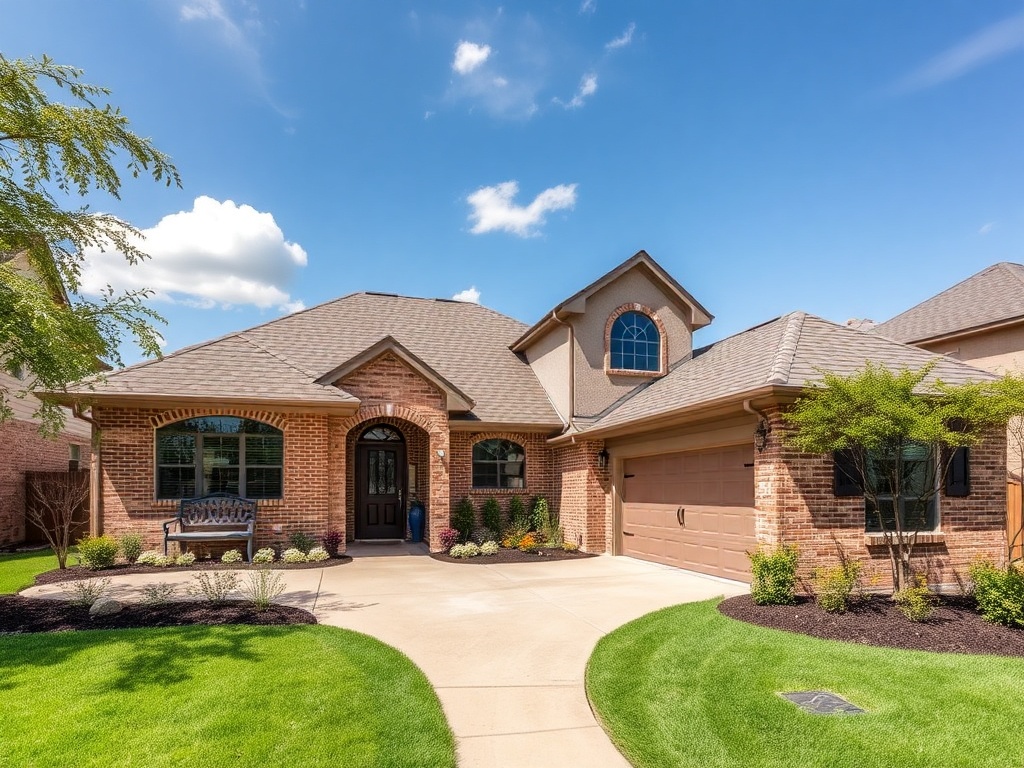
Buyers can find a range of financing options, including conventional loans, government programs, and builder incentives on new construction. Energy-efficient and green-home upgrades may qualify for rebates or favorable financing — a selling point for cost-conscious buyers and investors.
Whether buying, selling, or investing, Houston real estate rewards careful research and local expertise. Understanding neighborhood character, flood risk, long-term employment trends, and holding costs will help you make decisions that align with lifestyle goals and financial priorities. Reach out to a trusted local real estate professional to get market-specific guidance tailored to your plans.