Houston real estate remains a compelling mix of opportunity and complexity.
Strong job growth in energy, health care, life sciences, and logistics continues to fuel demand for housing, while abundant land and a business-friendly climate keep development active across the region.
Buyers, sellers, and investors who understand local dynamics can find value — but success depends on careful attention to neighborhood specifics, flood risk, and financing.
What’s shaping the market
– Job-driven demand: Houston’s diversified economy supports steady housing needs.
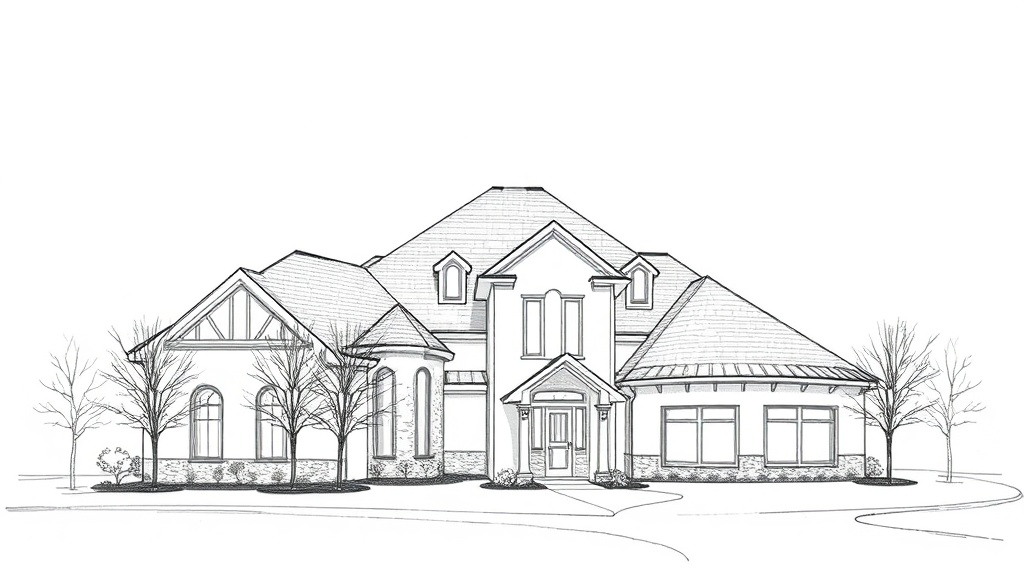
Corporate relocations and expansions, plus growth in medical and technology sectors, are driving demand for both ownership and rental housing.
– Affordability advantage: Compared with many large metros, Houston still offers relatively affordable housing per household income, which attracts first-time buyers and remote workers seeking more space for the same or lower monthly payment.
– Shift in product types: There’s continued interest in suburban single-family homes, while inner-loop neighborhoods and transit-adjacent areas see strong demand for townhomes and condos. Adaptive reuse projects convert underused office space into multifamily or life-science facilities in response to changing commercial patterns.
– Resilience and sustainability: Developers increasingly prioritize flood mitigation, elevated foundations, permeable landscaping, and energy-efficient systems to protect value and appeal to eco-conscious buyers.
Neighborhoods and submarkets to consider
– Inner loop and central neighborhoods (Midtown, Montrose, The Heights): Popular for walkability, nightlife, and established trees; strong resale potential but watch condo supply and HOA rules.
– Memorial and West Houston: Known for top-rated schools and larger lots; desirable for families.
– Suburban nodes (Katy, Sugar Land, The Woodlands area): Offer master-planned communities, good schools, and new construction at competitive price points.
– Bayou-area corridors and greenway-adjacent pockets: Attractive for buyers seeking outdoor amenities and bike-commuting options.
Flood risk and insurance: a critical factor
Houston’s history of major storms makes flood risk a primary consideration. Obtain an elevation certificate or hire a surveyor when evaluating a property. Check FEMA maps, but also look at local floodplain designations and community mitigation investments. Flood insurance premiums vary widely and can materially affect affordability; buyers should factor insurance costs, potential mitigation upgrades, and the availability of buyout or mitigation programs into their decision.
Financing and taxes
Mortgage markets have shifted from a long period of ultra-low rates; financing costs are a major determinant of purchasing power. Buyers should get preapproved, compare lender programs, and consider rate-lock strategies that match their timeline. Texas has no state income tax, which enhances take-home pay, but Harris County and many municipalities rely heavily on property tax revenue; understand local tax rates, exemptions (including homestead exemptions), and how they affect long-term carrying costs.
Tips for buyers, sellers, and investors
– Buyers: Prioritize inspections that cover foundation, drainage, HVAC, and termite risk. Factor in commute times, school zoning, and future rezoning/development plans.
– Sellers: Curb appeal, minor repairs, and professional staging can increase offers quickly. Disclose known flood history and mitigation measures to build trust.
– Investors: Focus on cap rates in industrial and multifamily sectors; logistics near the Port of Houston and interstates remain in demand. Consider converting underperforming commercial assets into residential or life-science uses where zoning allows.
Working with local experts
Partner with an experienced local agent, title company, and lender familiar with Houston’s permitting, floodplain rules, and neighborhood nuances. Their expertise helps navigate inspections, mitigation options, and negotiation strategies that protect your investment.
Houston’s market rewards preparation and local knowledge. Whether buying a starter home, selling for top dollar, or acquiring income property, due diligence on flood risk, financing, and neighborhood trends will position you for a smarter real estate outcome.