Houston’s relationship with water shapes daily life, city planning and the way neighborhoods evolve. As weather patterns shift and development continues, the city is doubling down on resilient, nature-based solutions that reduce flood risk, cool neighborhoods and create lively public spaces.
Nature-first flood mitigation
Houston’s bayous and green corridors are no longer just scenic backdrops — they’re central to a modern flood strategy. Expanding continuous trails, restoring natural channel capacity and adding upstream stormwater detention reduce peak flows downstream while giving residents more parks and walking routes. Restored wetlands and living shorelines also slow runoff and provide valuable habitat for urban wildlife.
Hard infrastructure is still part of the picture. Strategic detention basins, upgraded drainage systems and coordinated watershed planning work alongside green infrastructure to manage extreme rainfall events more effectively. Collaboration among regional agencies, nonprofits and neighborhood groups helps prioritize projects where they’ll protect the most people and property.
What residents can do
Homeowners and renters can make practical choices that lower flood and heat risk and often boost property value:
– Improve drainage: Ensure grading slopes away from foundations, clean gutters regularly and add downspout extensions to direct water into permeable areas.
– Use landscaping to absorb water: Native plants, rain gardens and permeable paving let water soak into the ground instead of running off hard surfaces.
– Protect mechanical systems: Elevate HVAC units, water heaters and electrical panels where possible, or install flood shields for basements and ground-level entries.
– Consider insurance and documentation: Flood insurance can be critical even outside high-risk zones. Keep records of valuable items and maintenance history to streamline claims if needed.
Mitigating urban heat
Tree canopy and green roofs do double duty: they help manage stormwater while cooling neighborhoods that suffer from the urban heat island effect.
Planting shade trees along streets and around homes, adding green cover to commercial buildings and encouraging cool roofing materials are effective, low-tech strategies that reduce energy bills and improve outdoor comfort.
Community benefits and economic opportunity
Investments in resilient green infrastructure attract business, recreation and tourism while safeguarding neighborhoods.
Trail networks that link parks, cultural districts and commercial corridors increase foot traffic to local shops and expand access to transit. Programs that prioritize equity aim to ensure that historically underserved neighborhoods receive resources for tree planting, flood mitigation and community-driven design.
How to get involved
Local volunteer days for bayou cleanups, native planting events and trail maintenance are continuous opportunities to pitch in and learn. Many nonprofits and civic groups offer workshops about flood-proofing homes, native landscaping and applying for residential grants or rebates tied to resilience upgrades.
Looking ahead
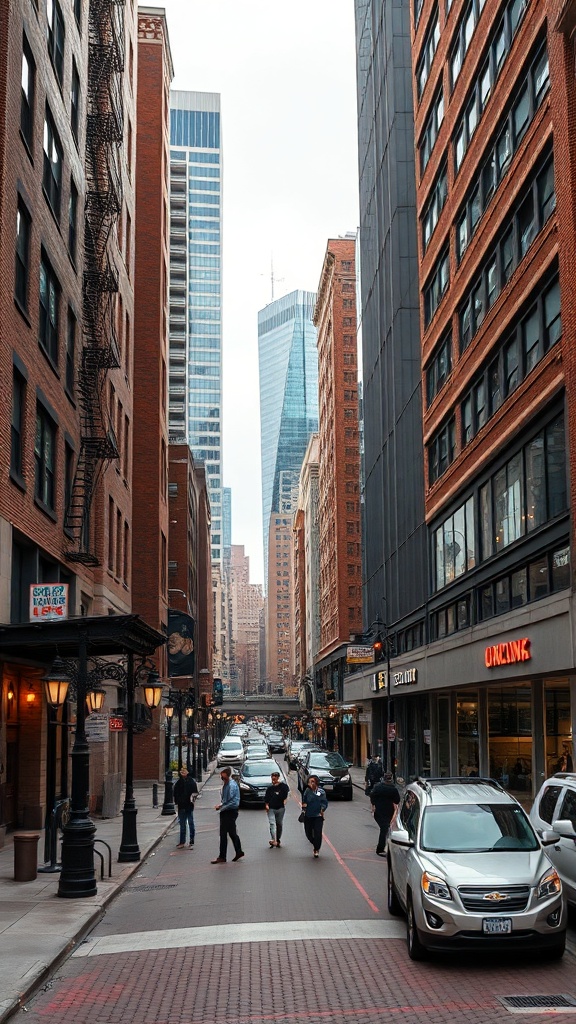
The city continues refining strategies that integrate nature and engineering to protect people, property and the local economy. For residents and property owners, staying informed about neighborhood projects, leveraging available resources and adopting small-scale resilience measures can make a measurable difference. Whether exploring the growing network of bayou trails or upgrading a backyard to absorb stormwater, Houstonians are finding practical ways to live more safely and comfortably with water.