Houston is a city of contrasts: sprawling yet walkable pockets, global cuisine at every price point, an entrepreneurial drive rooted in energy and aerospace, and an ongoing effort to make the city more resilient to the Gulf Coast climate. Whether you’re planning a visit, thinking about moving, or simply curious, these are the key things shaping Houston today.
A food scene that refuses labels
Houston’s culinary identity keeps evolving. Neighborhoods like Midtown, Montrose, the Heights, and Chinatown offer a dizzying range of options—from elevated Tex-Mex and modern Southern tasting menus to Vietnamese pho joints, Gulf seafood shacks, and inventive fusion concepts. Food halls, night markets, and pop-up kitchens are popular ways new chefs test concepts, while longstanding family-run taquerias and bakeries provide authenticity. For visitors, sampling the city’s diversity is easier by seeking out neighborhood crawls rather than sticking to a single downtown corridor.
Neighborhoods that fit different lifestyles
Houston’s lack of formal zoning gives neighborhoods distinctive, mixed-use characters. The Heights blends historic bungalows with walkable shopping corridors and coffee shops; Montrose is arts-forward with galleries and eclectic stores; the Galleria area centers on luxury shopping and high-density living; and southwest suburbs offer quieter streets with larger lots.
When considering a move, factor in commute times, proximity to green space, and access to grocery and medical services—those elements shape daily life more than neighborhood labels.
A growing mix of industry and startups
The city remains a global energy hub while also growing a diverse tech and life-sciences ecosystem. Aerospace and commercial space activity near the Johnson Space Center continues to attract engineering talent and suppliers, while energy companies increasingly invest in clean-tech and grid innovation. Co-working campuses and incubators are common in Midtown and downtown, making it easier for founders to network, raise funding, and test products close to customers and university talent.
Investing in flood resilience and green infrastructure
Flood risk is a defining planning priority.
Public and private initiatives emphasize natural solutions—bayou restoration, expanded greenways, detention basins, and street redesigns that help absorb heavy rainfall. Homebuyers and renters are increasingly attentive to elevation, storm-proof upgrades, and insurance implications. Community-led efforts and municipal projects are aligning to make neighborhoods more resilient without sacrificing access to parks and trails.
Culture, sports, and outdoor life
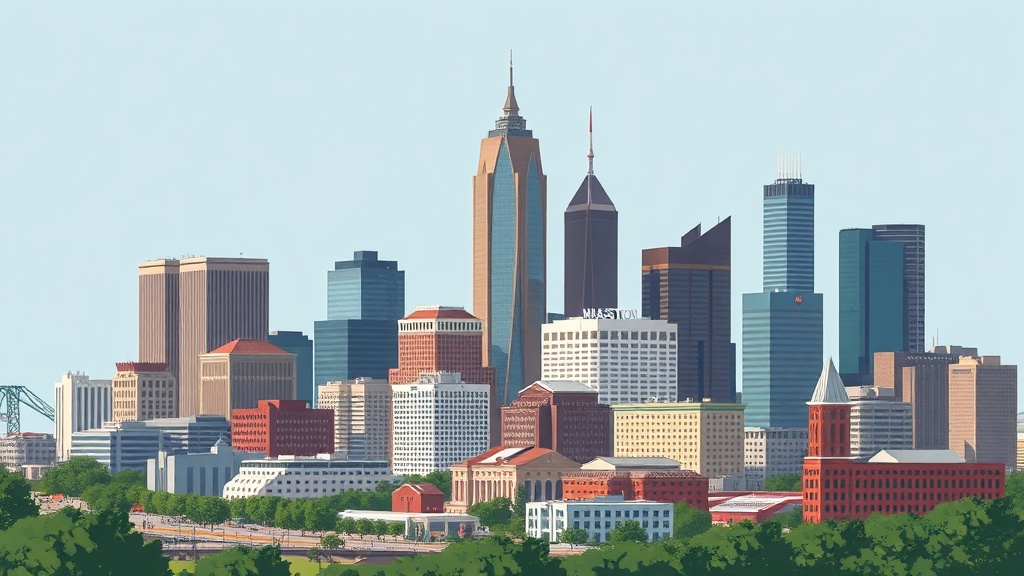
Houston’s museums and live-music venues anchor a rich cultural calendar. The Museum District and independent galleries, along with community theaters and concert halls, keep programming fresh. Sports are a major civic draw, and bayou-side parks like Buffalo Bayou Park and Discovery Green provide accessible green space for walking, kayaking, and events.
For active residents, bike lanes and trail expansions are making short trips more feasible without a car.
Practical tips for newcomers and visitors
– Beat the heat: aim for morning or evening outdoor activities and pick indoor attractions during the hottest part of the day.
– Use neighborhood guides: exploring by neighborhood shows the city’s variety better than a downtown-only itinerary.
– Plan transit carefully: METRO service covers core corridors; rideshare and scooters fill many gaps.
– Check flood risk: for renters and buyers, research property elevation and local mitigation measures.
Houston is a city of continuous reinvention—rooted in industry but fueled by culture, food, and a determined push toward sustainability and resilience.
Whether you’re tasting a new fusion plate, paddling a bayou, or scouting real estate, there’s a forward-looking energy that keeps the city interesting and full of opportunity.