Houston real estate remains a compelling mix of opportunity and nuance for buyers, sellers, and investors.
The metro area’s diverse housing stock — from historic bungalows in the Heights to luxury estates in Memorial and new-townhome developments near employment centers — gives buyers a wide range of choices. At the same time, climate resilience, financing, and local regulations shape transaction strategies more than ever.
Market dynamics and demand
Employment tied to energy, healthcare, aerospace, and the port keeps demand steady, supporting rental markets and single-family home sales in commutable suburbs. Urban core neighborhoods that offer walkability, dining, and entertainment continue to attract young professionals, while families often target areas with strong schools and larger lots. Investors still find opportunity in rental properties because population growth and job diversity keep occupancy levels healthy.
Flood risk and resilience
Flood risk is top of mind for anyone buying in Houston. Prioritizing elevation, drainage, and flood-plain status can save thousands over the life of ownership. Always order a detailed floodplain map check and consider properties with finished living space above the Base Flood Elevation. Home improvement that improves drainage, installs flood vents, and elevates mechanical systems can reduce damage and may lower insurance costs. Local incentive programs and building-code updates encourage resilient construction in higher-risk zones — ask your agent about available grants or buyout programs where applicable.
Foundation and inspection considerations
Houston’s clay soils and occasional extreme weather warrant a thorough foundation inspection.
Look for experienced local inspectors who evaluate slab and pier-and-beam systems, plumbing, and roof coverings. Negotiate repairs or a contingency allowance when issues surface; some sellers will address major concerns pre-sale to maintain marketability.
Financing and affordability
Mortgage rates and underwriting standards affect buyer affordability. Buyers with larger down payments and pre-approval letters tend to win multiple-offer situations in desirable pockets, while cash buyers can leverage speed and certainty. For sellers, staging and professional photography still drive faster closings and often better offers — particularly in the entry and mid-level segments.
New construction vs. resale
New construction appeals to buyers seeking modern layouts, energy efficiency, and warranty protection. Resale homes often offer established landscaping, mature neighborhoods, and renovated character.
Consider lifecycle costs: newer HVAC systems and insulation can mean lower utility bills, while renovated older homes can deliver charm and higher appreciation in certain neighborhoods.
Neighborhoods to watch
Transit-oriented and infill neighborhoods with a mix of retail and housing remain popular. Areas near major employment centers and light-rail corridors benefit from both short-term rental demand and long-term appreciation.
Keep an eye on neighborhoods with planned infrastructure upgrades or adaptive reuse projects — converting underutilized commercial space into multifamily units is reshaping some submarkets and increasing rental options.
Tips for buyers and sellers
– Buyers: get a competitive but realistic offer strategy, prioritize inspections for flood and foundation issues, and build flexibility into closing timelines for permit and survey delays.
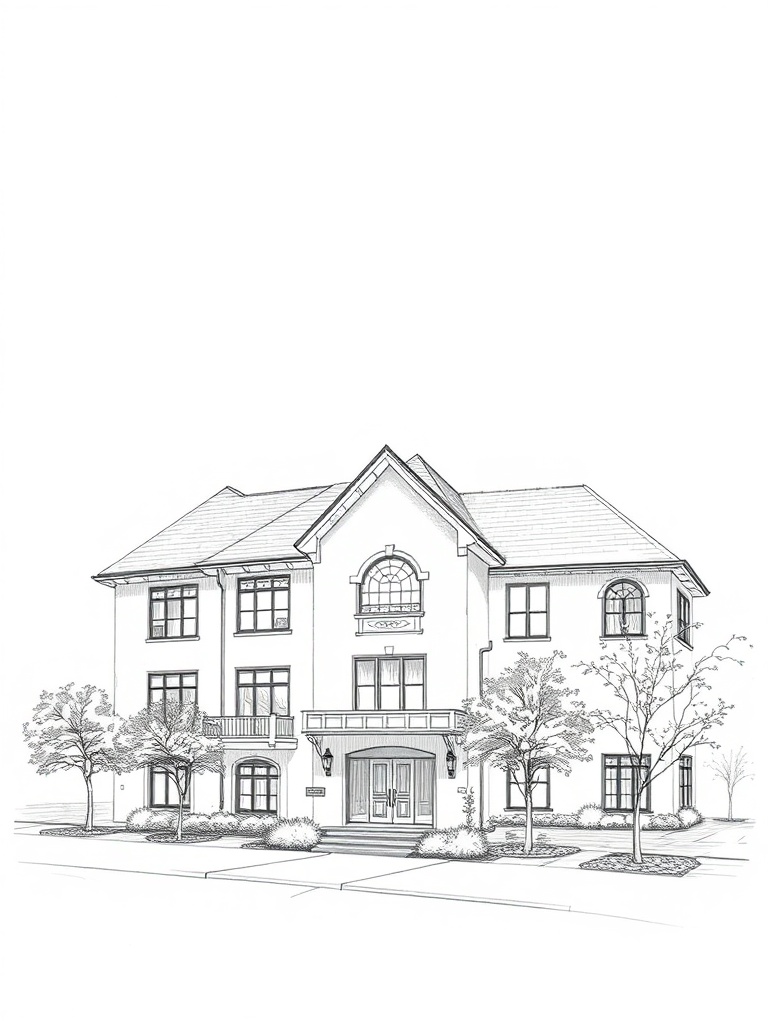
– Sellers: invest in curb appeal and targeted repairs, highlight resilience upgrades and recent mechanical work in listings, and price homes competitively for their submarket.
Working with local experts — an agent familiar with Houston’s micro-markets, a lender who understands local underwriting nuances, and inspectors experienced with regional construction — makes navigating this multifaceted market far smoother.
Whether buying a starter home, upsizing, or investing, thorough due diligence focused on resilience and neighborhood fundamentals will lead to better long-term outcomes.