Oil Industry and the Energy Transition: Strategies That Matter Now
The oil industry sits at a crossroads: it must balance immediate energy security needs with the pressure to reduce greenhouse gas emissions. Major producers and service companies are adapting strategies that lower carbon intensity while keeping global energy systems reliable and affordable. Understanding these shifts is essential for stakeholders across finance, government, and supply chains.
Key decarbonization pathways in the oil industry
– Carbon capture, utilization, and storage (CCUS): CCUS is a cornerstone for reducing emissions from hard-to-abate operations such as refining and some upstream processes. Projects that capture CO2 from flue gases or industrial streams can use the gas for enhanced oil recovery or store it in geological formations. The economics hinge on capture costs, storage availability, and supportive policy mechanisms.
– Low-carbon fuels: Refiners are investing in producing lower-carbon alternatives like renewable diesel, sustainable aviation fuel (SAF), and bio-based feedstocks. These fuels can often plug into existing infrastructure and fleets, providing demand-side emissions reductions in sectors where electrification is difficult.
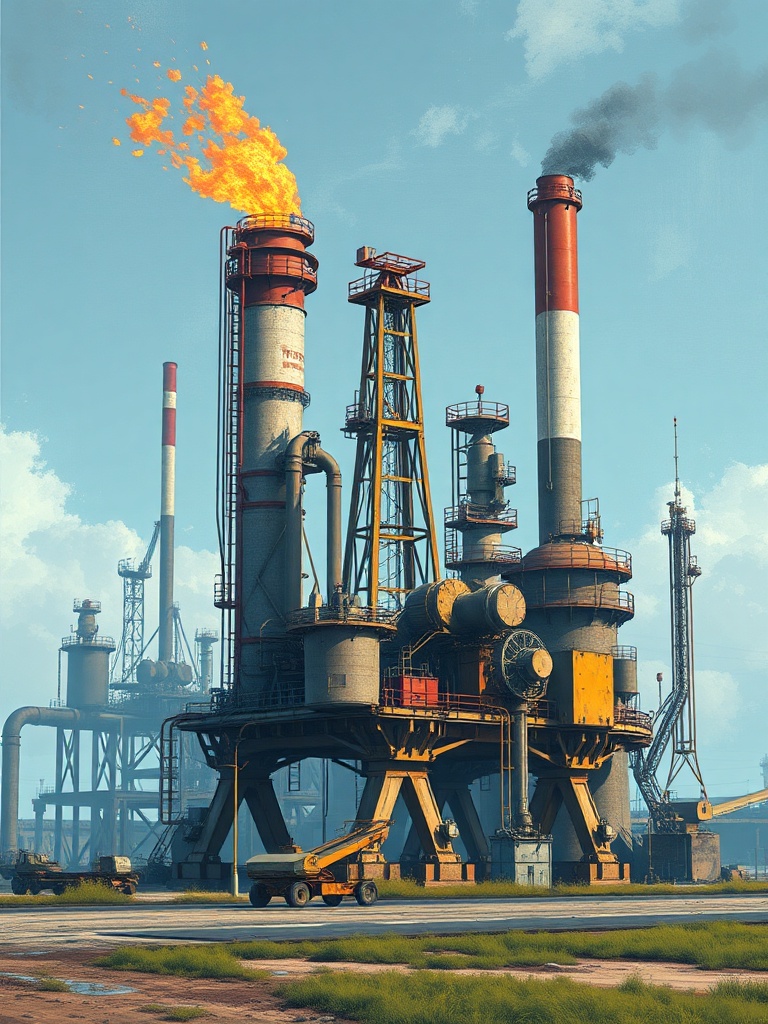
– Hydrogen: Hydrogen — produced either from natural gas with CCUS (low-carbon hydrogen) or from electrolysis using renewable power (green hydrogen) — plays an increasing role as a feedstock and energy carrier.
Oil companies are exploring hydrogen for refining, heavy transport, and industrial heat.
– Methane reduction and flare mitigation: Methane is a potent short-lived climate pollutant.
Deploying advanced leak detection technologies (satellites, drones, continuous monitors), fixing high-emitters, and minimizing flaring are cost-effective steps that lower emissions and can improve operational efficiency.
– Electrification and energy efficiency: Electrifying field operations, using onshore power for offshore platforms, and retrofitting processes for higher efficiency reduce fossil fuel consumption on-site. Digitalization — predictive maintenance, optimized scheduling, and real-time process control — enhances these gains while reducing costs.
Investment, policy, and risk management
Investor expectations and regulatory environments influence strategy. Capital allocation decisions increasingly factor in transition risk, carbon pricing, and disclosure requirements. Companies that integrate scenario planning and set credible emission reduction targets tend to unlock better access to capital and reduce stranded-asset risks.
Policy support — such as incentives for CCUS, mandates for SAF blending, or standards for methane emissions — can accelerate private investment.
Meanwhile, transparent reporting aligned with widely accepted frameworks helps build stakeholder trust.
Challenges and trade-offs
Transitioning operations involves trade-offs. CCUS requires suitable geology and significant up-front investment.
Scaling biofuels and hydrogen competes with agricultural land and requires considerable renewable power for green hydrogen. Energy security concerns sometimes necessitate continued use of hydrocarbons during the transition, which creates tension between short-term supply needs and long-term climate goals.
Opportunities for competitive advantage
Companies that pursue integrated strategies — combining emissions reduction, new low-carbon product lines, and operational efficiency — create resilient business models. Partnerships across sectors (utilities for renewable power, aviation for SAF off-take, and governments for storage permits) de-risk projects and accelerate deployment.
What stakeholders should watch
– Progress on methane monitoring and enforcement
– Expansion of CCUS projects and the emergence of CO2 transport and storage hubs
– Commercial scale-up of SAF and hydrogen supply chains
– Policy signals such as incentives, carbon pricing, and blending mandates
– Investor capital flows toward lower-carbon projects
The oil industry’s role in the broader energy transition is pragmatic: deliver reliable energy while lowering emissions intensity. Actions that reduce operational footprints, diversify product offerings, and align incentives across the value chain will shape which companies thrive as markets evolve.