How the Oil Industry Is Adapting to a Changing Energy Landscape
The oil industry is navigating a complex mix of market shifts, regulatory pressure, and technological change. Demand patterns are evolving as electrification of transport accelerates, while petrochemical growth and global energy needs keep crude oil central to the energy mix. Companies that combine operational efficiency, emissions reduction and strategic diversification are best positioned to thrive.
Key trends reshaping the sector
– Demand segmentation: Transportation electrification is reducing demand growth for light transport fuels in many markets, but demand for jet fuel and heavy transport remains resilient.
Meanwhile, petrochemicals represent a growing and higher-margin end-use for crude oil and natural gas liquids.
– Decarbonization pressure: Investors, regulators and customers increasingly expect credible pathways to lower greenhouse gas intensity across operations and products.
Scope 1 and 2 emissions reduction, plus addressing methane releases, are top priorities.
– Digital and operational transformation: Remote monitoring, predictive maintenance, and advanced analytics are improving uptime and lowering operating costs across upstream and downstream activities.
– Geopolitical and supply chain volatility: Regional conflicts, sanctions and shipping disruptions continue to influence price volatility and the need for inventory and logistical flexibility.
Practical strategies for oil companies
– Focus on feedstock and product flexibility: Refineries that can shift feedstocks and optimize lighter versus heavier product slates capture margin opportunities as regional demand mixes change.
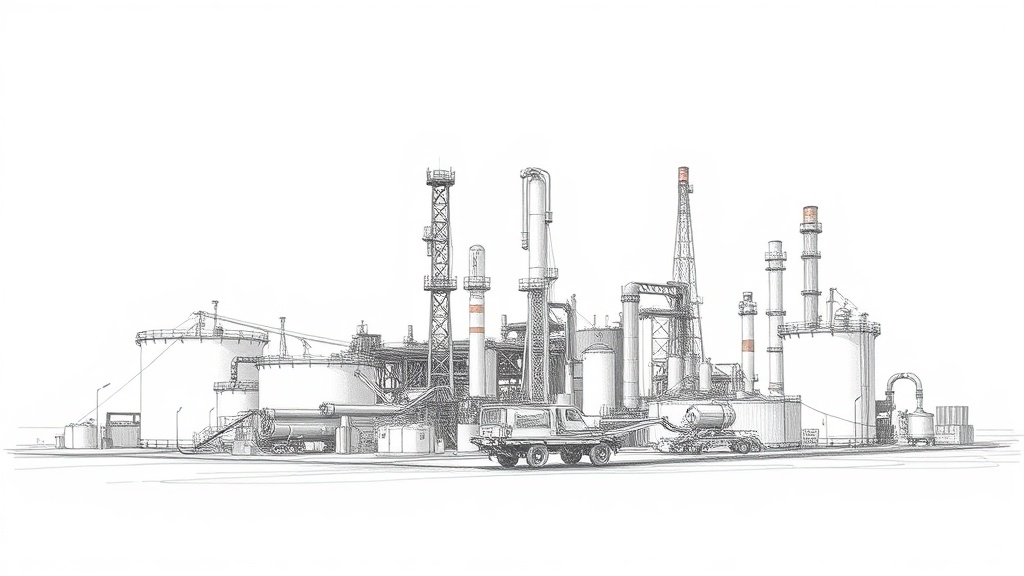
Investing in conversion units and co-processing technologies keeps downstream assets competitive.
– Accelerate methane reduction and emissions transparency: Rapid detection (satellite, drone and continuous monitoring) and targeted repairs deliver immediate emissions reductions and reduce regulatory risk. Transparent, third-party-verified reporting builds investor and customer trust.
– Expand into higher-growth product lines: Petrochemicals, sustainable aviation fuels, and advanced lubricants often offer better margins and longer-term demand. Strategic partnerships with chemical companies and investments in catalytic technologies can unlock value.
– Position for low-carbon fuels and CCS: Investments in sustainable fuels, hydrogen infrastructure, and carbon capture and storage create optionality.
Prioritize projects with clear pathways to commercialization and supportive policy frameworks.
– Embrace digitalization for cost and safety gains: Predictive maintenance, digital twins and automated operations reduce downtime, lower safety incidents and optimize capital expenditure. Cybersecurity must scale alongside digitization efforts.
– Strengthen supply chain resilience: Diversified shipping routes, flexible storage strategies and robust supplier relationships mitigate disruption risk. Scenario planning and stress testing of logistics networks should be routine.
Investor and policy implications
Capital allocation is becoming more outcome-driven.
Investors reward clear, measurable decarbonization milestones and disciplined capital spending. Policymakers are focusing on emissions standards, methane rules and incentives for low-carbon fuels and hydrogen production. Companies that align investment plans with realistic policy trajectories can access incentives and reduce regulatory friction.
Opportunities for service providers and technology firms
Service vendors that offer rapid emissions detection, modular carbon capture systems, advanced catalysts for bio-co-processing, and digital operation platforms are in high demand. Deployable solutions that show quick returns and lower operational risks will see strong uptake.
Navigating uncertainty with agility
The industry faces an uncertain but manageable future. Companies that prioritize flexibility—operationally, product-wise and financially—while delivering verifiable emissions reductions will maintain competitiveness. Strategic diversification into adjacent industries, coupled with disciplined cost and capital management, creates durable value even as the global energy picture continues to evolve.