Houston real estate remains a study in contrasts: a market large enough to support diverse opportunity yet local enough that neighborhood-level factors can dramatically change outcomes.
Currently, buyers, sellers, and investors are navigating a landscape shaped by job growth in energy and healthcare, steady population inflow, evolving floodplain science, and changing preferences for how people want to live and work.
Affordability and demand
One of Houston’s long-standing advantages is relative affordability compared with other major metropolitan areas. That affordability attracts first-time homebuyers and relocations tied to corporate expansions.
Demand is strongest inside the Inner Loop and in walkable neighborhoods that combine transit access with restaurants and parks, but fast-growing suburbs continue to attract families seeking larger yards and newer schools. For investors, persistent rental demand supports buy-and-hold strategies, while build-to-rent projects are gaining ground as developers respond to long-term renter preferences.
Flood risk and resilience
Flood risk remains a pivotal factor shaping buying decisions and development patterns. Buyers increasingly prioritize properties that have been elevated, retrofitted, or built above mapped floodplains. Municipal and regional investments in drainage, detention basins, and buyout programs are reshaping low-lying neighborhoods; checking FEMA flood maps, local elevation data, and the availability of flood insurance coverage is essential for any purchase.
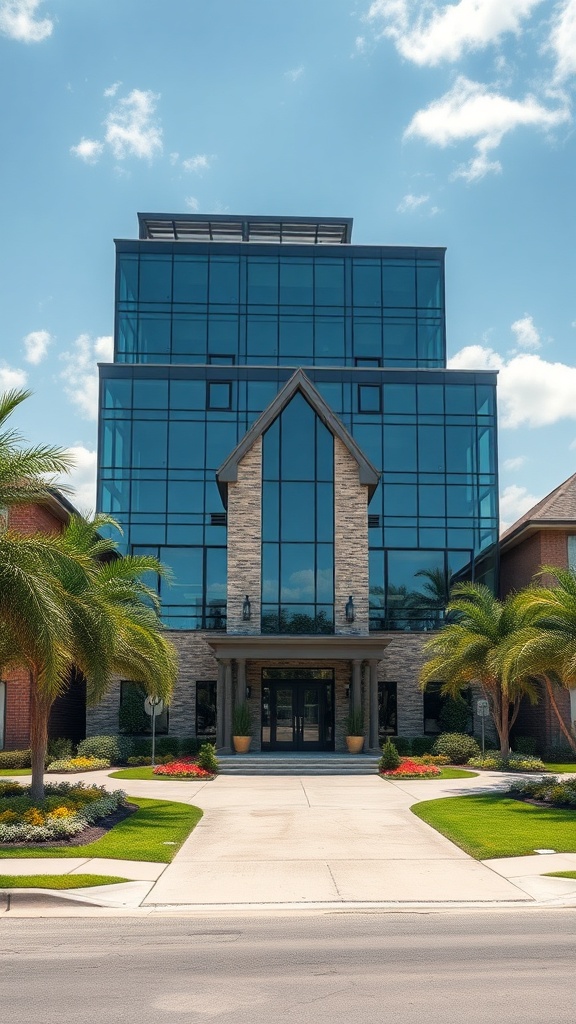
Well-documented mitigation measures can also be a selling point, helping properties stand out in areas with perceived risk.
New construction and mixed use
Developers are focusing on mixed-use projects that blend residential, retail, and office space to create 24/7 neighborhoods.
Multifamily construction continues to target transit corridors and employment hubs, while single-family infill and townhome projects fill gaps in established neighborhoods. Energy-efficient building practices and smart-home features are increasingly expected, and properties with modern systems and low operating costs often command premium interest from buyers and renters.
Commercial and industrial demand
Houston’s port facilities and central logistics position keep industrial real estate active. Demand for warehouses, last-mile distribution centers, and cold storage aligns with broader e-commerce growth.
Office markets are stabilizing as employers balance hybrid work models with a need for collaboration space; flexible leasing and amenity-rich buildings are attracting tenants who want to reintroduce employees to the office while supporting remote work.
What buyers, sellers, and investors should focus on
– Buyers: Get a comprehensive inspection that includes flood risk; confirm insurance options and ongoing costs; prequalify for financing to strengthen offers.
– Sellers: Highlight recent upgrades, energy efficiency, and any flood-mitigation work; stage spaces to show flexible use for remote work or multigenerational living.
– Investors: Look for neighborhoods with strong rental fundamentals, proximity to transit and employment centers, and properties where value-add renovations can increase yields.
Neighborhood selection matters more than ever
Because Houston’s market varies dramatically by neighborhood, micro trends matter. Proximity to major employers, quality of local schools, commute times, and resiliency investments can outperform broad market expectations. Working with agents who understand local flooding history, permit trends, and neighborhood zoning can mean the difference between a good investment and an expensive lesson.
Whether purchasing a first home, selling, or evaluating investment properties, staying informed about flood risk, infrastructure projects, and local employment drivers will produce better decisions. Thoughtful due diligence and an eye for long-term livability remain the best strategies for success in Houston real estate.