How the Oil Industry Is Adapting: Decarbonization, Digitalization, and Resilience
The oil industry remains central to the global energy mix while facing pressure to reduce emissions, improve efficiency, and adapt to shifting demand patterns. Companies that balance near-term production needs with long-term sustainability are attracting capital and positioning themselves for stability as markets evolve.
Decarbonization strategies that move the needle
Oil producers are focusing on measurable emissions reductions across the value chain. Priority actions include:
– Methane management: Detecting and repairing leaks with advanced sensing and continuous monitoring is one of the fastest ways to cut upstream greenhouse gas emissions.
– Flaring reduction: Replacing routine flaring with capture, reinjection, or on-site utilization reduces CO2 and improves resource recovery.
– Low-carbon products and services: Some operators are investing in lower-carbon fuels, biofeedstocks, and hydrogen-ready infrastructure to diversify revenue while reducing lifecycle emissions.
– Carbon capture and storage (CCS): Deploying CCS at scale for industrial sites and heavy refining operations helps reconcile continued hydrocarbon use with climate commitments.
Digitalization for operational efficiency
Digital tools are unlocking productivity gains and safety improvements across exploration, production, and refining:
– Predictive maintenance: Machine learning models and real-time telemetry reduce unplanned downtime and extend asset life by predicting failures before they occur.
– Automation and robotics: Remote operations and robotic inspections lower risk in hazardous environments and support more efficient field operations.
– Advanced analytics: Integrating seismic, production, and supply-chain data enables faster decisions on well performance, logistics, and capital allocation.
Supply chain resilience and energy security
Geopolitical uncertainty and market shocks have underscored the importance of resilient supply chains. Effective strategies include:
– Diversified logistics: Multiple transportation routes and storage hubs help mitigate local disruptions and seasonal bottlenecks.
– Localized content and partnerships: Strengthening regional supplier bases improves flexibility and community relations.
– Strategic reserves and flexible contracting: Blending long-term agreements with spot-market agility offers protection during rapid demand swings.
Investor and stakeholder expectations
Investors increasingly evaluate oil companies on both financial returns and environmental, social, and governance (ESG) performance. Transparent emissions reporting, credible transition plans, and capital allocation that balances dividends with low-carbon investments are central to maintaining access to capital.
Workforce transformation
The skills mix required in the oil industry is shifting. Technical roles now often require familiarity with data science, automation, and remote operations alongside traditional petroleum engineering. Upskilling and targeted hiring support both productivity and safer operations.
Opportunities and challenges ahead
The industry has clear opportunities to reduce costs, lower emissions, and open new revenue streams. However, challenges remain: developing reliable low-carbon technologies at scale, securing long-term financing for transition projects, and navigating fluctuating demand. Companies that plan holistically—aligning operational improvements with strategic investments in low-carbon pathways—are best positioned to thrive.
Practical steps for companies
– Set measurable, verifiable emissions targets across scopes and report progress transparently.
– Implement digital pilots that scale quickly and deliver clear ROI.
– Invest in methane detection and flare elimination programs as priority emissions reductions.
– Engage local partners to build more resilient supply chains and workforce pipelines.
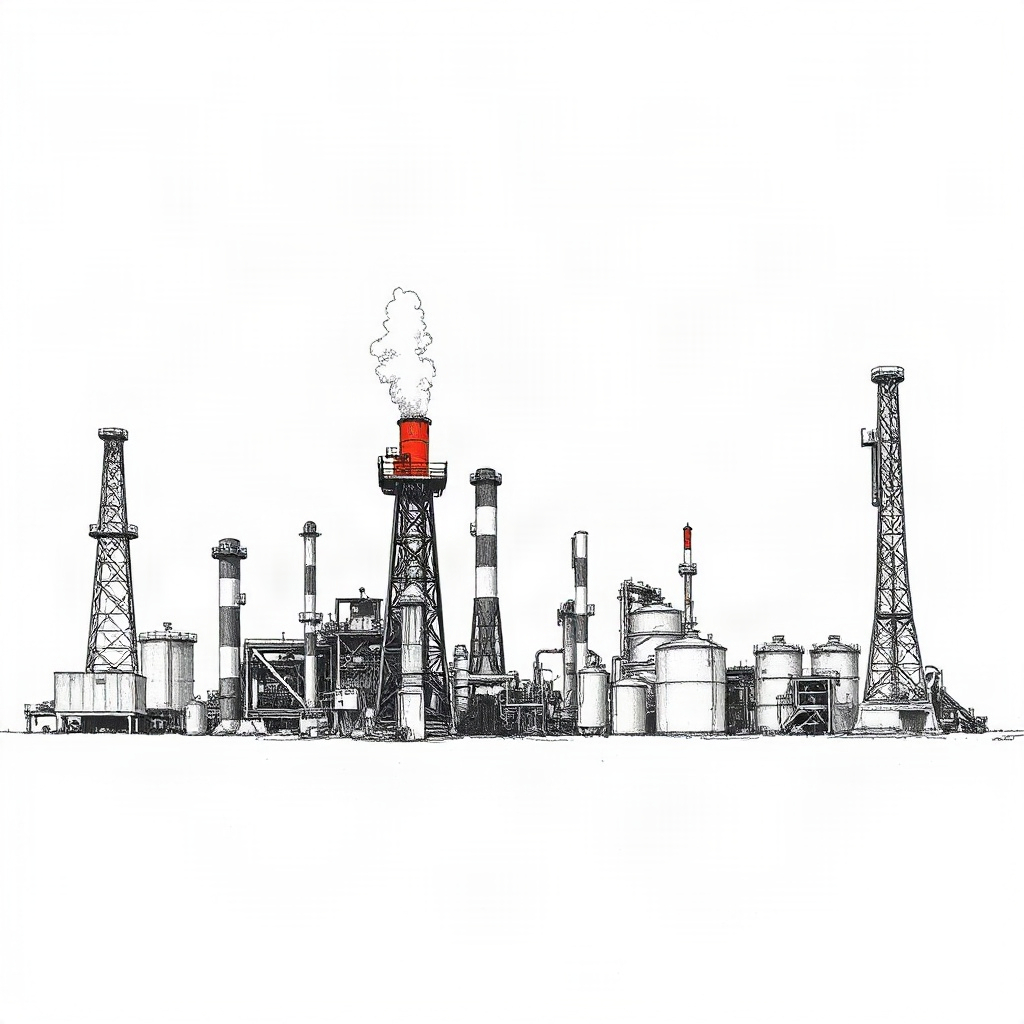
Balancing immediate energy needs with the drive toward lower emissions defines the industry’s near-term trajectory.
Those that combine operational excellence with credible decarbonization plans can sustain profitability while responding to evolving market and societal expectations.