How the Oil Industry Is Adapting: Decarbonization, Technology, and Market Realities
The oil industry is navigating a complex landscape: persistent global demand for liquid fuels, stronger regulatory pressure, investor focus on emissions, and rapid technological change. Companies that balance reliable production with measurable emissions reductions are best positioned to compete. Key strategies center on carbon capture and storage (CCS), methane management, electrification of operations, and digital tools that improve efficiency across the value chain.
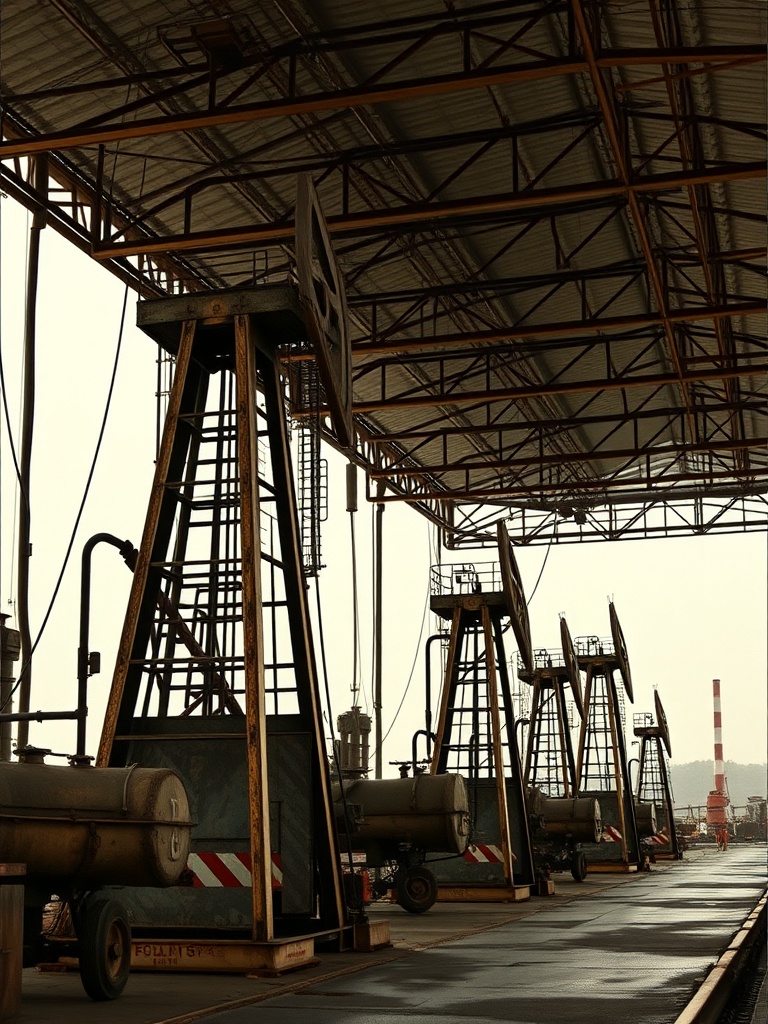
Carbon capture, utilization and storage (CCUS)
CCUS has evolved from pilot projects to a core strategy for lowering upstream and refining emissions. Operators are pairing carbon capture with enhanced oil recovery (EOR) to monetize CO2 while storing it permanently underground.
Capture technology at refineries and gas-processing plants targets concentrated CO2 streams, which are most cost-effective to treat. Progress requires robust permit frameworks, transportation infrastructure, and transparent accounting to ensure captured CO2 is not double-counted.
Methane detection and control
Methane is a short-lived but potent greenhouse gas, and controlling emissions offers rapid climate benefits and product-value recovery. New detection methods—satellite imagery, aerial surveys with drones, and ground-based continuous monitoring—enable operators to find and fix leaks faster. Regulatory regimes and voluntary reporting frameworks increasingly require verifiable methane intensity metrics across assets and third-party verification is becoming standard practice.
Electrification and fuel-switching
Electrifying drilling rigs, pumps and compression units reduces onsite combustion emissions when electricity comes from low-carbon sources. Operators are integrating renewables, microgrids and battery storage at remote sites to lower diesel dependence. Fuel-switching strategies—such as using low-carbon hydrogen or biogas for onsite heat—offer additional pathways for emissions reduction, particularly in areas with access to decarbonized power or hydrogen infrastructure.
Digitalization and operational efficiency
Digital twins, IoT sensors and predictive analytics drive step-changes in uptime and fuel efficiency. Real-time optimization of fleet logistics, drilling parameters and refining processes reduces fuel burn and flaring.
Predictive maintenance lowers unplanned downtime and avoids emissions spikes. Digital tools also facilitate accurate Scope 1, 2 and 3 emissions tracking, enabling clearer corporate reporting and targeted reduction plans.
Product innovation and low-carbon fuels
Producers are diversifying product portfolios with lower-carbon fuels: certified low-emission crude, fuels blended with bio-components, and hydrogen derivatives. Cradle-to-gate carbon intensity labeling, verified by independent auditors, gives downstream buyers a way to procure lower-impact feedstocks and supports premium pricing for lower-carbon products.
Challenges and enabling conditions
Scaling these solutions depends on supportive policy (including carbon pricing or credits that reflect permanence), capital allocation aligned with decarbonization goals, and cross-sector infrastructure such as CO2 pipelines and reliable grid connections in production regions. Workforce reskilling and clear ESG reporting standards help maintain social license and investor confidence.
Opportunities for stakeholders
– Operators should prioritize the highest-impact measures first: methane detection and repair, electrification of high-emission equipment, and targeting CCS where capture costs are lowest.
– Investors can drive change by demanding transparent emissions metrics and supporting projects with clear, independent verification.
– Regulators can accelerate deployment with standardized accounting rules, incentives for durable storage, and streamlined permitting for shared infrastructure.
The oil industry’s pathway forward blends traditional strengths—engineering, logistics and capital—with emerging low-carbon technologies.
Companies that adopt rigorous measurement, prioritize near-term methane and combustion reductions, and invest strategically in CCUS and electrification can reduce risk, enhance value, and remain competitive as markets evolve.