How the Oil Industry Is Adapting to a Lower-Carbon World
The oil industry is navigating a complex landscape shaped by shifting demand patterns, tighter emissions expectations, and rapid technological change. Companies that balance operational efficiency with a credible decarbonization pathway are more likely to retain investor support, win contracts, and meet tightening regulatory requirements. Here’s how industry leaders are responding and what strategies are proving effective.
Shifting focus: value over volume
As energy markets evolve, the emphasis is moving from pure volume growth to maximizing value from existing assets. Refiners are boosting margins by capturing higher-value products—especially petrochemicals—while optimizing feedstocks. Upgrading older refineries and integrating downstream operations helps improve returns without proportionally increasing greenhouse gas output.
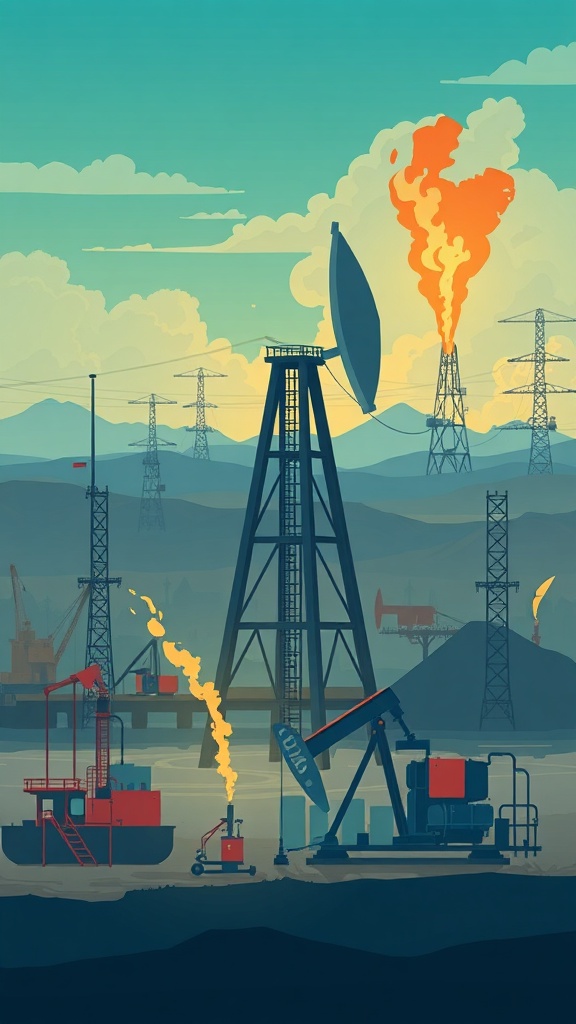
Decarbonization strategies that move the needle
Multiple approaches are being deployed to reduce the carbon intensity of oil operations:
– Energy efficiency and electrification: Replacing gas-fired onsite power with grid electricity where the grid is cleaner, and electrifying processes such as pumping and compression, cuts emissions and operating costs over time.
– Methane detection and repair: Advanced sensors, drones, and continuous monitoring systems enable rapid detection and repair of methane leaks, delivering immediate emissions reductions and economic gains through saved product.
– Carbon capture, utilization, and storage (CCUS): Storing CO2 underground or using it to enhance oil recovery gives operators a way to manage emissions from hard-to-abate processes. Strategic siting, strong monitoring, and clear liability frameworks increase project viability.
– Low-carbon fuels and hydrogen: Producing low-carbon hydrogen onsite and supplying it to refining processes or export markets helps decarbonize heavy industrial loads. Co-processing bio-feedstocks in refineries reduces net lifecycle emissions of transportation fuels.
Digitalization and operational resilience
Digital twins, advanced analytics, and predictive maintenance reduce downtime, lower costs, and minimize emissions intensity. Real-time data streams improve decision-making across drilling, production, and logistics. Supply chain resilience has become a priority: flexible contracting, multi-sourcing of critical equipment, and increased warehouse redundancy shorten lead times and reduce exposure to geopolitical disruptions.
Investment and portfolio diversification
Many energy companies are rebalancing capital allocation toward lower-emission assets and non-combustion businesses such as petrochemicals, power, and energy services. Strategic joint ventures and asset swaps unlock capital for decarbonization projects while sharing technical and financial risk.
Transparent disclosure of emissions and climate-related risk attracts long-term investors and reduces capital costs.
Regulatory and stakeholder engagement
Operating successfully requires proactive engagement with regulators, communities, and customers. Establishing clear pathways for permitting CCUS sites, participating in industry methane-reduction initiatives, and collaborating on regional low-emission hydrogen hubs help shape practical policy.
Robust, third-party-verified sustainability reporting builds trust and minimizes greenwashing claims.
Practical steps for companies
– Conduct a carbon-intensity audit to identify highest-impact interventions.
– Prioritize quick wins: methane mitigation, efficiency upgrades, and operational electrification.
– Pilot CCUS and low-carbon hydrogen projects in clusters to leverage shared infrastructure.
– Invest in digital monitoring and predictive maintenance capabilities to optimize assets.
– Align financing strategies with measurable decarbonization milestones to access lower-cost capital.
The path forward blends pragmatic operations with strategic innovation.
Companies that reduce emissions while preserving profitability and ensuring supply reliability will be better positioned to thrive as global energy systems continue to evolve.