Houston’s bayous have long been the city’s defining arteries — now they’re also its backbone for recreation, climate resilience, and community revitalization. A growing emphasis on green infrastructure and bayou-focused public space has transformed long-neglected waterways into parks, trails, and natural flood buffers that benefit neighborhoods across the region.
Why the bayou movement matters
Houston is famously water-rich and flat, which makes stormwater management a constant challenge. Rather than relying solely on gray infrastructure, local planners and community groups are turning to nature-based solutions: restoring wetlands, widening floodplains, and reconnecting natural waterways to absorb and slow runoff. These approaches reduce flood risk, improve water quality, and create habitat — while also giving residents new places to walk, bike, kayak, and gather.
What you can experience
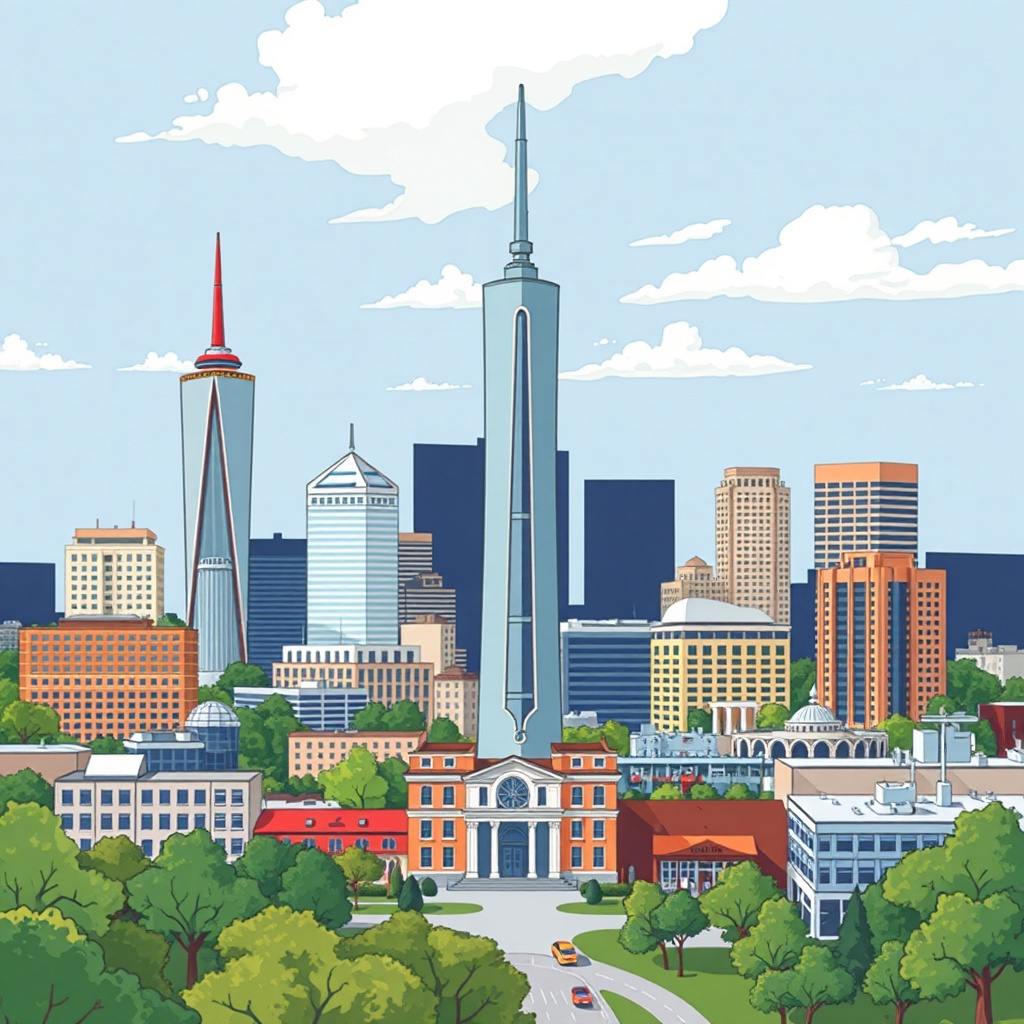
Stretching miles through the city, continuous greenway trails now link major parks, commercial corridors, and residential areas. Highlights include restored waterfronts with native plantings, pedestrian bridges, art installations, and amenities like benches, playgrounds, and fitness stations. Buffalo Bayou Park stands out for its skyline views, miles of trails, and opportunities for paddling and public events.
Smaller neighborhood projects bring pocket parks and rain gardens that make urban streetscapes cooler and safer.
Community and economic benefits
Bayou revitalization projects often rely on public-private partnerships, bringing city agencies, nonprofits, foundations, and local businesses together. The result is increased property values, new small businesses along trailheads, and broader access to outdoor recreation for residents who historically lacked nearby parks. Importantly, equitable planning and community engagement are central to ensuring that benefits reach diverse neighborhoods rather than accelerating displacement.
Climate resilience through design
Nature-based infrastructure absorbs and detains stormwater, reducing peak flows that overwhelm sewers and streets. Restored wetlands and vegetated buffers trap sediment and filter pollutants, improving the health of receiving waters. Engineers are blending these natural systems with targeted structural improvements — daylighting buried streams in some places, elevating critical pathways in others — to create a layered approach to resilience that can adapt as weather patterns shift.
How to enjoy the greenways responsibly
– Check local trail maps and water-level advisories before heading out; conditions can change quickly after heavy rain.
– Choose sturdy footwear for muddy stretches; many trails include natural surfaces.
– If kayaking, wear a life jacket and confirm put-in points are open; guided rentals are available at several hubs.
– Use bike-share or park at designated lots to avoid congesting residential streets.
– Respect wildlife and keep the greenways clean by packing out trash and minimizing noise around nesting areas.
Getting involved
Neighborhood associations and volunteer groups regularly organize cleanups, tree plantings, and stewardship days. Supporting these efforts bolsters both community ties and the long-term maintenance of green spaces. Advocacy for continued funding and equitable planning also helps ensure future projects prioritize neighborhoods that need them most.
The evolving network of parks and bayou trails is reshaping how Houston lives with water: providing recreation, improving public health, and creating a more resilient urban landscape. Whether you’re a resident or a visitor, exploring the greenways offers a way to enjoy the outdoors while seeing firsthand how cities can build stronger, more connected communities around their natural systems.