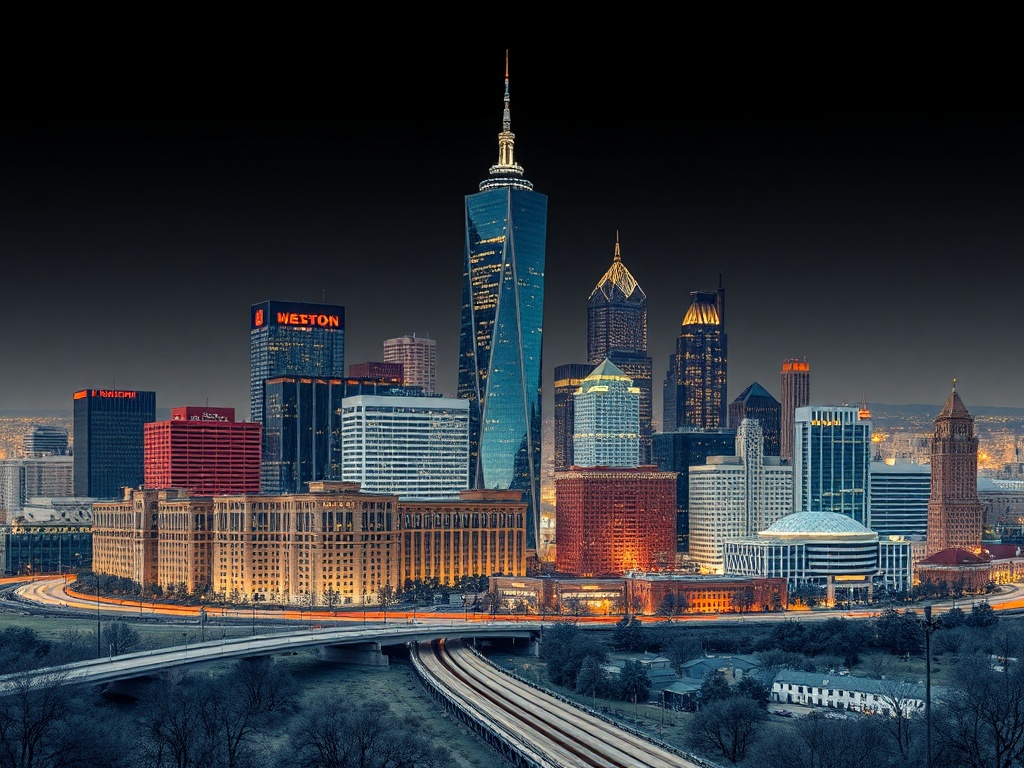
Houston’s bayous are rewriting the story of urban life—turning waterways once seen primarily as drainage channels into living corridors that boost recreation, resilience, and property values. For anyone curious about the city’s future or searching for great outdoor escapes, the bayou network is where Houston’s green comeback is most visible.
What’s happening along the bayous
City leaders, nonprofit groups, and neighborhood advocates have been working together to expand and connect parkland along Houston’s bayous.
This effort prioritizes multiuse trails, native-plant restoration, stormwater management, and public access.
The result is a greener, more walkable city where people can bike to work, paddle at dawn, and enjoy public art without getting in a car.
Top spots to experience
– Buffalo Bayou Park: A signature urban oasis featuring trails, skyline views, kayak launches, and rotating public art. It’s a favorite for morning runs and weekend family outings.
– Memorial Park: One of the largest urban parks, with both athletic facilities and quiet natural sections that link to creekside paths.
– Hermann Park: Close to the Museum District, this park combines cultural destinations with peaceful bayou-side walks.
– Neighborhood bayou trails: Local stretches across the city are increasingly connected by greenways, making short commutes scenic and safe.
Why it matters for resilience
Bayou restoration does more than create pretty spaces. Reintroducing wetlands, widening floodplains, and adding bioswales improves stormwater absorption and slows runoff during heavy rains. That translates to reduced flooding risk for adjacent neighborhoods and lower strain on aging drainage infrastructure. Combining nature-based solutions with upgraded stormwater systems is a cost-effective way to increase urban resilience while enhancing biodiversity.
Health, community, and economics
Accessible green space improves physical and mental health, and the bayou network encourages outdoor exercise and community programming—yoga classes, volunteer cleanups, and food trucks by the water.
These amenities also factor into real estate appeal: neighborhoods near well-maintained greenways tend to see stronger demand, as residents prioritize walkability and outdoor access.
Practical tips for locals and visitors
– Bring a water bottle and sun protection; Houston’s climate favors early-morning or late-afternoon outings.
– Rent a kayak or bring a paddleboard for a calm, close-up view of wildlife along calmer sections.
– Check park websites or local social channels for guided walks, volunteer days, and safety updates before you go.
– Stick to designated trails to protect restored habitats and reduce erosion.
Opportunities ahead
Investment continues in trail connectors, native-plant projects, and interpretive signage that highlights ecological benefits and local history.
Partnerships between city agencies, civic groups, and private donors are key to keeping momentum—funding that supports maintenance and new access points is as important as the initial construction.
Whether you’re a runner, a family seeking weekend options, or someone interested in how urban design can cut flood risk, the bayou network offers an accessible way to experience Houston’s evolving identity. These green corridors show how nature, community, and smart planning can come together to create a healthier, more resilient city for everyone.