Houston’s green makeover is reshaping how people live, move and recover from storms. Once known mainly for industry and sprawl, the city is now investing in its natural systems — bayous, trees and parks — to reduce flood risk, cool neighborhoods and create walkable connections.
The result is a more resilient, healthier Houston that still celebrates its unique Texan energy and cultural mix.
Bayou corridors are the backbone of this shift. Projects that restore and expand access to the city’s waterways turn neglected channels into linear parks, complete with trails, native plantings and public art. Those corridors provide multiple benefits at once: they slow and absorb stormwater, create habitat, offer active-transportation routes for cyclists and pedestrians, and give neighborhoods better access to outdoor recreation.
Urban tree canopy is another high-impact area. Planting and preserving shade trees reduces the urban heat island effect, lowers energy bills and improves air quality.
Community-driven tree programs pair residents with nurseries and nonprofits so planting reflects neighborhood needs — shade for playgrounds, fruit trees for food access, and hedges along streets that block wind and dust. Focused canopy efforts can be especially powerful in neighborhoods that have historically had less green cover.
Green stormwater infrastructure is gaining traction as a practical way to manage frequent heavy rains. Bioswales, permeable pavements, rain gardens and pocket parks collect and filter runoff where it falls, reducing pressure on drainage systems and improving water quality. These smaller, distributed solutions are often faster and less costly to implement than large-scale engineering works, and they can be integrated into streetscapes, parking lots and schoolyards.
Public-private partnerships play a pivotal role in scaling these projects. Corporations, foundations and local nonprofits frequently collaborate with municipal agencies to fund trail construction, park programming and habitat restoration. That collaboration creates more opportunities for community input and helps ensure projects meet local priorities like connectivity, safety and accessibility.
For residents and visitors, the changing landscape opens new ways to explore Houston:
– Use linear bayou trails for commuting or weekend rides — many connect to cultural destinations, local cafes and green spaces.
– Join neighborhood tree-planting days or volunteer with watershed organizations to learn about flood mitigation and native plants.
– Look for parks with shade structures and water features for cooler summer outings; smaller pocket parks are often great for kids and quick breaks.
– Support businesses and events that prioritize sustainable practices, such as zero-waste festivals, farmers markets and restaurants sourcing local ingredients.
Economic benefits follow environmental improvements. Parks and trails boost property values, attract talent and encourage local spending around trailheads and greenway access points. Health benefits are clear too: increased access to safe outdoor spaces encourages physical activity and mental well-being.
There are challenges to balance — equitable distribution of green investments, long-term maintenance funding, and integrating solutions into areas still vulnerable to severe weather. Prioritizing transparency, community engagement and incremental pilot projects helps build trust and refine approaches that work across different neighborhoods.
Houston’s evolving approach to green and resilient infrastructure demonstrates how a sprawling, diverse metropolis can harness natural systems for greater safety, wellbeing and economic vitality.
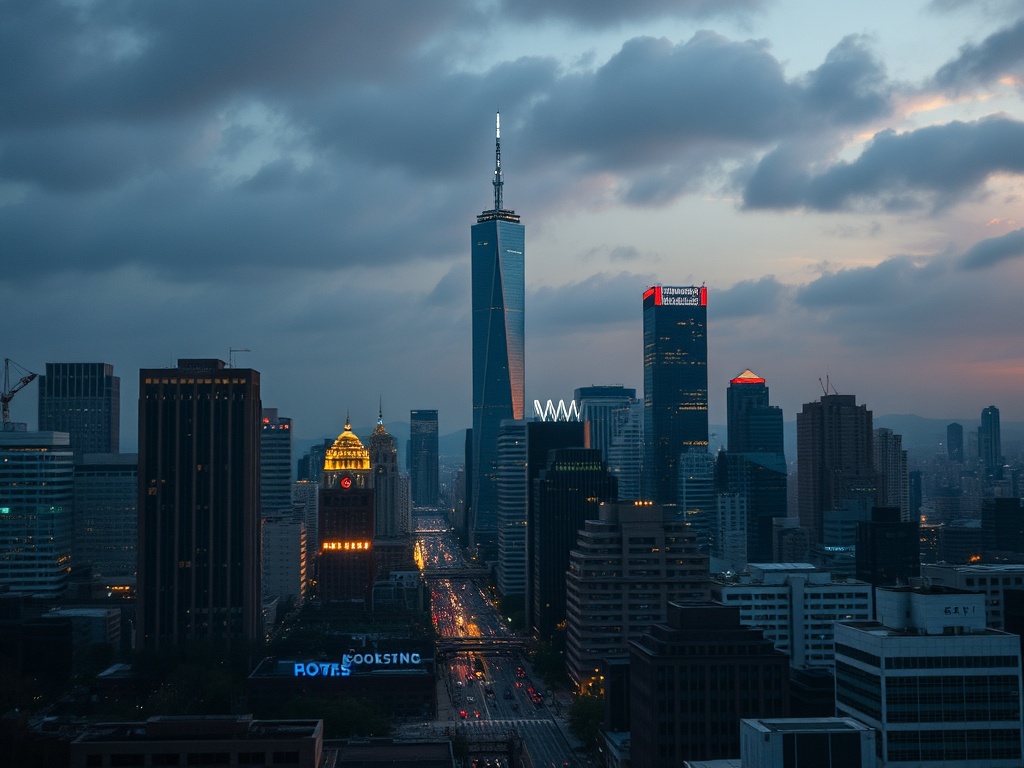
Whether you’re a longtime resident or a first-time visitor, exploring these green corridors offers a fresh perspective on a city that’s reconnecting people to place — and to each other.