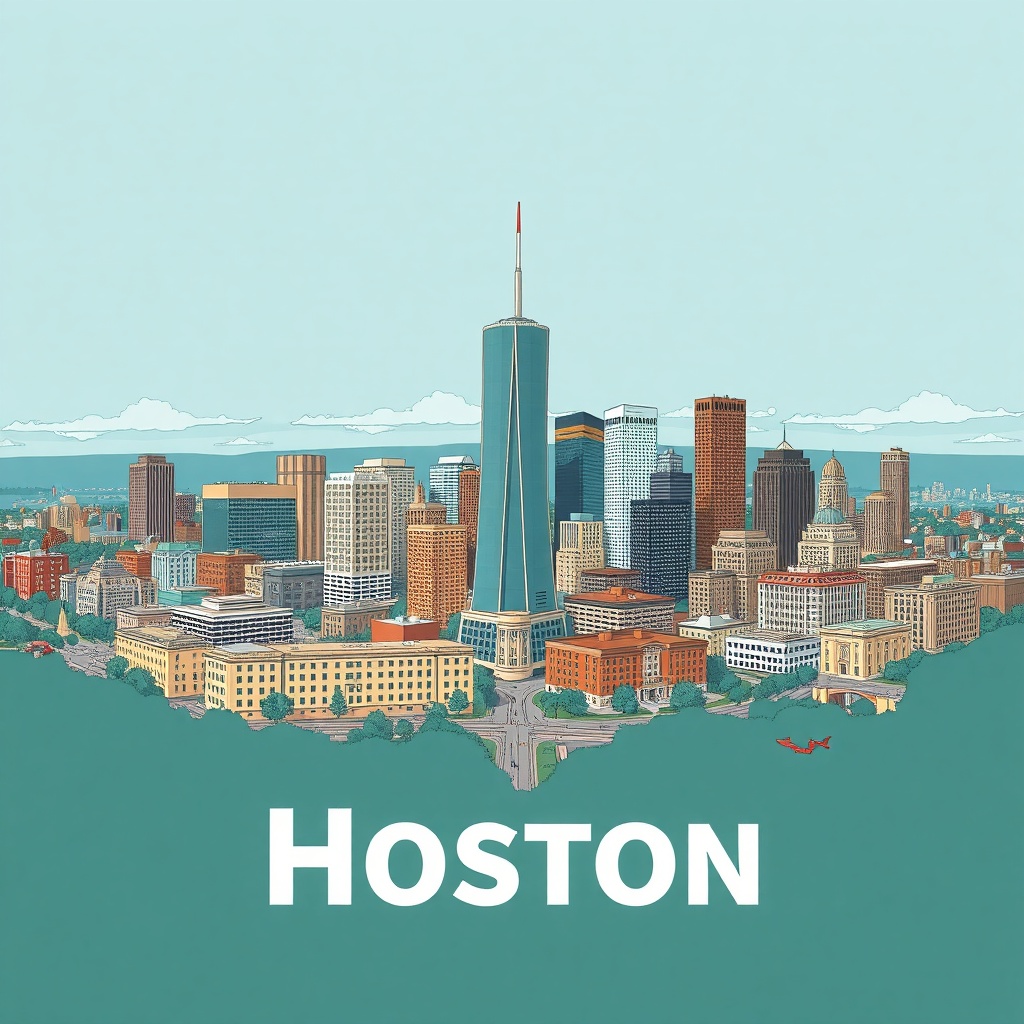
Houston is redefining what a major American city can be: a global energy and space hub that’s also becoming greener, more walkable, and fiercely proud of its eclectic food and cultural landscape. Whether you’re planning a visit or looking to plant deeper roots, understanding what makes Houston tick helps you experience the city beyond the skyline.
A growing network of green corridors
Houston’s bayous and parks are more than scenic backdrops — they’re the backbone of a citywide effort to improve quality of life and manage flooding. Expansive linear parks and improved trails along major waterways link neighborhoods, encourage outdoor recreation, and provide natural floodplain restoration. These green corridors are designed for walking, running, cycling, and community events, making it easier to move around without a car and giving residents accessible places to unwind.
Mobility and neighborhood transformation
Car culture remains strong, but mobility options are expanding.
Transit-oriented development, bike lanes, and shared-mobility services are reshaping several neighborhoods into mixed-use hubs where dining, retail, and living spaces coexist. Uptown, midtown, and emerging inner-ring neighborhoods are attracting new businesses and residents who want shorter commutes and more walkable streets. For everyday convenience, micro-mobility and last-mile transit options are filling gaps, making it easier to explore local shops and parks.
Energy leadership and transition
Houston’s legacy as an energy capital continues, but the industry is evolving. Traditional energy companies are increasingly investing in cleaner technologies, carbon management, and renewable projects alongside core operations. That blend of experience, capital, and infrastructure positions Houston as a strategic player in the global energy transition, driving job opportunities in engineering, project development, and tech-enabled energy services.
Space innovation and STEM culture
A major aerospace center anchors Houston’s reputation for cutting-edge science and engineering. Public-facing museums, research partnerships, and workforce development programs create a vibrant STEM ecosystem. The presence of flight training, mission control operations, and private space ventures around the city nurtures startups and attracts talent interested in robotics, satellite systems, and human spaceflight support services.
Food, culture, and neighborhoods
Houston’s culinary scene is famously diverse — from world-class fine dining to neighborhood taquerias, Vietnamese bakeries, and authentic Gulf seafood.
Food halls and neighborhood markets make sampling multiple cuisines easy, while pop-ups and food trucks introduce new flavors quickly. Cultural institutions and an active music scene provide year-round events and exhibitions, offering plenty of ways to connect with local creatives and communities.
Resilience and community engagement
Community-driven resilience initiatives are gaining momentum.
Neighborhood groups, business coalitions, and civic leaders are working together to improve infrastructure, expand green spaces, and provide emergency readiness resources. Public input processes and collaborative planning help ensure that development balances growth with affordability and community needs.
Tips for visitors and new residents
– Embrace neighborhoods: Spend time in different areas to feel the city’s diversity — each has its own culinary and cultural strengths.
– Use greenways and trails: Buffalo Bayou and other linear parks are great for outdoor activities and offer a scenic way to travel between parts of the city.
– Plan transit wisely: Downtown and some dense neighborhoods are transit-friendly; for broader exploration, combine transit with bike or scooter options.
– Explore beyond the central core: Nearby neighborhoods often contain hidden gems, from local restaurants to independent galleries.
Houston’s mix of industry, culture, and green infrastructure creates a dynamic urban fabric.
For those curious about innovation, food, and outdoor life, the city offers more than meets the eye — and it’s continually evolving in ways that matter to residents and visitors alike.