Houston’s defining feature—its expansive network of bayous, parks, and neighborhoods—also makes it a laboratory for urban resilience. As the city continues to grow, residents, developers, and planners are turning to green infrastructure and community-based solutions to reduce flood risk, cool neighborhoods, and improve quality of life.
Why green infrastructure matters in Houston
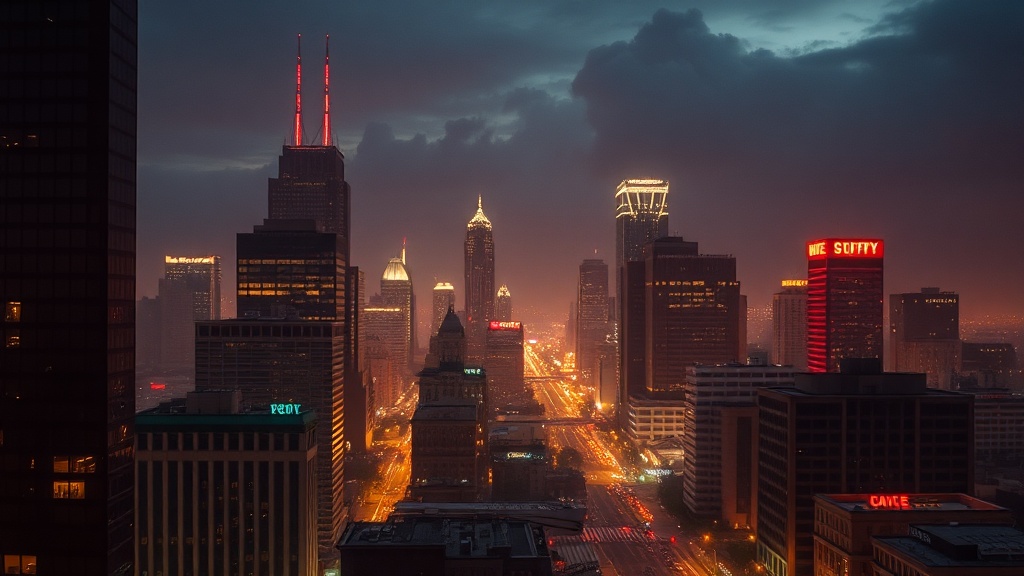
Houston’s landscape is shaped by water.
Heavy rainfall and intense storm events highlight the limits of traditional gray infrastructure like concrete channels and pipes. Green infrastructure—think rain gardens, bioswales, permeable pavement, street trees, and restored wetlands—helps slow, capture, and filter stormwater where it falls. That reduces pressure on drainage systems, lowers localized flooding, and improves water quality before runoff reaches bayous and the Gulf.
Benefits extend beyond flood control. Urban trees and green corridors reduce urban heat island effects, improve air quality, and increase property values. Parks and trails encourage active lifestyles and connect neighborhoods, supporting mental and physical health.
For a sprawling, car-dependent city, shifting toward walkable green spaces also enhances mobility and community cohesion.
City-scale initiatives and neighborhood action
Public and private partnerships have accelerated green projects across Houston. Large greenway projects are reconnecting neighborhoods to bayous and creating continuous trails for cyclists and pedestrians. Local governments and utility districts are increasingly funding stormwater retrofits, detention basin enhancements, and stream restoration projects that combine engineered solutions with natural systems.
At the neighborhood level, community groups are leading tree-planting drives, native plant workshops, and volunteer clean-ups.
These grassroots efforts not only improve local resilience but also help residents qualify for grants and incentives tied to stormwater management and conservation.
Practical steps for homeowners and property managers
– Assess drainage and grading: Ensure soil slopes away from foundations and clear clogged gutters and downspouts.
Simple grading fixes can prevent costly water intrusion.
– Install downspout diverters and rain barrels: Capture roof runoff for landscape irrigation and reduce peak flows during storms.
– Choose native, drought-tolerant plants: Native species handle Houston’s climate extremes better and improve soil infiltration.
– Use permeable surfaces where possible: Permeable pavers and gravel driveways let water soak into the ground instead of running off into the street.
– Elevate mechanical systems: Keeping HVAC units and electrical panels above likely flood levels minimizes damage after heavy rainfall.
– Consider a rain garden or bioswale: These planted depressions capture and slowly infiltrate runoff, improving both drainage and habitat.
Policy and investment priorities that move the needle
Strategic investments in natural infrastructure—paired with targeted gray infrastructure upgrades—yield the most durable results. Priorities include protecting and restoring floodplains, increasing tree canopy in heat-vulnerable neighborhoods, and integrating stormwater capture into new development. Equitable funding is essential: low-income communities often face the highest flood risk and the fewest green amenities.
Getting involved
Residents can attend local planning meetings, join watershed alliances, or volunteer with nonprofit partners focused on bayou stewardship. Small actions, like planting a tree or redirecting a downspout, add up when multiplied across neighborhoods.
Developers and property owners can adopt low-impact design standards that keep more stormwater onsite.
Houston’s resilience story is unfolding through intentional design, community engagement, and smarter investments. By embracing green infrastructure and empowering neighborhoods, the city can reduce flood risk, cool its streets, and create healthier, more connected places to live.