Houston is reshaping its identity beyond oil and gas, blending energy innovation, green infrastructure, and a world-class cultural scene. For residents and visitors alike, the city offers a dynamic mix of outdoor recreation, food diversity, and cutting-edge industry — all centered around resilience and reinvention.
A greener, more walkable city
Houston’s network of bayous and parks is a major urban asset. The Bayou Greenways corridors link miles of trails, parks, and paddle-friendly waterways, making active transportation and outdoor time more accessible across neighborhoods. Key destinations include Buffalo Bayou Park with its sculptural stormwater features and skyline views, Hermann Park’s museums and gardens, and the compact, programmed spaces of Discovery Green downtown.
These areas are not only recreational hubs but also part of a broader strategy to manage stormwater through natural systems and reduce flood impacts.
A hub for energy transition
The city remains a global energy center while diversifying into low-carbon technologies. Investments in hydrogen production, renewable power integration, and carbon management reflect a practical approach: leverage existing infrastructure and expertise to support cleaner energy solutions. The Port of Houston continues to be a major economic engine, evolving logistics and supply chains to serve new energy and manufacturing needs while maintaining its role in global trade.
Space, medicine, and innovation ecosystems
Houston’s reputation in aerospace and health continues to draw talent and investment. From corporate labs to research hospitals and spaceflight capabilities, the city fosters cross-disciplinary collaboration that drives startups and scale-ups. Innovation zones and incubators are helping translate research into commercial products, making Houston a fertile ground for entrepreneurs focused on biotech, cleantech, and advanced manufacturing.
Neighborhood culture and culinary diversity
Neighborhoods like the Heights, Montrose, and Midtown showcase Houston’s creative spirit. Streetscapes blend independent shops, art galleries, and music venues that support a thriving local culture.
The food scene remains one of the city’s brightest draws: a global mosaic of flavors influenced by Vietnamese, Mexican, African, Indian, and Southern traditions.
Food halls, pop-up markets, and longtime mom-and-pop eateries all coexist, offering both fine dining and bold, affordable street food.
Transportation and livability improvements
Efforts to expand public transit and make streets safer for pedestrians and cyclists are gaining momentum. Light rail extensions, bus rapid transit corridors, and targeted bike-lane projects aim to reduce congestion and connect more communities to job centers and parks.
These shifts support a more equitable city where transportation options empower mobility for more residents.
Preparing for climate and extreme weather
Resilience planning is a long-term priority. Combining hard infrastructure with nature-based solutions — like floodplain restoration, wetland preservation, and permeable urban design — helps reduce risk from intense storms. Community-led initiatives and municipal partnerships focus on preparedness, equitable recovery, and building codes that reflect the new realities of climate variability.
Why Houston matters now
Houston’s strength lies in its adaptability.
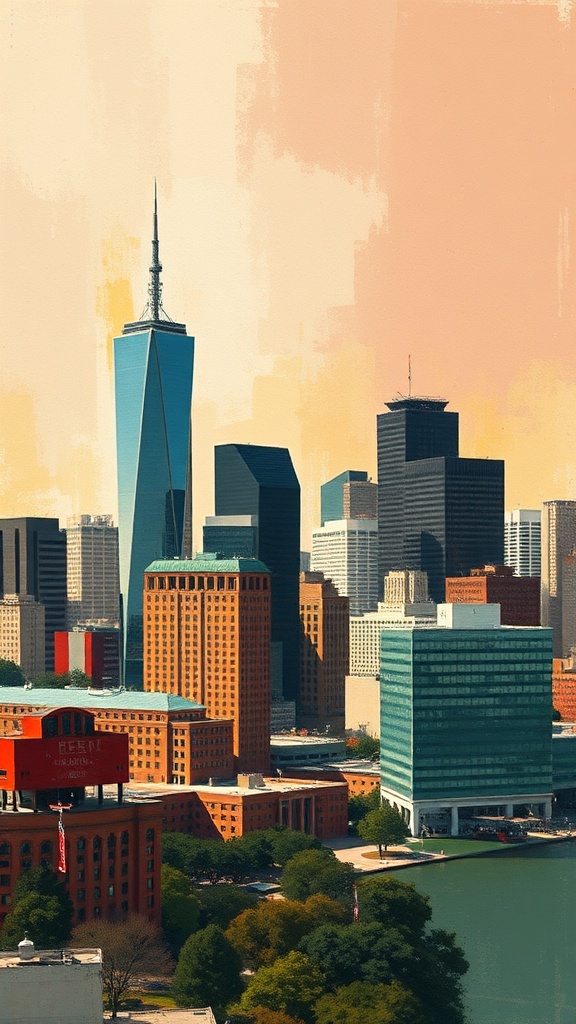
Anchored by deep industry expertise and bolstered by a diverse cultural fabric, the city is balancing economic growth with sustainability and quality-of-life improvements. Whether exploring riverside trails, sampling an international meal, or following innovations coming out of local labs and ports, Houston offers signs of a city actively shaping its next chapter.
Plan a visit or explore locally: start with a bayou trail, check a neighborhood farmers market, and keep an eye on public programming — Houston rewards curiosity with discoveries around every corner.