Houston real estate is attracting attention for its blend of affordability, job-driven demand, and neighborhood variety. Whether you’re a first-time buyer, investor, or someone relocating for work, understanding the city’s shifting patterns and practical considerations can help you move with confidence.
Why Houston continues to draw buyers
Houston’s diverse economy — anchored by energy, healthcare, aerospace, and a growing tech scene — keeps housing demand steady. The region’s relatively low cost of living and no state income tax are long-standing draws for people and businesses. That demand supports both single-family neighborhoods and a robust rental market for multifamily and condo properties.
Key trends shaping the market
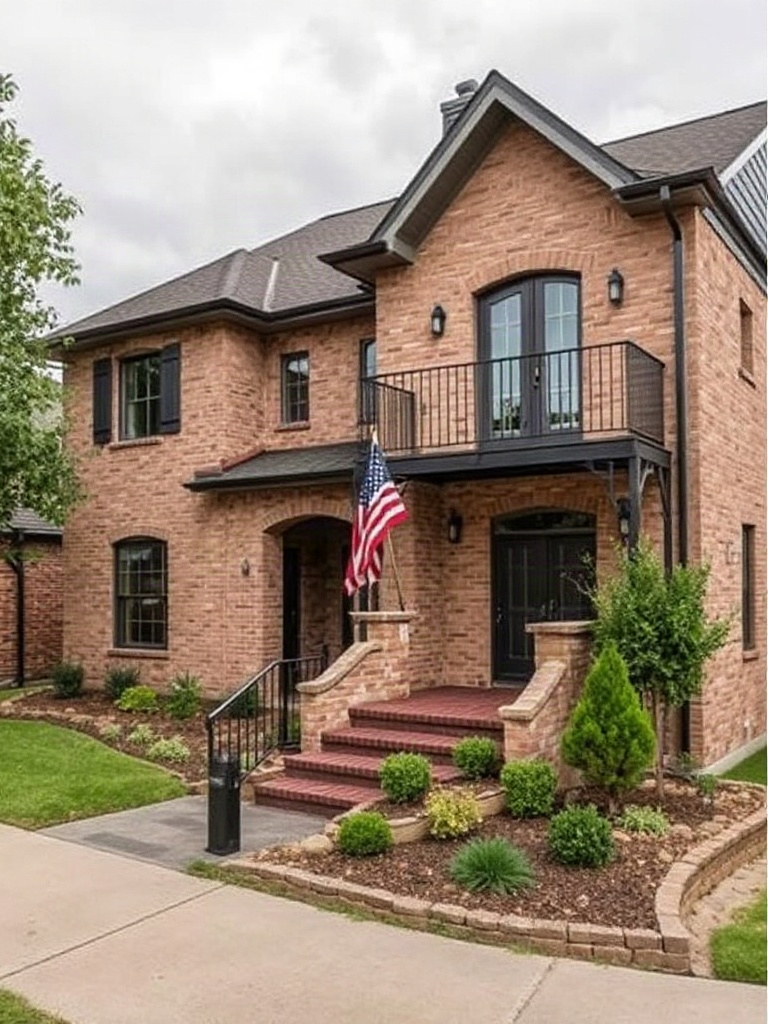
– Suburban expansion and infill development: New master-planned communities remain popular along major commuter corridors, while inner-loop neighborhoods see more infill and mixed-use projects. Buyers can choose between newer, amenity-rich suburbs and established urban areas with walkable shops and nightlife.
– Resilience and flood mitigation: Flood risk influences buying decisions more than ever. Builders and municipalities are investing in elevated construction, improved drainage, and green infrastructure.
Look for properties with proven elevation certificates, recent mitigation work, or proximity to less flood-prone corridors.
– Adaptive reuse and transit-oriented projects: Older warehouses and industrial buildings are being converted into creative office space, lofts, and mixed-use centers — especially near transit nodes and major employment hubs. These projects appeal to buyers seeking character and convenience.
– Rental and multifamily strength: Strong population growth and workforce mobility support demand for rentals, driving interest from investors in duplexes, small apartment buildings, and professionally managed communities.
Neighborhood snapshots
– Inner Loop: Offers walkability, established schools, and a mix of renovated bungalows and modern townhomes.
Popular for buyers who want urban amenities with quick commutes.
– Memorial and Spring Branch corridors: Known for good schools and family-friendly subdivisions, with relatively quick access to greenways and major job centers.
– Energy Corridor and Westchase: Still attractive for employees in energy and related industries, with a mix of corporate campuses and suburban housing options.
– Suburban master-planned communities: Provide amenities like parks, pools, and community centers—appealing to families seeking new construction and HOA-managed upkeep.
Practical guidance for buyers and sellers
– Prioritize inspections focused on drainage, foundation condition, and HVAC.
In flood-prone areas, request elevation certificates and flood-plain history.
– Factor in insurance and property-tax costs when calculating affordability. Flood insurance and windstorm coverage can add meaningful monthly expense in certain areas.
– Work with a local agent who can interpret zoning, permitting history, and neighborhood trends. Local knowledge is especially helpful for renovation potential and resale value.
– For investors, evaluate rent growth, vacancy trends, and local employment drivers rather than only short-term price appreciation. Professional property management can protect long-term returns.
Financing and timing
Mortgage pricing and lending standards affect affordability, so shop multiple lenders and get pre-approval before making offers.
If timing is flexible, give yourself room to compare properties and wait for a well-priced opportunity rather than rushing.
Final thought
Houston’s real estate market blends opportunity with complexity: strong economic fundamentals and a variety of neighborhoods create options for many buyers, but local risks like flooding and variable insurance costs require careful due diligence.
Smart decisions hinge on a clear budget, thorough inspections, and guidance from professionals who know the Houston landscape.