Houston real estate remains one of the most dynamic markets in the country, blending affordability, job-driven demand, and unique planning quirks that shape where and how people buy. Whether you’re a first-time buyer, a downsizer, or an investor, understanding what makes Houston different helps you make smarter choices.
What sets Houston apart
– No formal zoning: Houston’s lack of conventional zoning creates a flexible landscape where single-family homes, townhomes, and commercial uses often sit side by side.
That openness fuels rapid infill development and creates opportunities — and surprises — for buyers who value walkability or want to avoid unexpected adjacent uses.
– Diverse job base: Energy, healthcare, aerospace, education, and a growing tech sector support steady housing demand across multiple neighborhoods. Areas near major employment hubs tend to hold value and attract long-term renters.
– Affordability and inventory mix: Compared with many large metro areas, Houston still offers relatively affordable single-family homes and a deep rental market. New construction, townhomes, and luxury condos coexist with older bungalow and ranch-stock neighborhoods, giving buyers many pathways to enter the market.
Risks and resilience: flood and insurance
Flood risk is a critical factor for Houston buyers and investors. Many desirable neighborhoods are near bayous or low-lying areas, making elevation and mitigation part of the due diligence process. Practical steps:
– Check FEMA flood maps and request an elevation certificate when available.
– Ask sellers about past flood claims and review flood insurance history.
– Prioritize properties with elevated utilities, raised electrical panels, and flood-resistant materials on ground-level finishes.
– Consider investing in resilient landscaping, permeable hardscaping, and flood vents if you plan renovations.
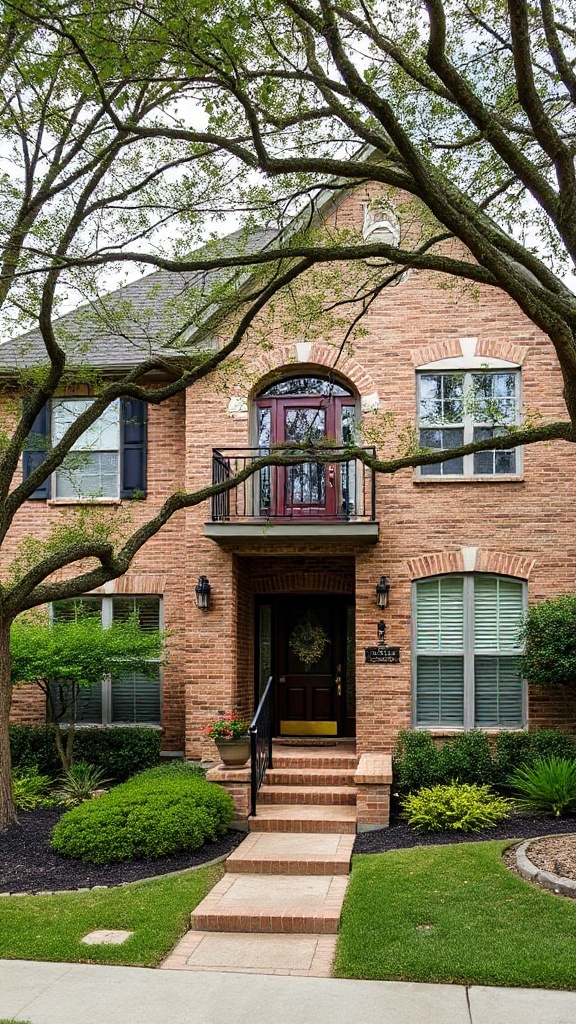
Trends shaping purchase decisions
– Infill and townhome development: Builders are maximizing smaller lots with multi-story townhomes that appeal to buyers wanting proximity to inner-loop amenities without the maintenance of a big yard.
– Office-to-residential conversions: As workplace needs change, some underused office buildings are being converted to apartments and mixed-use projects, creating new housing stock in established commercial corridors.
– Energy-efficiency and resilience upgrades: Buyers increasingly prefer homes with efficient HVAC, enhanced insulation, and resilient infrastructure. These features help reduce operating costs and improve insurability.
Practical advice for buyers and investors
– Get a comprehensive inspection: Beyond the typical checklist, have inspectors evaluate foundation conditions, drainage grading, roof age, and signs of past water intrusion.
– Factor in insurance and taxes: Homeowner, flood, and windstorm coverage can materially affect monthly carrying costs. Property taxes vary by district, so compare effective tax rates across neighborhoods.
– Consider commute, schools, and amenities: Walkability, access to major roadways, transit options, and nearby medical centers or employers influence both resale and rental demand.
– Work with local experts: A neighborhood-savvy agent and contractor can help spot red flags in properties where zoning flexibility or redevelopment pressure might impact long-term value.
Opportunities for investors
Strong rental demand in many pockets and the potential for appreciation in well-located infill areas make Houston attractive to investors. Short-term strategies include targeting single-family rentals in suburbs with good schools; long-term plays may focus on converting or redeveloping underutilized lots near transit corridors.
Houston’s real estate market rewards buyers who balance opportunity with careful risk assessment.
By prioritizing resilience, researching neighborhood dynamics, and working with experienced local professionals, you can find properties that meet lifestyle goals and stand up to the region’s unique challenges.