Navigating Houston Real Estate: Trends, Neighborhoods, and Smart Buyer Strategies
Houston’s real estate market blends big-city opportunity with Texas practicality.
For buyers, sellers, and investors, understanding the city’s unique dynamics—no formal zoning, strong job sectors, and pronounced flood considerations—helps turn market movement into smarter decisions.
Market trends to watch
– Demand is driven by employment diversity. Energy companies still anchor the economy, while healthcare, aerospace, and technology are attracting skilled workers and supporting steady housing demand across price tiers.
– New construction and infill development continue to reshape inner-ring neighborhoods and suburban corridors. Builders are responding to buyer preferences for modern floorplans, energy-efficient systems, and outdoor living spaces.
– Rental demand remains strong.
A growing population of young professionals and relocators fuels the multifamily and single-family rental markets, creating opportunities for buy-and-hold investors.
Neighborhoods with momentum
– Central neighborhoods appeal to buyers seeking walkable amenities and shorter commutes. Areas with strong dining, nightlife, and cultural offerings often command premium pricing and show quicker appreciation.
– Established suburbs and master-planned communities attract families prioritizing schools, parks, and newer construction. These locations also provide a broader range of price points and lot sizes.
– Emerging corridors near transit nodes or significant redevelopment projects present opportunities for investors and homebuyers willing to be early adopters of neighborhood change.
What buyers should prioritize
– Flood risk and mitigation.
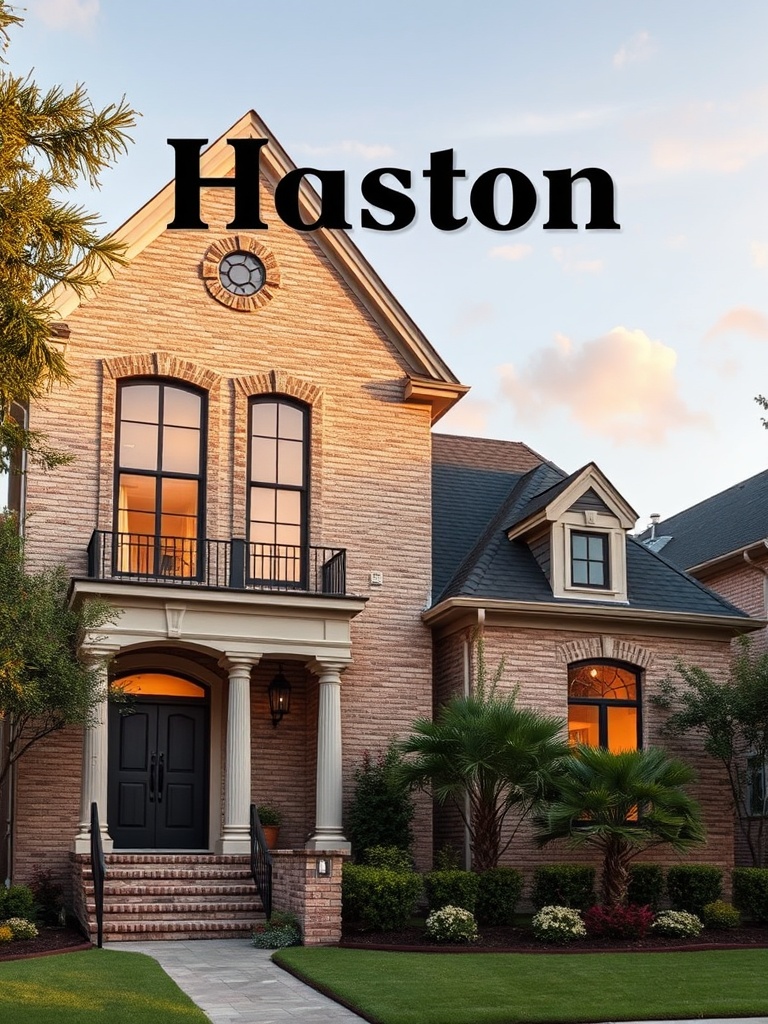
Houston’s varied topography means flood risk is a crucial factor. Ask for elevation certificates, review past flood history, and factor potential flood insurance costs into your budget. New construction and retrofits that incorporate raised foundations, flood-resistant materials, and landscape drainage reduce long-term risk.
– Total cost of ownership. Property taxes, homeowners insurance, HOA fees, and potential flood insurance can materially affect monthly carrying costs. Run a full expense analysis rather than focusing solely on mortgage payments.
– Home inspection and due diligence.
With a wide range of home ages and construction types, thorough inspections uncover mechanical, foundation, and roofing issues that could be costly to repair.
Consider sewer scope inspections in older neighborhoods.
Seller priorities that move listings faster
– Strategic updates. Kitchens and bathrooms still deliver strong return on investment; buyers also favor energy-efficient windows, updated HVAC systems, and attractive outdoor living areas.
– Pricing and staging. Competitive pricing tailored to neighborhood comparables, combined with decluttering and professional staging, shortens time on market and often attracts multiple offers.
– Transparent disclosure.
Providing recent inspection reports and documentation for major systems builds buyer confidence and speeds transaction timelines.
Investor considerations
– Diversification across neighborhoods and product types—single-family rentals, small multifamily, and mixed-use offerings—spreads risk. Target areas with employment growth, plans for infrastructure improvements, or transit expansions for rental stability and potential appreciation.
– Stay current on local ordinances affecting short-term rentals and property operations. Regulatory changes can alter income potential and operating requirements.
– Work with local property managers who understand tenant demand, maintenance realities, and compliance nuances.
Why Houston remains attractive
Houston’s combination of diverse job opportunities, relative affordability compared with other major metros, and a culture of development keeps the market interesting for a wide range of buyers and investors. Understanding local nuances—flood risk, property taxes, and neighborhood trajectories—helps make informed choices that match lifestyle and financial goals.
Whether you’re buying your first home, upgrading, or expanding an investment portfolio, aligning priorities with neighborhood characteristics and realistic carrying costs is the most reliable path to a successful transaction and long-term value.