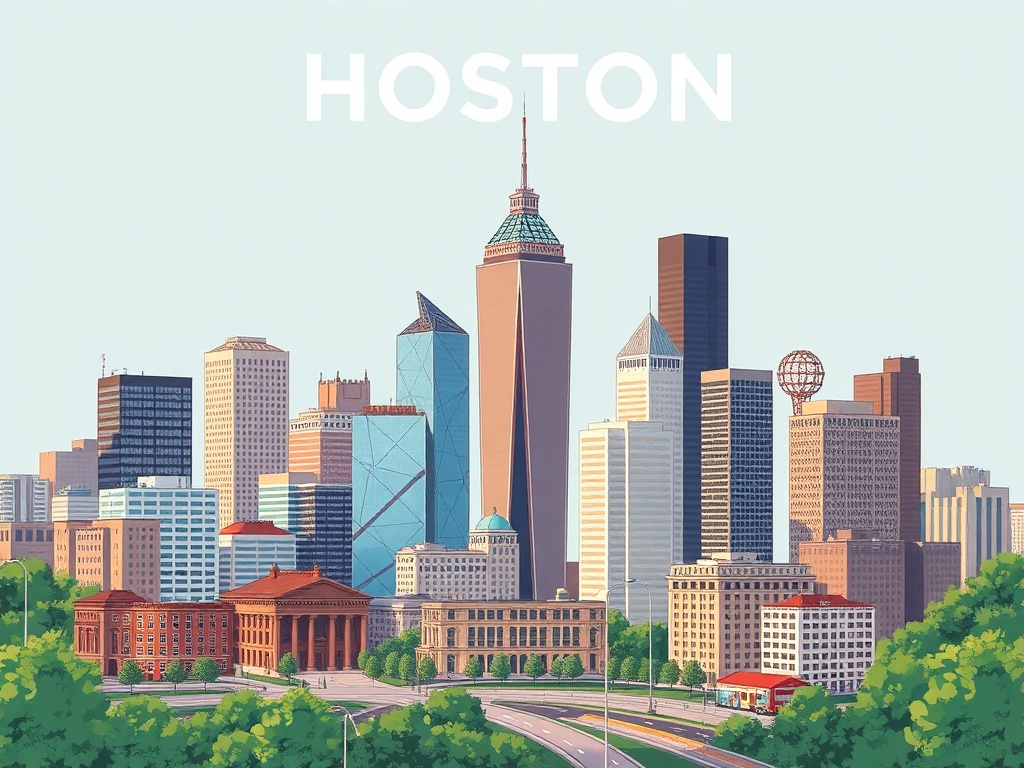
Houston is reshaping its image: still a global energy hub, yet also a vibrant cultural destination with growing green space, resilient infrastructure, and a dining scene that rivals any major city. Whether you’re a local or planning a visit, understanding what makes Houston tick reveals why interest in the city keeps rising.
A city balancing energy and innovation
Houston’s long-standing role in energy is expanding beyond traditional oil and gas. Major companies and startups are investing in lower-carbon technologies, hydrogen, and large-scale renewable projects. That makes the metro area an attractive place for engineers, researchers, and investors looking to pivot energy expertise into new markets without losing access to established infrastructure and talent.
Food culture that reflects the city’s diversity
Houston’s restaurants capture a unique blend of cultures: Tex-Mex and barbecue sit alongside Vietnamese, Nigerian, Indian, and Colombian kitchens. Neighborhood dining corridors from Montrose to EaDo and the Chinatown area offer everything from high-end tasting menus to hole-in-the-wall favorites. Food halls and pop-up concepts help new chefs test ideas, so the culinary scene stays fresh and surprising.
Public spaces and riverside revitalization
Investment in parks and waterways has transformed how Houstonians use outdoor space.
Buffalo Bayou and other green corridors now host walking and biking trails, kayak launches, public art, and community programming. These spots function as both recreation hubs and natural flood buffers, improving quality of life while helping manage stormwater.
Arts, music, and cultural districts
Houston’s arts institutions are wide-ranging and accessible.
The Museum District clusters major museums with free or low-cost days, while theater and live music thrive across neighborhoods.
Local galleries and street art contribute to a creative ecosystem that supports both established artists and emerging talent. Cultural festivals throughout the year highlight the city’s rich ethnic diversity and make the arts feel like a civic experience rather than an elite one.
Transportation and connectivity
Houstonians rely heavily on cars, but efforts to expand mobility alternatives are ongoing. Light rail, bus rapid transit, bike lanes, and pedestrian improvements aim to reduce congestion and make commutes more predictable. Major transit projects and neighborhood-scale improvements are encouraging walkable development around key corridors and transit stops.
Resilience and flood mitigation
Flooding is a top concern, and Houston’s approach to resilience is multifaceted. Large-scale bayou projects, detention basins, green infrastructure, and updates to drainage systems are part of a broader strategy to reduce flood risk. Private development is also adapting, with elevated construction, floodproof design, and insurance strategies becoming more common.
Why visit or move here
Houston offers a lower cost of living relative to many coastal metros, a broad job market, and a quality of life anchored by varied neighborhoods and abundant outdoor options. For families, the city’s school networks, science centers, and parks are a draw.
For professionals, the blend of energy, health care, and aerospace industries creates diverse career paths.
Tourists find a surprising amount to do: world-class museums, distinctive dining, thriving nightlife, and major events that draw regional crowds.
If you’re exploring Houston for the first time or rediscovering it, focus on neighborhoods rather than just downtown. Visit a museum, try a neighborhood barbecue spot, paddle the bayou at sunrise, and check out a local festival. That combination captures what’s most compelling about the city today: a place rooted in hard infrastructure and industry but increasingly defined by culture, resilience, and invention.