Houston’s combination of rapid growth, waterways, and subtropical climate makes resilience a constant community priority. As the city evolves, residents, planners, and businesses are focusing on practical strategies that reduce flood risk, tame urban heat, and improve quality of life while honoring Houston’s unique bayou-driven character.
Challenges to manage
Houston faces two overlapping challenges: intense rain-driven flooding and rising heat stress. Heavy rainfall overwhelms drainage in many neighborhoods, while concrete and asphalt amplify heat, especially where tree cover is thin.
Rapid development increases impervious surfaces, which can worsen both problems unless green planning is part of the solution.
At the same time, the Port and energy sectors are modernizing, creating opportunities to pair economic growth with environmental resilience.
How the city is adapting
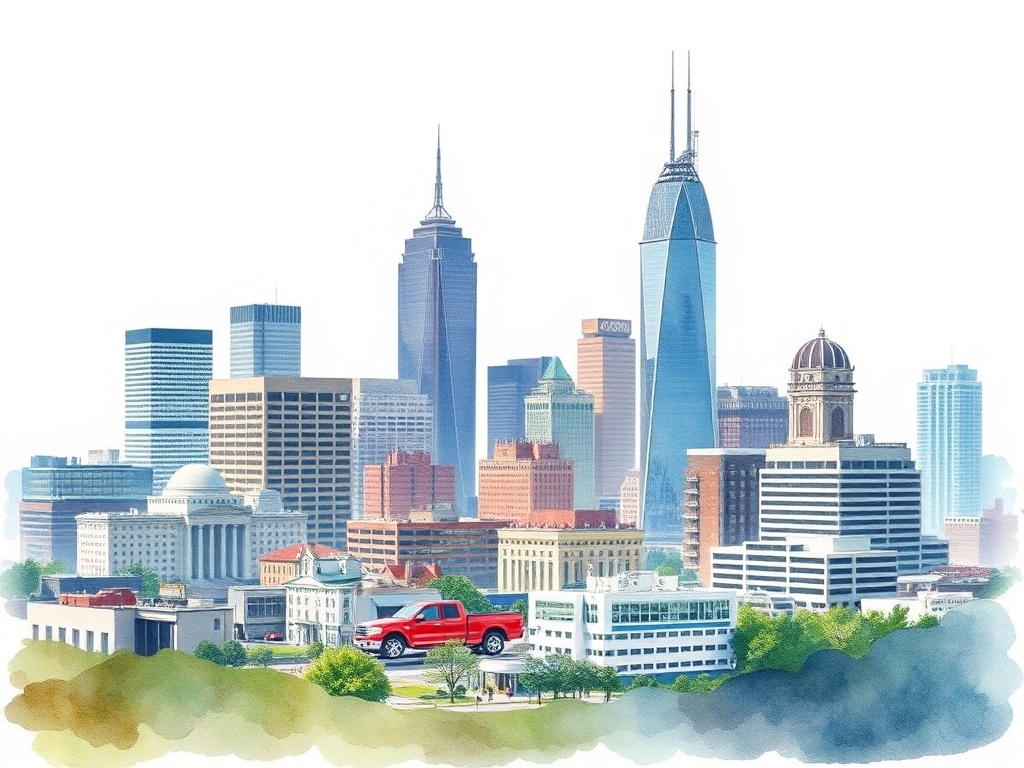
Green infrastructure is central to Houston’s response. Projects that restore and enhance bayous, expand linear parks, and connect neighborhoods with trails provide multiple benefits: stormwater storage, improved drainage, recreation, and wildlife habitat.
City agencies and nonprofits are working to turn flood-prone corridors into functional blue-green networks that absorb and slow runoff instead of letting it surge into streets and homes.
Tree canopy expansion is another practical lever. Shade trees cool neighborhoods, reduce the urban heat island effect, improve air quality, and even lower energy bills by reducing demand for air conditioning.
Planting native and drought-tolerant species along streets and in parks supports biodiversity and requires less maintenance once established.
Hard infrastructure investments continue alongside natural solutions. Flood control improvements, detention basins, and upgraded drainage systems are being coordinated with buyout and elevation programs that help move people and property out of repeatedly flooded areas. Smart permitting and stormwater management policies can encourage developers to incorporate permeable pavements, rain gardens, and retention features into new projects.
Community-level actions that matter
Neighborhood organizations and block-level projects are often where resilience is most visible. Volunteer-led tree plantings, neighborhood drainage cleanups, and educational workshops about flood insurance and property-level protections empower residents to take immediate steps. Local businesses are adopting measures like backflow prevention and raised utilities to limit flood impacts.
Cooling strategies for residents
Reducing heat exposure is achievable with modest investments: install shade sails or awnings on patios, orient new plantings to maximize afternoon shade, choose light-colored roofing materials and reflective coatings, and prioritize window shading and insulation indoors. Urban gardens and green roofs not only cool buildings but also provide local food and stormwater benefits.
How to get involved
Residents can track local planning meetings, join neighborhood resilience committees, or connect with conservation groups focused on bayou restoration and tree planting.
Reviewing floodplain maps and understanding insurance options helps people make informed choices about property improvements or relocation.
Supporting local ballot measures and municipal plans that fund green infrastructure accelerates progress at scale.
Houston’s resilience story is built from layered solutions: engineered systems, nature-based designs, and engaged communities working together. Practical, place-based actions reduce risk, improve comfort, and preserve the city’s waterways and neighborhoods for the long term.