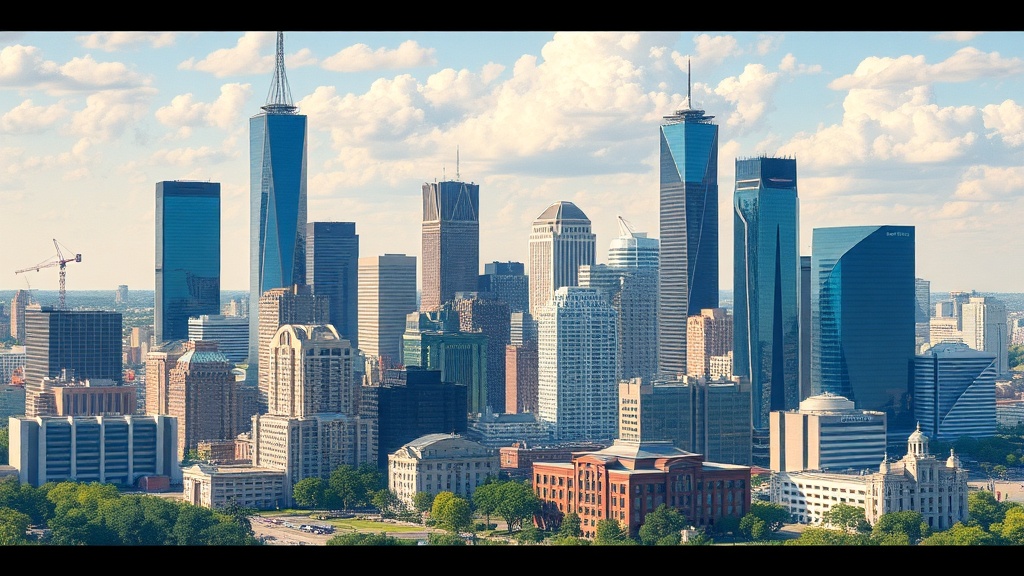
Why Houston keeps drawing attention — and how to experience it
Houston’s appeal is a mix of big-city energy and neighborhood-level warmth. Known for its cultural diversity, culinary creativity, and can-do spirit, the city rewards visitors and residents with everything from world-class museums to sprawling greenways and a booming business scene.
Culture and attractions
Houston’s Museum District and Theater District offer a dense concentration of arts and performance venues within walking distance. The Museum District houses major collections and smaller gems, while the Theater District hosts touring Broadway productions, symphonies, and cutting-edge local work. A short drive away, the Space Center is a top draw for people curious about human spaceflight and the region’s role in aerospace innovation.
Food and neighborhoods
Houston’s food scene is a defining feature: you’ll find Michelin-rated tasting menus, beloved neighborhood taquerias, expansive barbecue joints, vibrant Vietnamese and Nigerian eateries, and an imaginative street-food culture. Neighborhoods each bring their own flavor — an artsy enclave with café-lined streets, a historic district with bungalow homes and craft breweries, and lively downtown pockets with rooftop bars and late-night eateries. Exploring by neighborhood is one of the best ways to get a sense of the city’s layered identity.
Outdoors and active life
Despite its metropolitan scale, Houston offers ample outdoor space. Buffalo Bayou Park is a central green spine with trails, kayaking, and skyline views; bayou-side projects have increased access to nature while improving stormwater resilience. Nearby parks and greenway systems connect neighborhoods and encourage biking, running, and family-friendly weekend outings. The city’s investment in trails and Hike-and-Bike paths makes active transportation a practical option for many residents.
Business, energy, and innovation
Houston remains a global hub for energy and healthcare.
A major medical complex and concentrations of energy companies drive a robust local economy, while an expanding startup ecosystem is attracting founders focused on clean energy, healthtech, and logistics. The energy sector is evolving, and the city is watching and participating in shifts toward lower-carbon solutions and new technologies.
Getting around
Car culture is still prominent, but transit options have improved with light rail corridors, expanded bus services, and growing micro-mobility adoption. Two major airports connect Houston to domestic and international destinations, making the city a gateway for business and leisure travel. Parking and traffic are considerations, so planning off-peak travel or using ride-sharing and transit can save time.
Resilience and livability
As a coastal city, Houston faces weather and flooding challenges. Local planning emphasizes resilient infrastructure, bayou restoration, and community-led solutions. Neighborhoods vary widely in affordability and character, so renters and buyers benefit from working with local agents and visiting areas at different times of day to get a realistic sense of livability.
Tips for visitors and new residents
– Sample neighborhoods on foot or by bike to get a real feel for daily life.
– Prioritize culinary exploration: seek out both famed restaurants and food trucks.
– Take advantage of free or low-cost cultural offerings in museum districts and public spaces.
– Check transit and parking options ahead of events — major cultural and sports venues fill up quickly.
Houston’s combination of cultural depth, economic opportunity, and pockets of surprising green space makes it an appealing, practical choice for a weekend getaway or a longer move. Whether you come for the food, the arts, the science, or the career prospects, the city rewards curiosity and exploration.