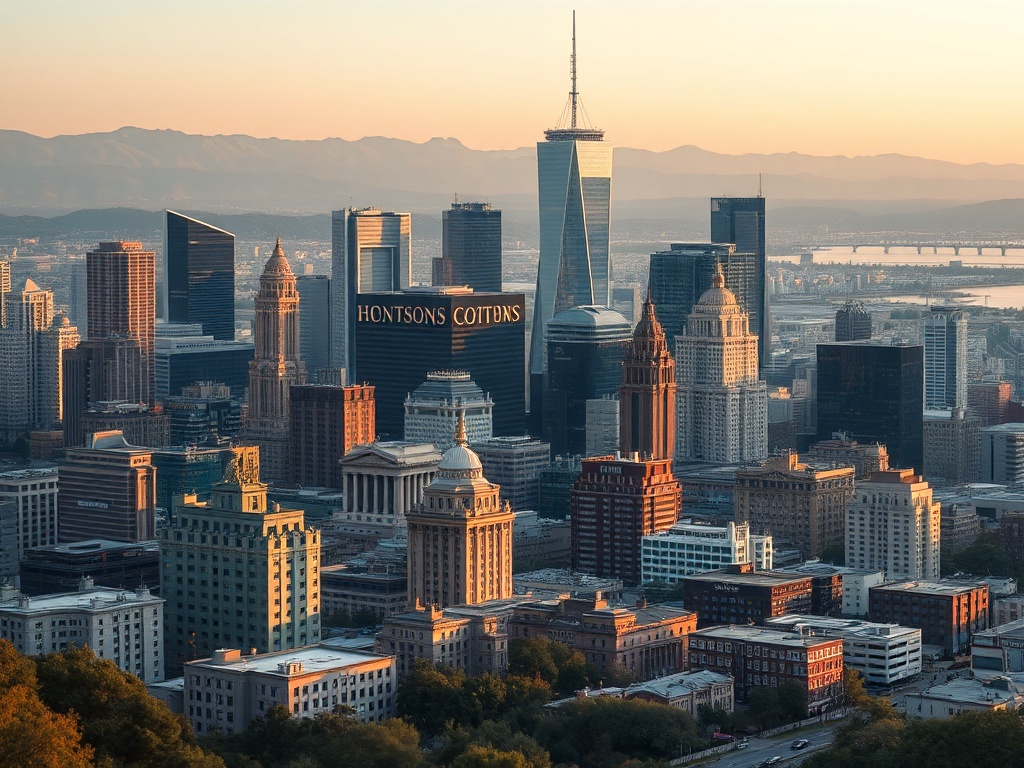
Houston is reshaping its identity from a traditional oil-and-gas epicenter into a diversified energy and innovation hub. That shift affects the regional economy, job market, and urban landscape, making Houston a focal point for companies, startups, and workforce training programs looking to participate in the energy transition.
What’s driving the transformation
The city’s strong energy infrastructure, deepwater Port, network of petrochemical facilities, and engineering talent create fertile ground for new energy projects.
Instead of abandoning legacy strengths, many local companies are integrating low-carbon technologies—hydrogen production, carbon capture and storage, electrification, and renewable power—into existing operations. This blended approach leverages experience while accelerating cleaner solutions at scale.
Opportunities for business and workers
As investment flows into clean fuels and decarbonization technologies, new types of jobs are emerging alongside traditional energy roles.
Engineers with experience in pipeline integrity, chemical processes, and large-scale project management are in demand, while technicians trained in electrolysis, turbine maintenance, and CCS operations are critical to buildout and operation.
Local community colleges, technical schools, and industry partnerships are expanding training pathways to help the workforce transition.
For businesses, opportunities include supply-chain services, engineering and construction, project financing, and software solutions focused on asset optimization and emissions monitoring.
Infrastructure and the Port
The Port of Houston remains a strategic asset, serving as a logistics hub for both traditional fuels and emerging clean-energy cargoes.
Investments in hydrogen handling, specialized terminals, and multimodal connections make the port attractive for projects that need reliable export and import routes. Upgrading grid capacity and modernizing pipelines and storage also supports both industrial decarbonization and resilience to extreme weather.
Urban impacts and resiliency
Energy transition is altering the urban fabric too.
Increased deployment of electrification and distributed energy resources—such as rooftop solar, battery storage, and demand-response systems—helps neighborhoods withstand storms and power disruptions. City and regional planners are balancing industrial growth with coastal restoration, improved drainage, and green infrastructure to enhance flood resilience and public safety.
Innovation ecosystem and startups
Houston’s research institutions and incubators are nurturing startups focused on clean-tech solutions: advanced materials for batteries, software for emissions accounting, and novel catalysts for green hydrogen.
Corporate venture arms and dedicated funds are supporting commercialization, while pilot projects at industrial sites provide real-world testing opportunities.
What residents and small businesses should watch
– Job and training opportunities: Look for certificate programs and apprenticeships that align with electrification, hydrogen, and carbon-management skills.
– Energy costs and incentives: Programs and rebates for energy-efficiency upgrades, rooftop solar, and battery storage can reduce operating costs for homes and businesses.
– Local procurement: Small businesses can position themselves to supply services and materials to larger projects—safety, logistics, fabrication, and professional services are often needed.
– Community engagement: Stay informed about proposed industrial projects and port expansions; public input can shape outcomes that affect neighborhoods and local air quality.
Houston’s evolution is pragmatic rather than abrupt: leveraging existing strengths while embracing new technologies. The ongoing mix of industry investment, workforce development, and infrastructure upgrades suggests the city will remain a powerhouse for energy innovation, with ripple effects across the regional economy and daily life.