Houston real estate is navigating a landscape shaped by population growth, climate resilience efforts, and shifting buyer priorities.
Whether you’re a first-time buyer, investor, or someone relocating, understanding the forces shaping Houston homes helps you make smarter decisions.
Market snapshot
Houston’s real estate market remains diverse and active. Demand is strong for single-family homes in suburban master-planned communities and for modern condos inside the Inner Loop.
At the same time, renewed interest in walkable neighborhoods and quality schools is boosting pockets like The Heights, Montrose, and parts of the Memorial area.
Investors are watching rental markets closely, where steady job growth in energy, healthcare, and technology continues to support demand for rentals.
Neighborhoods to watch
– The Heights and Montrose: Known for character homes, strong walkability, and vibrant dining scenes.
Good for buyers who want a mix of historic charm and urban convenience.
– Memorial and River Oaks adjacent areas: Larger lots and highly rated schools attract families seeking established neighborhoods and long-term value.
– Suburban growth corridors (Katy, Cypress, Pearland): Master-planned communities offer new construction, amenities, and competitive pricing for buyers prioritizing space and community features.
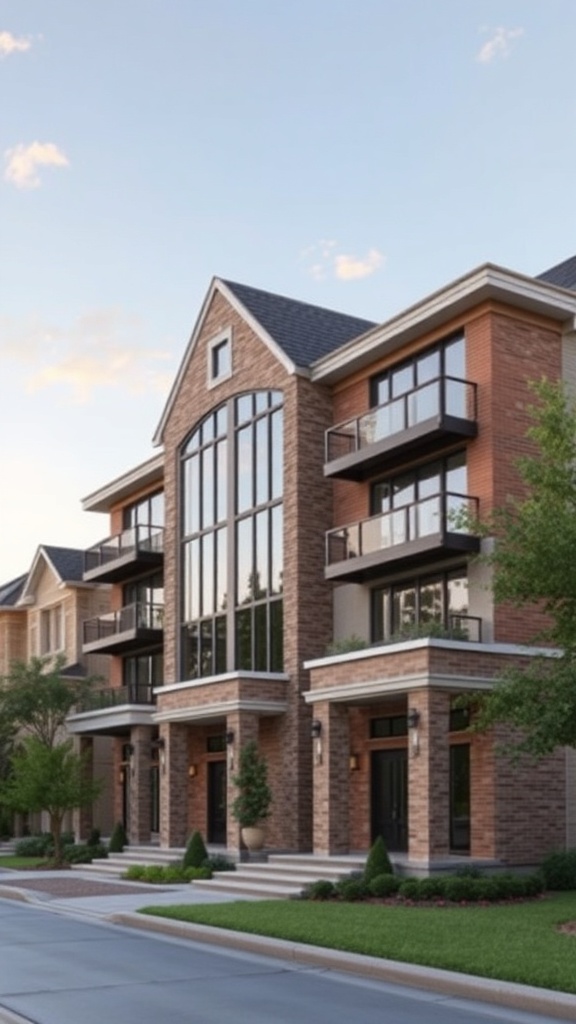
– Downtown and Midtown: Office-to-residential conversions and condo developments are bringing more residential options for those wanting an urban lifestyle close to nightlife and transit.
Flood risk and resilience
Flooding is a top concern for Houston buyers. When evaluating properties, prioritize:
– Elevation and drainage: Ask about finished floor elevation and any history of flooding or mitigation work.
– Recent mitigation projects: Look for homes with elevated foundations, properly graded yards, and functioning sump pumps.
– Insurance and buyout programs: Understand flood insurance requirements and any local mitigation programs that can affect future risk and resale value.
– Neighborhood infrastructure: Areas with recent stormwater improvements often show better long-term resilience.
Taxes, incentives, and affordability
Houston has no state income tax, but property taxes can be a significant expense. Steps to manage costs:
– Homestead exemption: Most homeowners qualify for exemptions that reduce taxable value—file for exemptions promptly.
– Protest and appeal options: If a tax appraisal seems too high, appraisal review procedures can lead to lower assessments.
– Incentives and new construction: Builders and municipalities sometimes offer incentives or phased tax abatements in growing suburbs. Investigate local programs when shopping new builds.
Financing and buyer tips
Mortgage rates and lending standards influence buying power. Practical tips:
– Get preapproved: A clear preapproval strengthens offers in competitive neighborhoods.
– Work with local lenders and agents: They’ll know neighborhood nuances like typical inspection issues, HOA rules, and school boundaries.
– Inspection focus: For older Houston homes, pay attention to foundation condition, plumbing, and HVAC. For newer builds, verify warranties and builder reputations.
Why local expertise matters
Houston’s size and variety mean local market knowledge is invaluable. Neighborhood trends, floodplain mapping, school rezoning, and upcoming infrastructure projects can all affect property values. Partnering with an agent who regularly transacts in your target area helps you spot opportunities and avoid pitfalls.
Ready to make a move?
Whether you’re buying, selling, or investing, clarity on neighborhood trends, flood resilience, and tax strategies will improve outcomes. Start by narrowing your priorities—commute, schools, lot size—and align those with neighborhoods that match your long-term goals.