How the Oil Industry Is Navigating the Energy Transition
Oil remains a core component of the global energy mix, but the industry is operating in a rapidly changing landscape where decarbonization, digitization, and shifting demand patterns are reshaping strategy.
Companies that balance efficient hydrocarbon production with credible low-carbon commitments are the ones best positioned for long-term resilience.
Demand dynamics and market realities
Demand for transport fuels has become more nuanced as electrification advances in passenger vehicles while aviation, shipping, and heavy industry still rely heavily on liquid fuels. That dynamic is driving a structural shift: growth in petrochemicals and specialized fuels, including sustainable aviation fuel, is offsetting slower growth in traditional gasoline demand. At the same time, supply-side challenges—geopolitical tensions, sanctions, and constrained upstream investment in some regions—mean price volatility and premium opportunities for higher-margin barrels.
Decarbonization strategies that matter
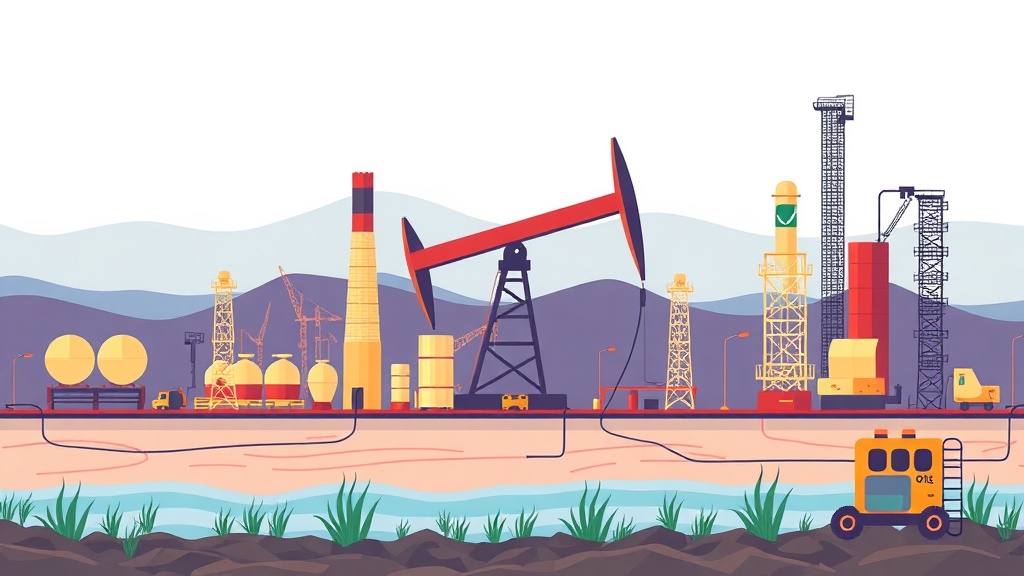
Reducing greenhouse gas emissions across the value chain is no longer optional.
Leading operators are prioritizing methane leak detection and elimination, flare reduction, and electrification of field operations to cut Scope 1 and 2 emissions. Carbon capture, utilization, and storage (CCUS) projects are gaining traction as a pathway to decarbonize hard-to-abate sectors and to produce low-carbon hydrogen. Investment in sustainable feedstocks and the development of advanced biofuels and SAFs is also creating new revenue lines tied to decarbonization goals.
Technology and operational efficiency
Digital transformation is unlocking substantial value. Deploying sensors, remote monitoring, digital twins, and advanced analytics improves reservoir performance, optimizes maintenance schedules, and reduces unplanned downtime.
Automation and drone-based inspections lower operating costs and safety risk on offshore platforms and pipelines. These technologies also enable better emissions monitoring and reporting, which is increasingly important for regulatory compliance and investor scrutiny.
Capital allocation and portfolio reshaping
Companies are becoming more disciplined about capital allocation, favoring projects with strong margins and lower carbon intensity.
Many are diversifying into renewables, power trading, and energy services to capture integrated energy margins and reduce exposure to a single commodity cycle. Strategic partnerships and joint ventures—especially for CCUS, hydrogen, and SAF production—reduce risk while accelerating capability development.
Regulatory and investor pressures
Stronger emissions regulations and evolving disclosure standards are pushing the industry toward greater transparency. Investors are scrutinizing transition plans, capital efficiency, and short- to medium-term returns alongside long-term sustainability targets.
Firms that publish clear, measurable goals and tie executive compensation to emissions performance tend to attract more favorable capital and stakeholder confidence.
Opportunities for operators and investors
Near-term opportunities include monetizing low-carbon fuels, optimizing asset portfolios for cash generation, and retrofitting existing infrastructure for CCUS and hydrogen handling. For investors, assessing companies through a dual lens—traditional financial metrics plus transition preparedness—yields a more complete risk-return picture.
Practical steps to stay competitive
Focus on measurable emissions reductions (especially methane and flaring), accelerate CCUS and low-carbon fuel projects, adopt digital tools that drive efficiency and transparency, and pursue partnerships that share capital intensity and technical risk. Strong governance and transparent reporting will be decisive as markets and regulators increasingly reward demonstrable progress.
The oil industry is adapting to a complex energy landscape where flexibility, emissions performance, and technology adoption will determine winners. Companies that combine disciplined hydrocarbon management with credible low-carbon strategies are positioned to create sustainable value through the transition.