Houston’s bayous are redefining urban life — turning waterways that once separated neighborhoods into connective green corridors that boost recreation, flood resilience, and community health.
The Bayou Greenways network and flagship spaces like Buffalo Bayou Park show how nature and city life can coexist, offering accessible outdoor experiences across the metro area.
Why the bayous matter
Houston’s bayou system is both a natural asset and a practical solution. These waterways act as drainage channels during storms, and when paired with well-designed parks and trails, they reduce flood risk while creating inviting public spaces. Restored wetlands, native plantings, and engineered detention areas help absorb runoff, improve water quality, and provide habitat for wildlife — all while making the city more walkable and bikeable.
Top outdoor experiences
– Buffalo Bayou Park: A must-see stretch with skyline views, winding trails, public art, and the popular Waugh Drive Bat Colony viewing area. The park’s innovative design includes raised pathways, flood-adaptive landscaping, and kayak launches for paddling the bayou.
– Bayou Greenways trail system: Linking neighborhoods, parks, and cultural destinations, this corridor network is ideal for long bike rides, casual walks, and family outings. Expect shaded paths, signage, and frequent access points to local attractions.
– Historic parks and pocket green spaces: Smaller parks along the bayous offer playgrounds, dog runs, and picnic areas for quick escapes without leaving the neighborhood.
Activities for every pace
Bayou corridors accommodate a wide range of recreation. Cyclists benefit from continuous paved trails and bike-friendly bridges. Runners find varied terrain and scenic routes away from traffic. Families and dog owners enjoy flat, accessible paths with frequent benches and restrooms. For a different perspective, kayaks and stand-up paddleboards launched from designated ramps turn the city into a tranquil waterways playground.
Practical tips for visitors
– Plan around heat and humidity: Early mornings and evenings are the most comfortable for outdoor activity. Dress in layers and carry water.
– Parking and transit: Many greenway access points have parking, and several are reachable by public transit or bike-share programs. Check local transit maps for the best route.
– Respect wildlife and habitat: Stay on marked paths, leash pets where required, and observe bird and plant life without disturbing them.
– Check for events: The bayous host community runs, outdoor yoga sessions, art walks, and festivals — great ways to experience local culture.
Community and economic benefits
Bayou improvements have sparked neighborhood revitalization, with increased foot traffic supporting small businesses, cafes, and weekend markets. Parks foster healthier lifestyles by encouraging walking and cycling, and they provide equitable access to open space across diverse communities. Community stewardship programs also create volunteer opportunities for residents to get involved in cleanups and habitat restoration.
Looking ahead
Continued investment in greenways and resilient infrastructure will keep Houston adapting to climate challenges while enriching daily life. Expanding trail connectivity, improving shade and seating, and ensuring equitable access are priorities that benefit everyone.
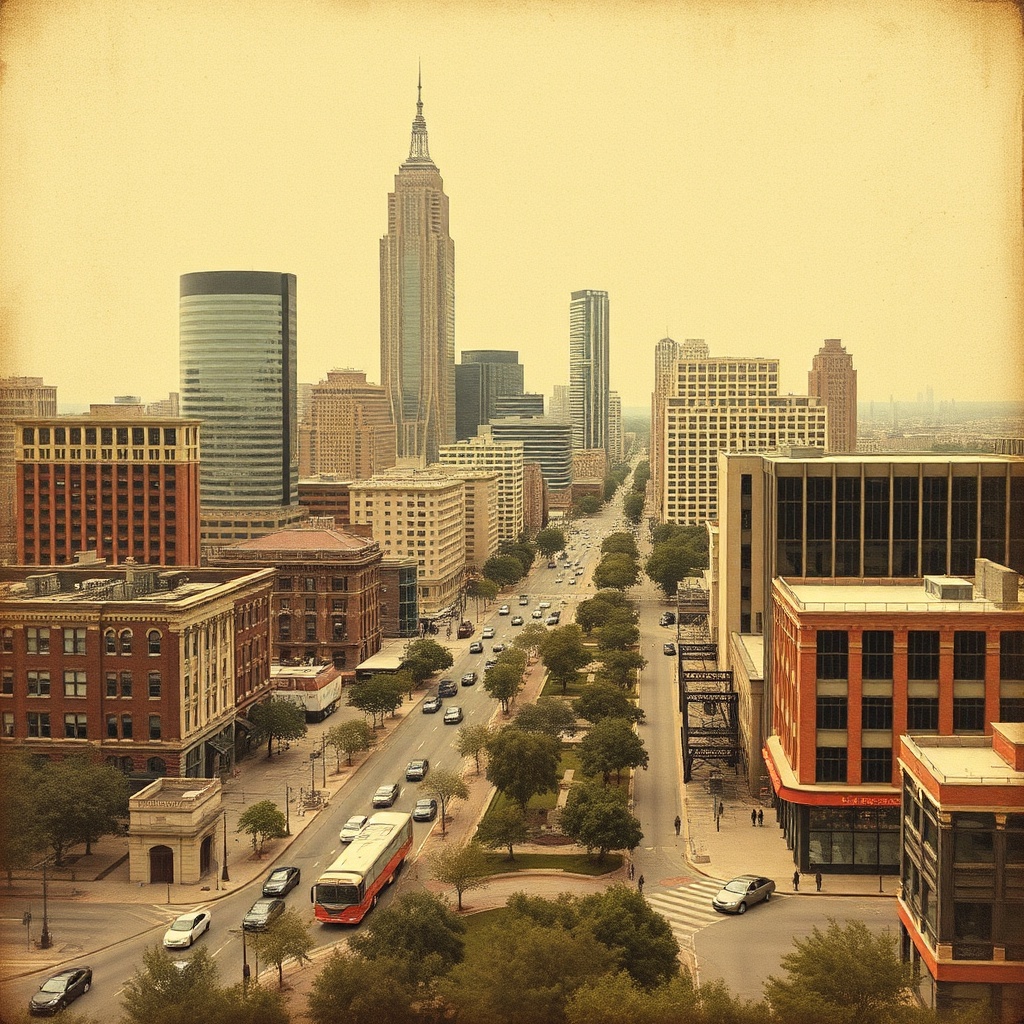
Whether seeking a peaceful paddle, a challenging bike route, or a family picnic spot, Houston’s bayous offer an evolving landscape where urban living and nature meet.
Explore a nearby trailhead, join a guided paddle, or simply take a morning walk along the water — the bayous are one of the city’s most accessible and rewarding outdoor assets.