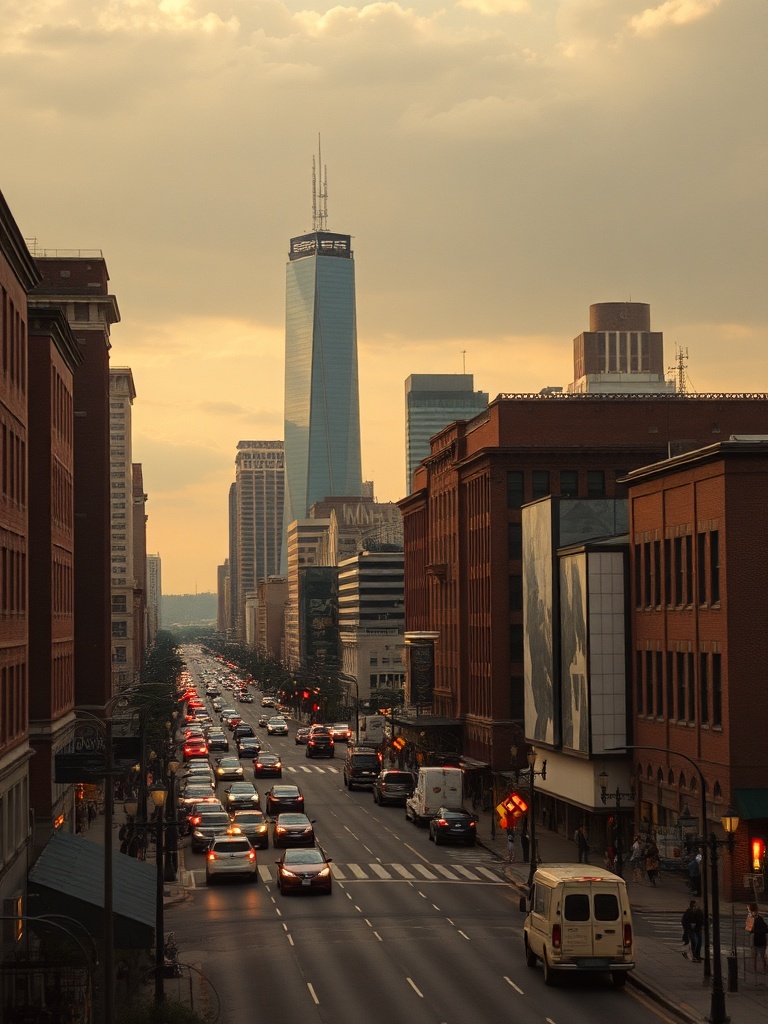
How Houston Is Reinventing Itself: Resilience, Energy, and Culture
Houston’s story is one of constant reinvention. A global energy hub and home to a world-class medical center, the city is also shaping new models for climate resilience, economic diversification, and cultural vitality. Whether you live here or are visiting, understanding what’s changing helps you navigate the opportunities and challenges ahead.
Building resilience into the landscape
Houston’s flat coastal geography and expanding development make flooding a recurring concern. Public agencies, nonprofit groups, and neighborhoods are investing in layered flood-management strategies that blend engineering with nature-based solutions.
Expect to see more green infrastructure—stormwater detention basins, restored wetlands, and expanded bayou trails—that slows runoff and absorbs storm surge while creating recreational spaces.
Buyouts and elevation projects continue to move forward in flood-prone neighborhoods, and many communities are prioritizing property-level resilience: elevating utilities, retrofitting HVAC systems, and using flood-resistant materials.
Homebuyers and renters should consult flood maps, verify insurance coverage, and consider simple upgrades like flood sensors and sump pumps.
Diversifying the economy: energy plus innovation
While energy remains central to the region’s identity, Houston’s economy is diversifying. The energy sector itself is evolving: traditional oil and gas companies are investing in low-carbon technologies, carbon management, and hydrogen projects alongside renewables. Meanwhile, the area’s strengths in health care, biomedical research, and aerospace continue to attract talent and investment, anchored by the world-class medical complex and proximity to the nation’s human spaceflight operations.
Startups and venture capital are growing hubs for innovation—accelerators, industry partnerships, and university research are fueling companies working on clean-tech, life sciences, and advanced manufacturing.
Transit, mobility, and neighborhood access
Transportation improvements aim to connect neighborhoods more effectively and reduce congestion. Investments in light rail expansion, bike and pedestrian infrastructure, and micro-mobility options are reshaping commutes and making more parts of the city walkable. For residents, balancing car ownership with multimodal options can reduce daily stress and improve air quality.
Culture and culinary diversity
Houston’s cultural scene is one of its biggest draws. The city’s restaurants showcase global cuisines, reflecting a richly diverse population. The Museum District, theaters, live music venues, and public art projects contribute to a vibrant urban fabric. Outdoor spaces—from waterfront trails to neighborhood parks—offer year-round opportunities for recreation.
Practical steps for residents and businesses
– Check flood-risk information before buying or renting; maintain proper flood insurance.
– Consider home resiliency upgrades: elevate utilities, seal foundations, and install backflow valves.
– Support local green-infrastructure initiatives and conservation groups that help protect bayous and wetlands.
– For businesses, incorporate continuity planning: data backups, supply-chain diversification, and emergency communication plans.
– Use public transportation and active mobility when possible to reduce commute costs and emissions.
Getting involved
Community engagement matters.
Local nonprofits, neighborhood associations, and civic initiatives shape how resilience and growth are implemented on the ground. Volunteering for habitat restoration, attending city planning meetings, or supporting local small businesses are hands-on ways to influence Houston’s future.
Houston’s transformation is ongoing: combining regional strengths with new investments in sustainability, health, and mobility helps the city manage immediate risks while positioning it for long-term prosperity. Whether you’re a resident, entrepreneur, or visitor, staying informed and engaged is the best way to benefit from and contribute to the city’s momentum.