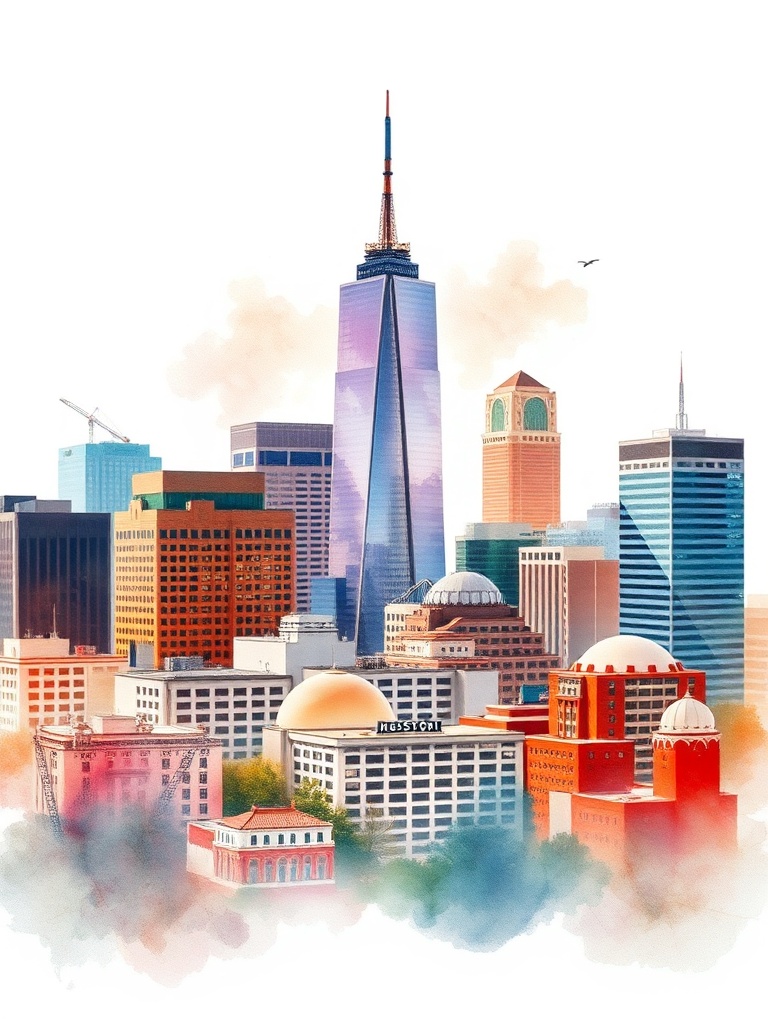
Houston is more than a sprawling metropolis — it’s a city reinventing itself while holding close to the things that made it iconic: energy, medicine, space exploration, and a big-hearted cultural mix. Whether you’re planning a visit or looking for the best neighborhoods to explore, here’s a concise guide to what makes Houston stand out and how to experience it like a local.
A hub of innovation and resilience
Houston’s economy remains diverse: traditional energy firms sit alongside a growing cluster of clean-energy startups, world-class medical institutions, and aerospace operations centered around the space center. That mix fuels job opportunities and drives investment in infrastructure and public-private partnerships focused on resilience — especially flood mitigation and green infrastructure along the bayous.
Parks, greenways and outdoor life
The city’s bayou network has become a major recreational asset. The Bayou Greenways and connected trails create long stretches for walking, running, and cycling, linking parks and neighborhoods across the city. Major urban parks offer year-round activity: trail systems, dog parks, golf courses, cultural events, and outdoor fitness classes make it easy to find space to breathe and move.
Food scene and cultural diversity
Houston’s culinary reputation is legendary, and for good reason. Expect high-quality diverse dining options: Tex-Mex and barbecue are complemented by authentic Vietnamese, Nigerian, Indian, Middle Eastern, and Central American eateries. Neighborhoods like Chinatown and the Mahatma Gandhi District are essential stops for adventurous eaters. For a casual outing, food halls and pop-up markets spotlight local chefs and small-business entrepreneurs.
Arts, music and neighborhoods
Museum District and its world-class institutions offer art, science and history within walkable proximity. Theater and live music thrive across diverse neighborhoods: from intimate venues showcasing local bands to larger theaters hosting national tours.
Each district has its own personality — from the historic homes of the Heights to the bustling energy of Montrose and the trendy developments in Midtown.
Getting around
Houston is car-friendly, but the transportation landscape is changing. Improved bike lanes, expanding trail networks, and microtransit options make short trips more practical without a car. Light-rail and bus networks connect key nodes, and ride-shares or e-scooters are widely available for last-mile travel. Plan routes ahead and allow extra time during peak traffic periods.
Practical tips for visitors and new residents
– Explore on foot where possible: many neighborhoods reward slow discovery with local shops, murals, and coffeehouses.
– Pack for changing weather: summer humidity, sudden storms, and strong sun are part of the local climate mix.
– Support local businesses: farmers markets, independent restaurants, and neighborhood boutiques are great ways to get an authentic sense of Houston.
– Check event calendars: outdoor festivals, sports games, and cultural events offer a lively way to engage with the community.
Why people stay
Houston’s affordability relative to other major metros, combined with its professional opportunities and cultural richness, makes it attractive for long-term residents. Efforts to enhance public spaces, invest in transit alternatives, and protect neighborhoods from flooding reflect a city striving to balance growth with livability.
Whether you’re drawn by career opportunities, the food scene, or outdoor life along the bayous, Houston offers a blend of big-city amenities and local flavor — a city that’s constantly shaping its next chapter while remaining deeply rooted in the communities that define it.